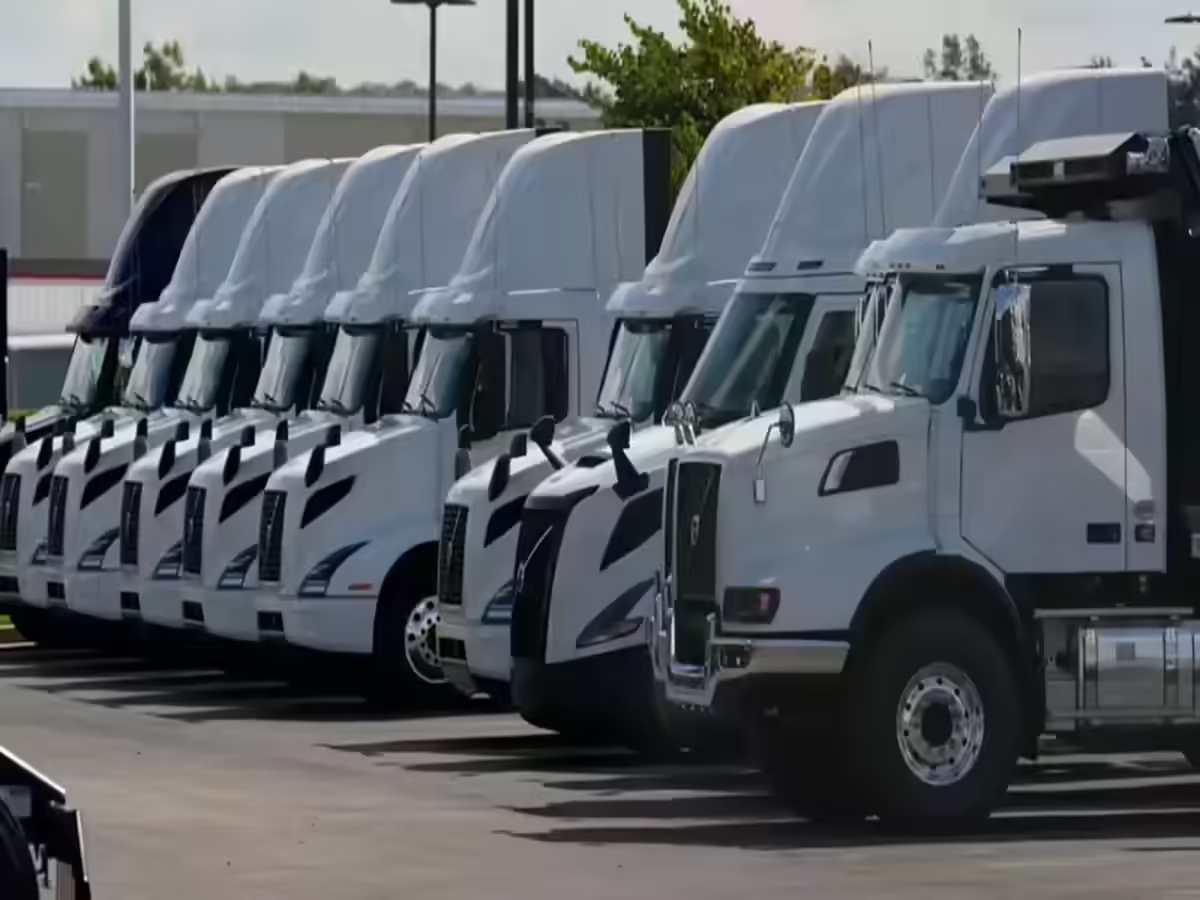
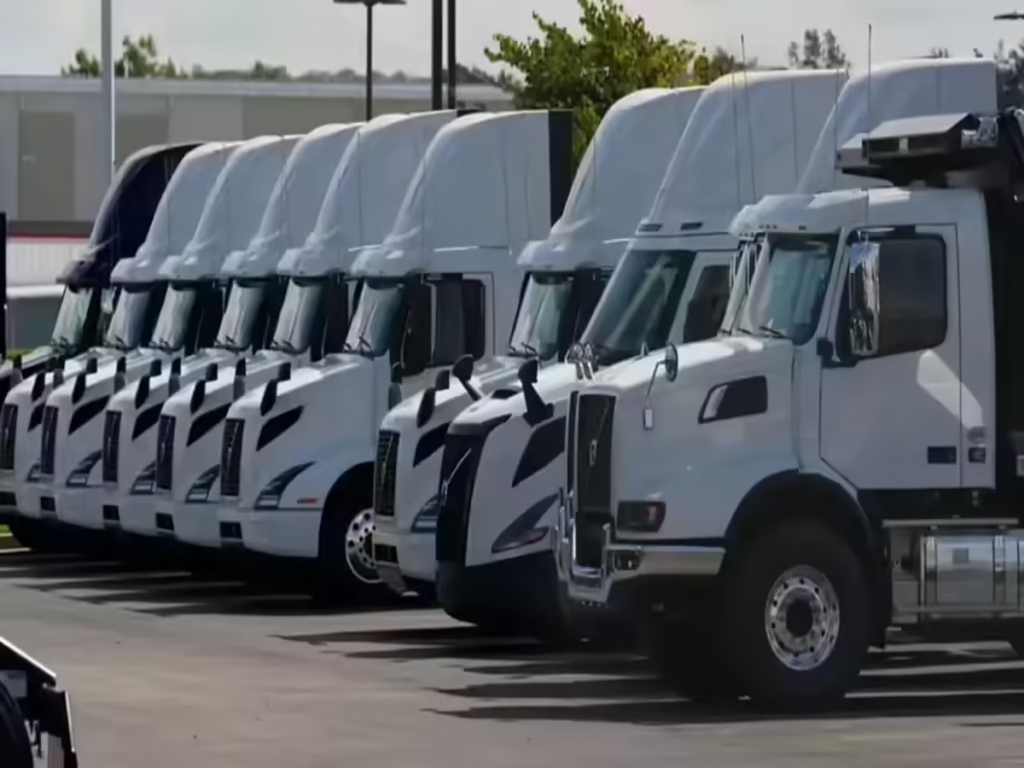
Expanding a commercial transport business in Australia requires serious investment, and sourcing the right heavy-duty work trucks is at the heart of that growth. When operations expand from local deliveries to interstate long-haul logistics, the vehicles you choose will dictate your efficiency, safety, and overall bottom line. Buying a heavy-duty prime mover is fundamentally different from purchasing a standard fleet car or light commercial van. It demands a deep understanding of legal weight limits, complex engineering specifications, and strategic financial planning. Fleet managers must juggle varying delivery lead times, custom chassis modifications, and strict compliance standards to ensure the asset actually meets the operational demands of the business. Expanding too quickly without the right vehicle sourcing strategy can result in purchasing prime movers that are underpowered for your cargo or overpowered and consequently inefficient. A calculated approach to fleet acquisition ensures a stronger return on investment.
Understanding Mass Regulations and Towing Capacities
The first and most critical step in sourcing a heavy-duty work truck is aligning the vehicle specifications with your intended freight load. It is vital to calculate the precise weight limits required by Australian road regulations before approaching any dealership or vehicle manufacturer. According to industry experts, when a truck is towing another vehicle or trailer, the Gross Combination Mass becomes a crucial factor. In fact, exceeding the Gross Combination Mass limits can compromise the safety and structural integrity of both the truck and the trailer, leading to severe legal penalties.
This metric is especially important when upgrading to high-productivity freight combinations. For instance, if your logistics route requires towing a double trailer to maximise payload efficiency across vast distances, the prime mover must be correctly rated by the manufacturer to handle that specific maximum weight. Failing to properly match the truck to the heavy trailer combination not only leads to dangerous safety hazards but also causes premature mechanical wear on the entire fleet. Additionally, understanding the empty tare weight of your equipment is essential, as every excess kilogram eats directly into your profitable payload capacity.
Key Specifications to Evaluate
Once the regulatory and mass requirements are clear, fleet managers must evaluate specific mechanical features to ensure the truck can handle the required workload. The harsh Australian climate and demanding regional road conditions mean that off-the-shelf solutions often require careful tailoring.
Consider these key factors when evaluating potential heavy-duty vehicles:
- Engine Torque and Power: While high horsepower is useful for flat highways, low-end torque is what actually moves heavy freight up steep gradients without over-stressing the drivetrain.
- Axle Configuration: Selecting the right drive layout, such as a 6×4 or 8×4 setup, ensures adequate traction and legal weight distribution across the axles.
- Transmission Type: Automated manual transmissions have become the commercial transport industry standard for reducing driver fatigue while optimising fuel consumption during long hauls.
- Telematics and Safety Tech: Modern heavy trucks should include advanced safety suites featuring adaptive cruise control, lane departure warnings, and autonomous emergency braking to protect the driver and the cargo.
- Cooling and Filtration Systems: Dust, heat, and unpredictable weather require upgraded engine cooling and heavy-duty air filtration to prevent mechanical failures during cross-country transport.
- Chassis and Suspension Design: Heavy-duty air suspension systems mitigate the vibrations transferred to the chassis, reducing structural stress and ensuring fragile cargo arrives safely.
- Cabin Ergonomics: Long-haul operators spend countless hours inside the truck. A cabin designed for comfort, visibility, and noise reduction directly impacts workplace safety and staff retention.
Navigating Dealership Negotiations and Acquisition
Sourcing a heavy commercial vehicle represents a massive capital outlay. The base sticker price of the prime mover is just the beginning, as you also need to factor in expensive customisations, comprehensive insurance, preventative maintenance packages, and commercial financing rates. Navigating these complexities independently can drain valuable time and resources from a growing business.
Because dealership negotiations for commercial fleets operate on entirely different profit margins and incentive structures than consumer vehicles, many businesses are turning to professional assistance. By engaging a dedicated corporate car buying service to manage the complex research, pricing negotiations, and trade-in valuations, business owners can secure much better lease terms and save substantial capital on their commercial fleet expansions. These professionals also use advanced tools to accurately forecast asset value and monitor how the initial investment will depreciate over its operational lifespan, ensuring business leaders can make smart capital decisions.
Maximising Your Fleet Investment Long-Term
Growing a logistics or transport fleet is a major milestone for any commercial enterprise. By understanding the strict regulatory mass limits, carefully matching technical truck specifications to your specific freight requirements, and employing smart financial sourcing strategies, you can build a highly resilient fleet. Investing time and expertise in the proper acquisition process ensures your heavy-duty trucks remain reliable, compliant, and highly profitable business assets for years to come. Ultimately, a strategic approach to commercial vehicle purchasing reduces long-term operational costs and allows business owners to focus on what they do best, which is delivering exceptional transport services to their clients.