Most German cars see brake pads wearing out between 30,000 and 70,000 miles. These high-performance machines use softer pad compounds for better stopping force. Your Audi or BMW may require service sooner than a standard domestic sedan because these vehicles prioritize grip over longevity.
Johns Creek is located in Fulton County, about 25 miles northeast of downtown Atlanta, and is part of the greater Atlanta metropolitan area. It has grown into one of Georgia’s most desirable residential communities. With daily commuter traffic, rolling hills, and long suburban drives, local roads frequently require repeated braking and acceleration.
These stop-and-go patterns, combined with Georgia’s hot and humid summers, create extra heat in the braking system, causing pads and rotors to wear out faster. For this reason, drivers often find themselves needing German auto brake repair in Johns Creek, GA sooner than expected, especially if they use their vehicles for daily commuting or short trips around town.
This article is a detailed breakdown of how long brake pads and rotors typically last in German cars and the key factors that affect their lifespan.
How Long Do Brake Pads and Rotors Last
Owners of European vehicles face unique maintenance cycles compared to domestic brands. Learning the lifespan of these parts helps you maintain the safety as well as the performance of your vehicle.
Estimated Brake Pad Longevity
Most German brake pads last 30,000 to 50,000 miles under typical suburban driving conditions. Higher-performance models, like the Porsche 911, might see pads wear down in 20,000 miles if you drive aggressively.
Soft friction materials provide that famous European feel but produce more dust as the pads disappear faster than you might expect. Most of these vehicles include electronic sensors that trigger a dashboard light when the friction material gets thin.
Typical Rotor Durability
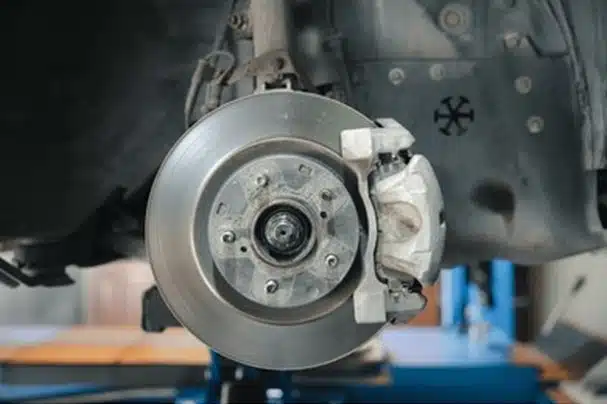
Rotors typically survive two sets of pads, lasting anywhere from 60,000 to 120,000 miles. You should check for thinning or warping whenever you swap out the pads to avoid safety issues.
The National Highway Traffic Safety Administration reports that brake-related problems contribute to about 2% of all vehicle crashes across the country. German manufacturers suggest replacing rotors instead of resurfacing them to maintain metal integrity.
Factors Affecting Component Life
Heavy vehicle weights in luxury SUVs like the Mercedes GLE put massive strain on the iron discs. Data from the Bureau of Transportation Statistics shows the average age of vehicles on American roads is rising.
Your environment shifts these timelines significantly, as salt on winter roads can lead to premature rotor pitting. Aggressive downhill driving can cook the pads and glaze the rotors in a single trip.
A Guide to Extending Your Brake System Life
You can squeeze more miles out of your hardware by adjusting how you interact with the pedal. Try these simple adjustments to your daily commute:
- Instead of braking late and hard at red lights, coast to a stop.
- Remove excess weight from your trunk to reduce the kinetic energy your brakes must dissipate.
- Keep your wheels clean of corrosive brake dust that can pit the metal over time.
- Downshift manually on long descents to use engine braking instead of riding the pedal.
Finding expert German auto brake repair in Johns Creek guarantees your rotors and pads get the attention they need for local driving conditions.
Final Thoughts
Staying ahead of wear patterns keeps your repair costs manageable and your driving experience smooth. It is time for a professional inspection if you hear squealing. Note that fixing small issues prevents expensive rotor damage.
Key Takeaways
- German car brake pads typically last 30,000–50,000 miles, while rotors often last 60,000–120,000 miles, depending on driving habits and vehicle type.
- Performance-focused European vehicles use softer brake materials, which improve stopping power but wear out faster than standard domestic cars.
- Johns Creek’s commuter traffic, rolling terrain, and hot, humid climate create extra braking heat, accelerating pad and rotor wear.
- Gentle braking habits, reducing vehicle weight, and scheduling regular professional inspections can significantly extend your brake system’s lifespan.