You’ve been scouring the internet for a couple of weeks now, trying to find the perfect vehicle.
You have CarGus, AutoTrader, Cars.com, Autolist, and even direct sale platforms like CarMax – all of these you have on your phone, and you have your search filters set up and ready on each one of them.
Finally, after almost three weeks, you’ve found it! It’s there -the perfect car. The window price works for you. And you’re basically picturing yourself behind the wheel – this is it.
But hold on a second, before you drive off into the sunset.
When you buy a vehicle, it’s like you adopted a pet. You pay the initial cost and then comes the food, vet visits, toys, and outfits if you’re really out there or you want your furbaby to be a ‘petfluencer’. Unless you already know this, you’ll have some seriously unpleasant surprises down the road.
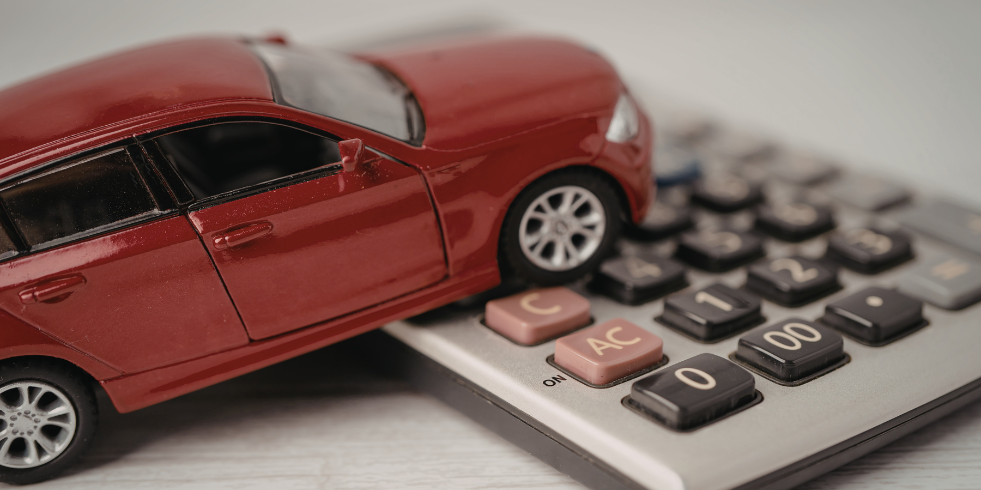
Let’s not let that happen. Today, we’ll talk about something way more important than the initial price – the TCO.
Total cost of ownership.
What You Pay Before You Get the Keys
The first chunk of money will leave your bank account before you even get the keys, so let’s talk about that for a minute. This is where that attractive list price you saw starts to… Well, grow.
First is the difference between the list price and the price you actually end up paying. Very few people pay the full amount, so with that in mind, you might want to negotiate with the seller a bit. You could also get them to lower the price if you have something to trade in.
There’s another side to this, which is the optional add-ons, and those hike the list price up.
Before you know it, that original number can change, so the list price is only the starting point.
Now let’s get into how you’ll pay for that vehicle.
A loan is the obvious choice, and this is a huge area where the real price gets hidden. A dealer could focus on the monthly payment and tell you it’s ‘only’ $400 (USD) a month. But that number isn’t the whole story because of a little thing called interest. If you don’t know what that is, it’s a fee that you pay for the privilege of borrowing money.
If you get a longer loan, your monthly payment will be lower, but the interest will be higher over time, so…
You win some, you lose some. The point is, always look at the total amount you’ll repay.
The taxman will also want his cut, don’t forget that one.
Sales tax, title fees, and registration can add up to a good amount, often thousands, on top of the price of the vehicle. And if you live in a state that requires a safety or emissions inspection to register it, that’s yet another immediate cost.
So in the end, you have the negotiated price plus interest on the loan plus fees.
Ongoing Costs
You’re finally behind the wheel of your new car, truck, whatever, and now your vehicle needs attention.
All. The. Time. For as long as you have it.
There’s stuff you plan for and stuff you don’t, and the thing they have in common is that you have to pay for both.
The planned stuff is just regular maintenance, like oil changes, new tires, brake pads, that kind of thing. But this is all something you can see coming, so you have the time to save money for it. Then there are repairs, which mean those unexpected sounds that weird you out and warning lights flashing all over the place.
Basically, the older the vehicle is, the more of these ‘extra’ expenses you can expect.
Yeah, we know – super fun.
Another thing that will affect the ‘extra’ expense intervals will be where (and how) you drive. So if you’re mostly cruising on a highway/interstate, the engine will have a much easier life, meaning there’s less chance for anything to go wrong. Constant stop-and-go driving (e.g., in the city, especially if it’s a big city) will wear the car out faster.
Road conditions are important too. If you’re hitting lots of potholes, or those water drainage systems on the side of the road aren’t great. Super short trips where the engine didn’t even have a chance to get to operating temperature will add additional wear. There are lots of these little things that will accumulate.
Let’s take a work truck as an example:
Think about the wear on truck beds in Birdsboro, PA. Thanks to winter salt, it’s a never-ending battle with rust. Now compare that to a truck in Grand Rapids, MI, where the snow and ice are even heavier, or one in Springfield, MO, that deals with a lot less road salt and much milder winters.
You don’t really think about it, but the zip code is absolutely a factor in the TCO.
Conclusion
Crunching numbers, are you? Good, that’s smart thinking.
If you’re taking a big step like buying a new vehicle, it only makes sense to get familiar with the full picture because who wants to be surprised in terms of expenses?
All in all, make sure your wallet’s happy and make sure everything you have to pay extra on top of the listed price. If you’re happy with it all – go for it!