



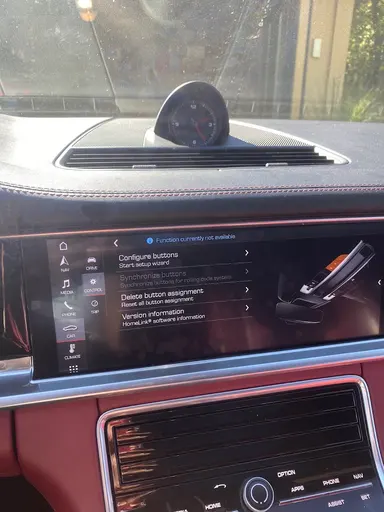






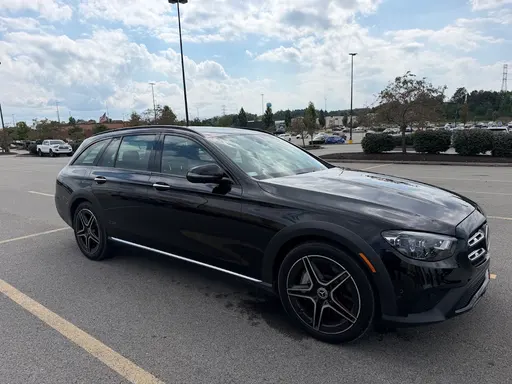
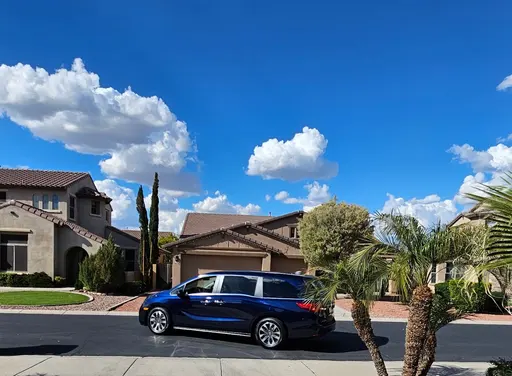
The average car on American roads is now 12.8 years old, the oldest fleet S&P Global Mobility has ever recorded. Drivers are keeping their cars longer, and many are spending on upgrades instead of taking on a new monthly payment. The upgrade with the biggest day-to-day payoff is the screen: an Android head unit adds wireless Apple CarPlay, Android Auto, navigation, and a backup camera feed to a car that shipped with none of it.
Here is the catch. The aftermarket head unit market punishes casual shoppers the way a bad dealership punishes someone who never looked up the invoice price. The fix is the same discipline professional car buyers use: verify everything, take nothing on the listing at face value, and know what a fair deal includes before you pay.
A market full of clones wearing different badges
Most low-end Android head units are not designed by the brand on the box. A small number of factories build generic hardware, and dozens of storefronts rebadge it, write their own spec sheets, and rename themselves when the reviews turn ugly.
The spec sheet is where shoppers get burned. Reported RAM, processor model, and even the Android version can be set in software, so a listing can claim numbers the hardware cannot deliver. Teardowns of low-end units keep finding less memory than advertised and older Android builds dressed up as new ones. The unit boots, looks modern for a few weeks, then the lag, freezes, and Bluetooth dropouts start, usually after the return window closes.
Fit is not compatibility: Avoiding the cheap Android head unit lag
A unit that slides into your dash has achieved fit. Compatibility is a higher bar: the screen also has to speak your car’s language on the CAN bus, the internal network that carries steering wheel buttons, amplifier signals, camera feeds, and warning chimes. A universal unit that ignores it can cost you steering wheel controls, factory sound quality, and parking sensors, and in some cars it keeps the electronics awake overnight and drains the battery.
So the first question to settle is whether a unit was built for your exact car. Year, model, trim, and factory audio package all change the answer.
Check the listing the way a pro checks a car
| The listing says | How to verify it |
|---|---|
| “Fits your make and model” | Get the seller to confirm your exact year, trim, and factory audio setup in writing before you pay. |
| “8GB RAM, latest Android” | After delivery, run a free hardware info app and compare. If the numbers do not match, return it inside the window. |
| “Steering wheel controls supported” | Confirm the package includes a harness and CAN decoder made for your vehicle, not a universal adapter. |
| “Warranty included” | Read the actual terms and test the support channel with a pre-sale question. A warranty nobody answers is a sticker. |
What a fair deal actually includes
A vehicle-specific system from a specialist brand costs more than a marketplace listing, and the difference is exactly the stuff that goes wrong on generic units. The hardware is matched to your car, so everything connects to the factory wiring with the included harness. Specialists like Car Tech Studio, which sells wireless CarPlay head units verified per vehicle, guarantee compatibility rather than fit: steering wheel controls, camera, and factory audio are expected to work, and head units carry a two-year warranty.
If something misbehaves, support works the problem with you first, and only if the unit still cannot be made to work do they refund in full and cover return shipping. Compare that with a marketplace seller whose entire support plan is a countdown timer.
One more option worth pricing: if your factory screen is large and well integrated, a CarPlay and Android Auto module adds both to the original screen and leaves the factory system in place. It is the lower-risk route for newer cars.
Frequently asked questions
Should I upgrade my current car or put the money toward a newer one?
If the car is mechanically sound, the upgrade wins on cost by a wide margin. A head unit runs a few hundred dollars, while stepping into a newer used car costs thousands and mostly buys you the same screen features you could have added.
What should a fair price include?
A harness built for your vehicle, written confirmation that your steering wheel controls and camera will work, a real warranty, and a support team that answers before the sale. If any of those is missing, the low price is not a discount, it is the cost of the gamble.
Can I add CarPlay without replacing my factory stereo?
Yes. For many vehicles a module adds wireless CarPlay and Android Auto to the factory screen, keeping the original electronics untouched. It is the right call when the built-in screen is good and only the software is dated.
Bottom line
Treat a head unit purchase like a car deal. Verify the seller, verify the specs, and verify compatibility for your exact vehicle in writing before money moves. This market is risky for people who shop by price and screenshots. It is safe for people who check.