
















When you’re ready to trade in your car, you want to get the best price possible. It might seem complicated, but it doesn’t have to be. Buyers and dealership appraisers look for specific things that show how well a car has been kept up.
Knowing what they prioritize helps you get your car ready so you can get the most for your trade-in.
First Impressions Matter
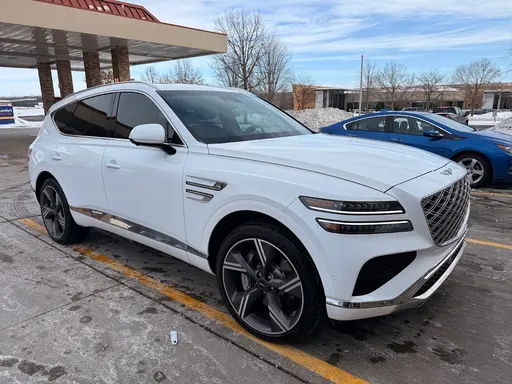
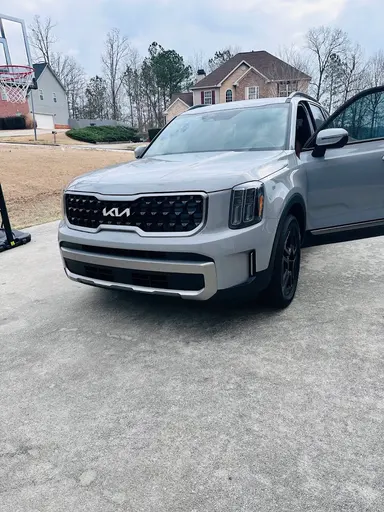
How your car looks at first glance really sets the tone for the whole appraisal. A clean, shiny car that’s well-presented immediately suggests it’s been taken care of. It’s like how real estate agents talk about the art of first impressions when selling a house.
A little effort to make it look good from the start can create a positive impression even before the appraiser turns on the engine. Just as you’d want to boost your home’s first impression to attract buyers, a sparkling car does the same. This isn’t about hiding problems; it’s about showing you took pride in your car from the moment someone sees it.
Interior and Exterior Refresh
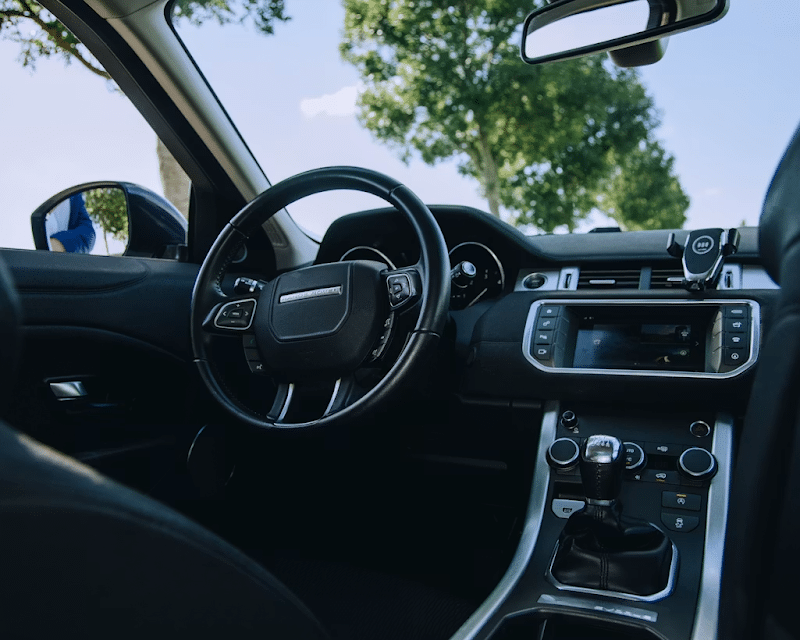
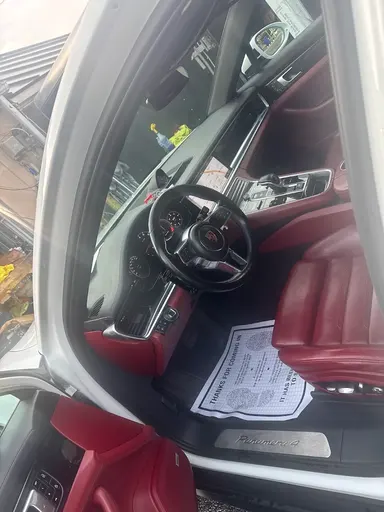
Cleaning your car thoroughly is the cheapest way to make it seem more valuable. Start by taking out all your personal stuff and any trash from inside. Vacuum the carpets, seats, and trunk, then wipe down all surfaces like the dashboard, door panels, and center console.
For the outside, a good wash and wax can make the paint really shine and look deeper. Pay attention to the small things buyers notice. Cracked light covers, really faded trim, or a broken side mirror can make the whole car look worse. Spending a little on affordable replacementcar parts and accessories can really improve its appearance and show you’ve fixed visible issues.
Mechanical Health Check
You don’t need to do a complete overhaul, but making sure the basics work is super important. An appraiser will almost certainly check the fluid levels, so top off the oil, coolant, and windshield washer fluid. Make sure all your lights work, from headlights to turn signals and brake lights.
Inflate the tires to the right pressure, which shows you’ve kept up with basic maintenance. Most importantly, if any warning lights are on, get them checked out. A check engine light is a big red flag that can seriously lower your trade-in offer because it points to an unknown, possibly expensive, problem.
Addressing Wear and Tear
Every used car has some wear, but fixing small cosmetic issues can make a big difference. Little dings and scratches are common, and many can be minimized with a simple touch-up paint pen.
If you have small, easy-to-reach dents, a paintless dent repair service can often be worth the cost. Inside the car, look for small tears or stains in the seats that can be easily fixed or cleaned. The goal isn’t to make the car look brand new, but to reduce the number of visible flaws an appraiser might use to offer you less money.
Documentation and Service History
Having a full set of service records is one of your strongest assets. A folder with receipts for regular oil changes, tire rotations, brake service, and other scheduled maintenance proves you were a responsible owner.
This paperwork builds trust and makes the buyer feel less risky. It shows that the car was properly cared for, not just cleaned up for a sale. If you’ve always taken your car to the same shop, they can often print out a complete history for you. Giving this file to the appraiser shows you’re transparent and confident in your car’s condition.
A little preparation goes a long way. By focusing on what buyers care about most, like a clean look, proof of regular maintenance, and working parts, you make sure you’re not missing out on money.
Be Honest About the Car’s Condition
It can be tempting to avoid mentioning small issues, but honesty usually works better during a trade-in appraisal. Dealerships and buyers are trained to spot problems, and if they find something unexpected, it can make them more cautious about the whole car. Being upfront about known issues shows that you are realistic and prepared.
This does not mean pointing out every tiny scratch before anyone asks. It simply means having a clear understanding of the car’s condition and being ready to explain any major repairs, warning lights, accident history, or recent work. If a problem has already been fixed, your receipts or service records can help prove it.
Being honest also helps you avoid wasting time. You can have a more direct conversation about the car’s value and negotiate from a stronger position because you already know what buyers are likely to notice. A clean, well-documented, and honestly presented car is much easier to appraise with confidence.