
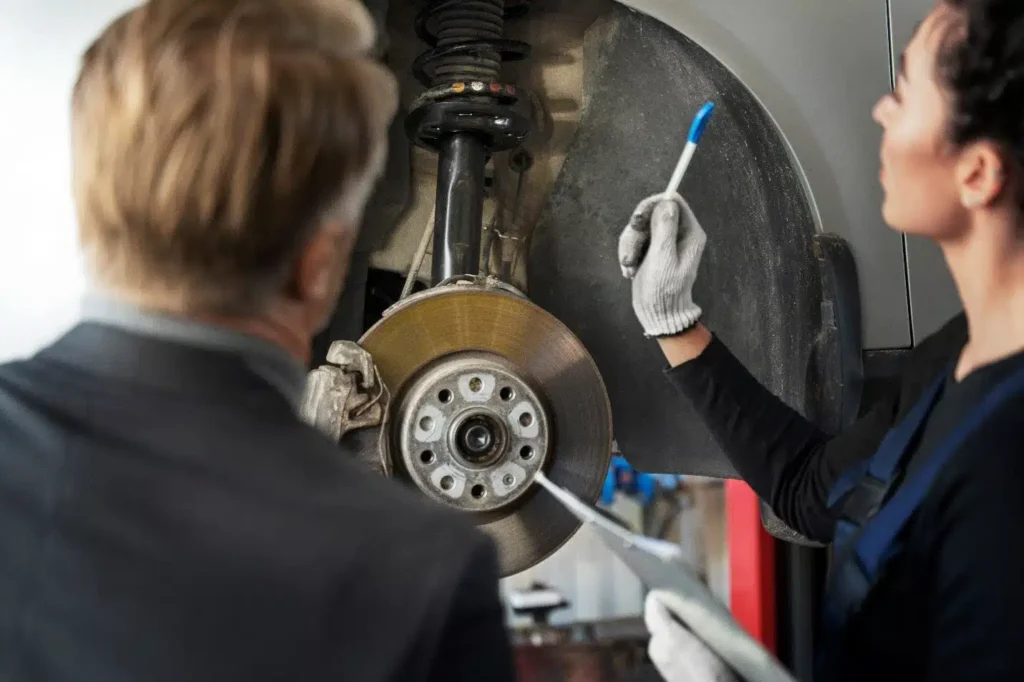
Johns Creek, Georgia, is a growing suburban city known for its residential neighborhoods and busy commuter roads. Many residents rely on personal vehicles for daily travel between home, work, and nearby highways. German vehicles are especially popular here for their performance, luxury, and reliability.
For local German car owners, understanding the brake system is essential for safe driving. The four brake system parts every German car owner should prioritize are brake pads, rotors, calipers, and brake fluid, as each directly impacts stopping power and safety. Because these vehicles are engineered for precision, knowing how these components work together helps prevent costly damage
Since German braking systems operate under strict engineering standards, expert service is important. Choosing professional Johns Creek BMW brake repair ensures the car receives proper diagnostics and accurate repairs based on manufacturer specifications. With specialized care, drivers can maintain performance and confidently handle daily traffic conditions.
1. Brake Pads: The Primary Wear Component
Brake pads slow or stop the car by creating friction against the rotors. High-performance pads made for heat resistance and a powerful initial bite are commonly found on German automobiles. Brake pads need to be inspected frequently because they wear down more quickly than other brake parts. Squealing sounds, decreased stopping response, or dashboard brake alerts are examples of warning indicators.
2. Brake Rotors: Heat Control and Stability
Heat produced during braking is absorbed and dispersed by brake rotors. In order to control higher temperatures and lessen brake fade, many German cars have drilled or vented rotors. When braking, warped or worn rotors may vibrate, shake, or pulse. Longer stopping distances and uneven pad wear can result from ignoring rotor problems. Addressing rotor issues early is a key part of effective BMW brake repair and helps prevent damage to other brake components.
3. Brake Calipers: Precision Pressure Application
Brake calipers hold the brake pads and apply pressure to the rotors when the brake pedal is pressed. German calipers are engineered for even pressure distribution and consistent braking feel. A sticking or leaking caliper can cause uneven braking, pulling to one side, or premature pad wear. These issues should be addressed quickly to prevent further system damage.
4. Brake Fluid: Hydraulic Power Transfer
Brake fluid transfers force from the brake pedal to the calipers. German manufacturers require specific brake fluids with high boiling points to maintain braking efficiency. Old or contaminated brake fluid can cause a soft pedal and delayed braking response. Most German vehicles require brake fluid replacement every two years, regardless of mileage.
How These Brake Components Work Together
The proper operation of each brake component depends on the others. Degraded fluid can lower caliper pressure, worn pads can harm rotors, and caliper failure can jeopardize the system as a whole. Because German cars are precisely engineered, preventive maintenance for both the brake system and engine is especially important. Staying proactive with service helps protect overall performance, safety, and long-term reliability.
Key Takeaways
- Brake pads wear quickly and need frequent checks
- Brake rotors manage heat and ensure smooth stopping
- Brake calipers control braking balance and pressure
- Brake fluid quality directly affects stopping response
- German brake systems require precise maintenance
- Local driving conditions can accelerate brake wear