

If you’ve been searching for cheap auto insurance that doesn’t require a massive upfront payment, you’ve probably stumbled across Hugo. The company has exploded in popularity since its 2020 launch, racking up over 31,000 Trustpilot reviews with a ~4.8/5 average rating. That’s impressive for any insurance company, let alone a digital newcomer. Hugo stands out for its convenient, user-friendly digital process, offering instant coverage and a simple sign-up experience.
Hugo Insurance offers an on-demand auto insurance model, allowing customers to activate coverage only when needed and turn it off when not driving.
But here’s what most reviews won’t tell you: Hugo’s model has changed significantly, and what worked in 2023 might not be your best option today. This Hugo insurance review will unpack everything for you.
Quick Verdict on Hugo (and When OCHO Can Be a Better Fit)
Hugo Insurance is legitimate and can be a life saver for the right driver. If you rarely use your car, own an older paid-off vehicle, and only need state-minimum liability coverage, Hugo’s micropayment model might save you money compared to traditional monthly plans. This approach is especially helpful for saving money if you’re a budget-conscious driver looking to minimize upfront costs and only pay for the coverage you use.
However, Hugo comes with real limitations. The company operates in roughly 15 states, offers primarily liability-only coverage options in most states, provides no roadside assistance or rideshare endorsements, and discontinued their popular Flex plan as of March 2025. Most critically, if your account balance depletes and auto reload fails, you can face rapid coverage gaps that trigger DMV notifications and registration issues. Hugo is best suited for drivers who only require the minimum legally needed insurance and want flexible, on-demand coverage.
For drivers who need ongoing coverage without the stress of managing payment toggles, OCHO offers a different approach. We provide $0 or very low down payment options, split payments aligned with your paychecks, no late fees, instant proof of insurance, and the potential to build credit through on-time payments. No turning coverage on and off—just continuous protection with flexible payments.
Quick Comparison:
- Down payment: Hugo requires low or micropayments, while OCHO offers $0 or reduced down payment options.
- Coverage type: Hugo primarily provides liability coverage; OCHO offers full coverage options.
- Payment flexibility: Hugo uses auto reload every 3 or more days; OCHO provides weekly, biweekly, or semi-monthly payment plans.
- Coverage gaps risk: Hugo has a higher risk of coverage gaps due to balance depletion; OCHO maintains lower risk with continuous coverage.
- Credit building: Hugo does not offer credit building; OCHO allows customers to build credit through on-time payments.
Hugo customers appreciate the micropayment options and instant proof of insurance, which make it easy to get covered quickly and pay only for the days they need.
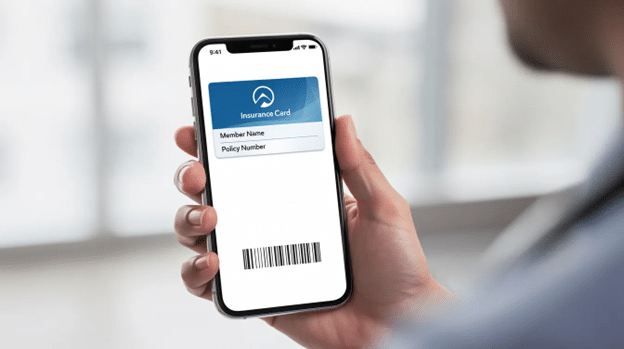
What Is Hugo Insurance? (Company Background & How It Works)
Hugo launched in 2020, initially serving drivers in Illinois before expanding to approximately 15 states by 2026. Unlike traditional insurance companies, Hugo operates as a broker and managing general agent (MGA)—meaning they don’t actually underwrite policies themselves.
Here’s how the Hugo website model works:
- Broker structure: Hugo partners with underwriters like Aspire General Insurance and First Acceptance to issue policies
- Digital-only service: No local agents, physical offices, or paper cards—everything happens online
- Micropayment focus: Instead of big monthly bills, you fund a small balance that reloads automatically
- Instant coverage: Most customers get proof of insurance in under 6 minutes
- State-minimum liability: Primary focus on meeting legally required coverage, not comprehensive protection
Hugo holds partnerships with carriers that have their own ratings (Aspire B+ A.M. Best, First Acceptance A+ BBB), but Hugo itself doesn’t carry an A.M. Best rating since it’s not the actual insurer.
Hugo Auto Insurance Plans and Coverage Options
Understanding what Hugo actually offers requires cutting through some marketing confusion. The hugo policy lineup includes different coverage options and eligibility requirements, designed to fit various driver needs. Hugo Insurance offers three policy options: Flex, Unlimited Basic, and Unlimited Full.
Today, most customers in most states can only access liability-focused products. If you’re expecting to get full coverage with comprehensive, collision, and all the extras through Hugo, you’ll likely be disappointed unless you’re in a very specific market.
Unlimited Basic Plan
What’s included:
- Bodily injury liability
- Property damage liability
- Limited medical payments or accidental death coverage (state-dependent)
What’s NOT included:
- Damage to your own vehicle
- Rental reimbursement
- Roadside assistance
- Towing coverage
This plan works for drivers who operate regularly but want budget-friendly billing options. It’s not for anyone with a financed or leased car—your lender won’t accept liability-only coverage.
Unlimited Full Plan (and Why It May Not Be Available)
Hugo has marketed an “Unlimited Full” option bundling liability, comprehensive, collision, medical, and rental benefits. Sounds great on paper.
Reality check: as of 2026, this plan has extremely limited availability. In many states, you simply cannot purchase it. Even where it exists, it’s typically more stripped-down than traditional full coverage from other car insurance companies—no rideshare endorsements, limited add-ons.
Before assuming Hugo can protect a financed vehicle, verify live availability for your ZIP code. Don’t trust old advertisements.
What Happened to Hugo’s Flex Plan?
The Flex plan was Hugo’s original claim to fame—true pay-as-you-go where you could buy coverage in blocks of 3, 7, 14, or 30 days and toggle protection on or off at your own pace.
Here’s why it’s gone:
- DMV complications: Short lapses (even 3 days inactive) triggered Hugo notifying state DMV systems, causing registration suspension letters for a few people
- Premium consequences: Coverage gaps meant higher rates when shopping with other insurance companies later
- SR-22 requirements: Some drivers ended up needing SR-22 filings they wouldn’t have otherwise required
- Regulatory pressure: States increasingly expect continuous coverage, making on/off models problematic
Hugo discontinued new Flex sales as of March 2025, migrating existing users to Unlimited Basic. The lesson? Insurance that’s too flexible can backfire badly for most drivers.
How Hugo’s Pay-as-You-Go and Micropayments Actually Work
Hugo’s current model isn’t literally “pay per day” anymore—it’s more like short-cycle billing on an ongoing liability policy.
Here’s the typical flow:
- Get a quote online (SSN usually optional)
- Select billing frequency: every 3 days, weekly, biweekly, monthly, or semi-annually
- Load a starting balance (minimum covers the next three days)
- Receive instant proof of insurance via text/website
- Balance auto-reloads based on your selected frequency
The convenience is real. No waiting weeks for policy documents. No massive down payment demanded upfront. No hidden fees buried in fine print.
But there’s a catch: if your payment method fails and auto reload doesn’t go through, coverage can lapse within days. That’s when problems start.
Payment Flexibility vs. Coverage Continuity
Many Hugo customers love making small, frequent payments instead of one big monthly bill. What they sometimes underestimate is how quickly things can go wrong.
What happens with lapses:
- Your state DMV may receive notification of coverage termination
- Registration suspension letters can arrive surprisingly fast
- Future insurance quotes may significantly increase
- Some states require SR-22 filings after gaps
- Your driving record shows the lapse to every future insurer
- Policy results can be negatively impacted by lapses, leading to higher future costs and limited coverage options.
- Lapses or toggling coverage can cause your policy to re rate, which may result in increased premiums when you restart or adjust your insurance.
At OCHO, we take a different approach. We spread your down payment and premium across the term so you maintain continuous coverage while still paying in small, predictable installments. You get the affordable payment structure without the risky on/off toggling.
If you drive most days, the question isn’t “do I want flexible payments?” It’s “do I want flexible payments WITH or WITHOUT coverage gaps?”
Where Is Hugo Available? (State Availability and Limitations)
Hugo remains a niche provider. Starting in Illinois in 2020, they’ve expanded to roughly 15 states by 2026—but availability changes and requires verification.
Common eligibility restrictions:
- Annual mileage under 36,000 miles
- Personal use only (no Uber, Lyft, delivery gigs)
- No SR-22 filing support
- Vehicle age and type limitations
Always confirm current availability on Hugo’s website using your specific ZIP code. Blog posts from 2023 won’t reflect today’s reality.
OCHO works with multiple partner insurers across various U.S. states, helping drivers with imperfect credit find carriers willing to write policies—then financing the upfront cost so you’re not stuck waiting with no coverage.
Who Hugo Is (and Isn’t) a Good Fit For
Hugo works well for:
- Low-mileage drivers (weekend car, rarely commute)
- Owners of older, paid-off vehicles
- People comfortable with digital-only service
- Drivers who only need state-minimum liability
- Those who can actively manage account balance
- We recommend Hugo for drivers seeking affordable, flexible, and short-term or micropayment options, especially if you need quick liability coverage or have specific budget constraints.
Hugo Insurance’s focus on micropayments can be especially beneficial for drivers who do not drive frequently, unlike traditional insurers that typically require larger upfront payments.
Think twice if you:
- Commute daily or drive for work
- Finance or lease your vehicle (full coverage required)
- Do rideshare or delivery driving
- Have prior lapses or need SR-22
- Want roadside assistance included
- Prefer phone support over website-only service

Hugo Customer Experience, Reviews, and Support
Hugo’s Trustpilot presence is genuinely impressive: 31,000+ reviews averaging ~4.8/5 with roughly 89% five-star ratings. That’s rare for any insurance company.
What customers praise:
- No big down payment required
- Getting proof of insurance within minutes
- The feeling of paying only for what you need
- Easy online management
Common complaints:
- Long-term cost higher than expected (one user reported rates climbing from $104 to $256/month over 29 months despite a clean record)
- Policies flagged as inactive by DMVs after short gaps
- Rate creep every few months
- Limited customer service channels
Hugo responds to about 97% of negative reviews within 24 hours, which shows they manage their reputation actively.
Real-World Feedback Themes (From Trustpilot and Forums)
Across reviews, a few patterns emerge:
- “Great for starting coverage fast” appears constantly
- “Love the small payments” from budget-conscious drivers
- “Confusing when coverage paused” from those who didn’t understand balance mechanics
- “Price didn’t stay rate constant” from longer-term users
Reddit and forum users have warned about DMV issues arising after brief lapses—sometimes just a few extra days without payment triggered registration problems.
The verdict? Hugo is legitimate and helps many customers, but the unique structure demands you fully understand how payments and coverage status interact before committing.
Claims and Support: Who You Actually Deal With
Here’s something that confuses many Hugo customers: when you file a claim, you’re not dealing with Hugo at all.
Claims go directly to underwriting partners like First Acceptance or Aspire General. That means:
- Calling the carrier’s claims phone number during business hours
- Emailing the carrier, not Hugo
- All claim decisions, payouts, and timelines controlled by the carrier
- Hugo provides your policy documents and proof, but can’t influence claims
Save both your Hugo account login AND your carrier’s claims contact as soon as you bind coverage. You’ll need both.
Canceling Your Hugo Insurance: How Easy Is It to Leave?
Thinking about ditching your Hugo insurance policy? Here’s the deal – they’ve made it super user-friendly and you can knock it out directly through your online account or just hit up Hugo’s support team. This digital-first approach means no more waiting on hold like some kind of medieval torture! No mailing paperwork either – just a few clicks and boom, your plan is history.
But hold up! Before you make that move, you absolutely need to understand what’s coming your way. Canceling your Hugo policy is going to leave you with a lapse in coverage unless you’ve got another policy ready to roll. Hugo’s going to notify the state DMV about this lapse – that’s just how the game works. And trust us, this can trigger some serious headaches like registration suspension or even sky-high premiums when you’re shopping around with other insurance companies later. Some insurers? They might straight-up deny coverage if they spot a recent gap in your history!
Want to avoid these nightmare scenarios? Here’s what the smart people do: always, always secure a new insurance policy before you cancel your current one. This keeps your continuous coverage intact and shields you from unexpected costs or legal disasters. If you’re mainly worried about the cost of your current plan, why not try adjusting your coverage levels or exploring different payment options within your Hugo account first? Sometimes, switching to a different plan or tweaking your liability coverage can help you save serious money without risking that dangerous lapse.
Bottom line? While canceling Hugo insurance is straightforward enough, the real secret sauce is planning ahead and protecting yourself from the ripple effects that a coverage gap can unleash on your life. Don’t let a simple cancellation turn into your worst financial nightmare!
Hugo’s Financial Strength and Stability: Should You Worry?
When you’re picking car insurance, here’s what the Old Timers will tell you: check the financial strength of whoever’s covering you. But let’s get real about Hugo for a second—they’re not like these crusty traditional insurers. Hugo operates as a broker and managing general agent, which means they’re not stuck in the old-school underwriting game. Instead, they’ve teamed up with companies like First Acceptance and Aspire General Insurance Company to shake things up.
These partner carriers? They’ve got a B+ (Good) rating from A.M. Best—yeah, that’s the industry watchdog everyone talks about. Look, this rating tells you these companies can actually pay out when you need them to, which is pretty essential if you ask us. Sure, Hugo doesn’t have its own A.M. Best rating, but here’s the thing—they’re not playing by the same broken rules as everyone else. Their ability to get you covered and pay claims depends on these solid partners they’ve chosen.
You want some real advice that nobody else is giving you? Do your homework on any insurance company’s financial ratings and reputation—we’re talking serious security verification here. Whether you’re after liability coverage or going full coverage, knowing your insurer won’t leave you hanging when disaster strikes is absolutely crucial. Don’t let anyone tell you otherwise.
Hugo’s got this innovative approach to car insurance that’s got flexible coverage and instant proof of insurance—pretty appealing if you’re tired of the same old insurance runaround. But here’s what we’re telling you: weigh that convenience and affordability against financial stability because that’s what really matters when the chips are down. Do your due diligence, make sure your insurance company’s got the security to back you up, and then you can confidently pick a policy that’ll actually be there when everything goes sideways.
Hugo vs. OCHO: Flexible Car Insurance Payments Without Risky Gaps
Both Hugo and OCHO solve the same core problem: insurance is too expensive upfront for many drivers.
Hugo’s solution was micropayments and, historically, on/off coverage. It worked for some, but created DMV headaches for others.
OCHO tackles affordability differently. As a digital auto insurance agency and broker, we help you compare real-time quotes from multiple carriers, then finance the down payment so you can split costs across your policy term—without toggling coverage off.
OCHO benefits:
- $0 or very low down payment for qualifying drivers
- Interest-free financing of upfront fees
- Payments aligned with paychecks (weekly, biweekly, semi-monthly)
- No late fees
- Instant proof of insurance
- Potential to build credit with on-time payments
- Continuous coverage—no gaps to trigger DMV issues
If Hugo represents “pay only when you drive,” OCHO represents “pay affordably while always being covered.”
When OCHO May Be the Better Choice
Consider OCHO if you:
- Drive daily and can’t risk coverage lapses
- Have a financed vehicle requiring full coverage
- Want to compare quotes from multiple carriers, not just one liability product
- Have been burned by previous lapses affecting your rates
- Need flexible payment options without the complexity of managing balances
- Want insurance affordable enough to maintain the 201 days of continuous coverage that moves you from “high-risk” to “preferred” status
Simple decision rule: if you drive most days and don’t want to think about turning insurance on and off, OCHO’s model fits better than Hugo’s.
Is Hugo Insurance Worth It? Final Thoughts and How to Shop Smarter
Hugo pros:
- Very fast binding and instant coverage proof
- Small, frequent payments feel manageable
- Strong online reviews from budget-conscious users
- Legitimate broker with rated underwriting partners
Hugo cons:
- Limited to ~15 states with liability-focused options
- No rideshare, roadside assistance, or full coverage in most markets
- Real risk of DMV trouble if payments lapse
- Long-term cost can exceed traditional policies for regular drivers
Hugo can be worth considering if you truly drive sparingly, own an older paid-off car, and can actively manage your coverage and payments at your own pace.
For most drivers—especially those who commute daily, have car loans, or need their vehicle for work—prioritizing continuous coverage with flexible financing through alternatives like OCHO makes more sense.
Before you commit anywhere:
- Get multiple quotes (not just one company)
- Compare total six- or twelve-month cost, not just the first payment
- Check coverage details line-by-line
- Understand what happens if a payment fails
- Pick the option balancing affordability, protection, and your appetite for managing complexity
Ready to see what continuous coverage with split payments looks like? Check what OCHO can offer for your situation.