








In this article
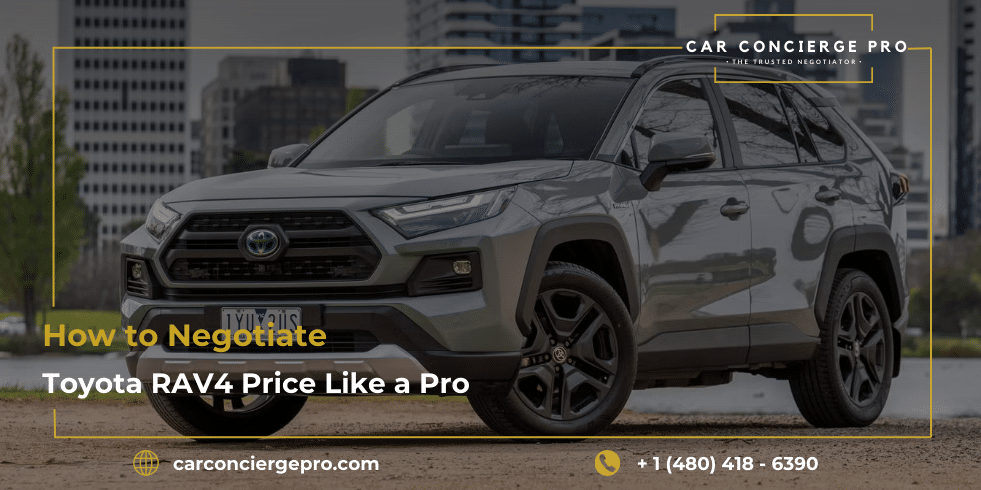
Negotiating the toyota rav4 price can feel like navigating a maze, especially if you’re unsure which numbers truly matter. You want transparency, confidence, and real savings. This guide promises just that: expert‑driven strategies, judgment calls that respect dealer realities, and real‑world mini case examples. We’ll show you how to research toyota rav4 2024 price vs the toyota rav4 2025 price, how to leverage market timing, how to engage dealers tactfully, and how to sidestep common traps. By the end, you’ll approach your RAV4 purchase equipped, and empowered, to seal a better deal than most shoppers.
Understand the Toyota RAV4 Pricing Landscape Monitor toyota rav4 2024 price vs toyota rav4 2025 price
Prices for an outgoing model year (like the 2024 RAV4) often dip as dealers clear inventory. Meanwhile, the 2025 version may still command near‑MSRP pricing. Track online listings, Kelley Blue Book, manufacturer sites, and local ads for both years. If the 2024 price is $2,000-$3,000 lower, that gives you negotiation ammunition, without sacrificing still‑new tech or warranty.
Get your car lease today!
Questions about the car lease? Connect with us for a complimentary consultation call.
Know MSRP, dealer invoice, and invoice holdback
- MSRP : What’s advertised, but not necessarily the price you pay.
- Dealer Invoice : What the dealer allegedly pays. There’s usually room below MSRP and above invoice.
- Holdback : A hidden bonus from the automaker to the dealer, usually 2-3% of MSRP. It’s their cushion and your opportunity. Knowing these figures helps you identify the likely negotiation floor. In practice, a 5-8% discount off MSRP on a 2024 RAV4 is realistic; for a 2025 model, aim for 3-5%.
Set Your Budget and Desired Price Range Identify Your Bottom‑Line Price
Start by choosing the maximum toyota rav4 price you’re willing to pay, ideally 5-10% below MSRP. Build in a buffer for taxes, destination charge, and registration. Having a clear ceiling helps you stay firm if counters go too high.
Use Real‑Time Market Data for Leverage
Use tools like TrueCar, Edmunds, and local classifieds to see what others paid this month. Being informed boosts your credibility. For example, if the average settled price today for a 2024 model is $35,000, and the MSRP is $38,000, you can confidently start at $33,000-$34,000.
Build Knowledge to Gain Negotiation Power Research incentives, rebates, and promotions
Automakers often release seasonal rebates (e.g., loyalty bonus, finance incentives). Those vary by region and timeframe. Pair them with negotiation. A quick calculation: a $1,500 rebate + your negotiated $1,500 off MSRP nets you $3,000 in total savings.
Compare quotes from multiple dealers
Contact 3-5 dealerships, ask for their out-the-door price for the same configuration. Let them know you’re shopping elsewhere. Dealers hate losing deals and may undercut or offer add-ons.
Time your purchase - end of model year or month
Dealerships chase quotas monthly and yearly. The end of the month/quarter, or model-year finale (e.g., mid‑2025) can bring sharper incentives and more willingness to negotiate. Even a day or two difference can yield savings.
The Negotiation Process Step‑By‑Step
Initiate with a Target Price Below Your Max
Contact 3-5 dealerships, ask for their out-the-door price for the same configuration. Let them know you’re shopping elsewhere. Dealers hate losing deals and may undercut or offer add-ons.
Use Silence and Timing as Tactical Tools
After stating your offer, stay quiet. A pause forces the salesperson to fill the gap, sometimes with a counter closer to your target than theirs. Be unfazed by moments of silence.
Get your car buy today!
Questions about the car buy? Connect with us for a complimentary consultation call.
Counteroffers: When to Push and When to Walk Away
If the dealer counters $36,500, consider offering $36,000. If they stall or pivot to monthly payments, redirect them back to total price. If they’re unwilling to budge beyond their best offer and it’s above your max, be ready to walk, it signals seriousness.
Close Without Overspending - Review Fees and Add‑Ons
Taxes, documentation fees, and add-ons can add $1,000-$2,000. Don’t let a good negotiated price be diluted by extras. Always ask for a breakdown:
- “What’s your out-the-door total?”
- “Can we remove [extended warranty / pinstriping / window tint]?”
Keep the price clear; add‑ons can be deferred or negotiated separately.
Common Pitfalls and How to Avoid Them Falling for Monthly Payment Tricks
“Looks like a lower monthly payment” doesn’t mean a lower price. Dealers may extend term length or raise interest to hit that sweet monthly figure. Always compare finance offers in total cash price.
Accepting High‑Margin Add‑Ons Blindly
Dealers know many buyers accept add-ons like paint protection or fabric guard. Always ask cost, consider if you really need it, or seek third-party alternatives.
Ignoring Trade‑In and Financing Interplay
Trade‑in and financing offers often mask actual price details. Always negotiate the vehicle price first, separately from financing and trade‑in discussion. Once price is set, then talk trade-in and financing to avoid bundled markups.
Ignoring Trade‑In and Financing Interplay
Trade‑in and financing offers often mask actual price details. Always negotiate the vehicle price first, separately from financing and trade‑in discussion. Once price is set, then talk trade-in and financing to avoid bundled markups.
Mini‑Summary: Key Negotiation Takeaways
Effective negotiation rests on three pillars:
- Armed with data, know MSRP, invoice, regional rebates, averages for 2024 vs 2025 pricing.
- Strategic timing & volume, target moments when dealers feel pressure to sell.
- Tactical restraint, start low, wait, walk away if needed, and protect your deal from hidden fees.
With these, you’re not just negotiating, you’re doing it like a pro.
Quick Micro Case: Sample Negotiation in Action
Effective negotiation rests on three pillars:
- Armed with data, know MSRP, invoice, regional rebates, averages for 2024 vs 2025 pricing.
- Strategic timing & volume, target moments when dealers feel pressure to sell.
- Tactical restraint, start low, wait, walk away if needed, and protect your deal from hidden fees.
With these, you’re not just negotiating, you’re doing it like a pro.