

Make and Model
Luxury and high-performance vehicles often depreciate faster than economy models. Brands like BMW, Audi, and Mercedes-Benz experience higher depreciation rates
The Car Concierge Pro Car Depreciation Calculator puts you in control of your vehicle's financial future, providing essential insights for making informed decisions.
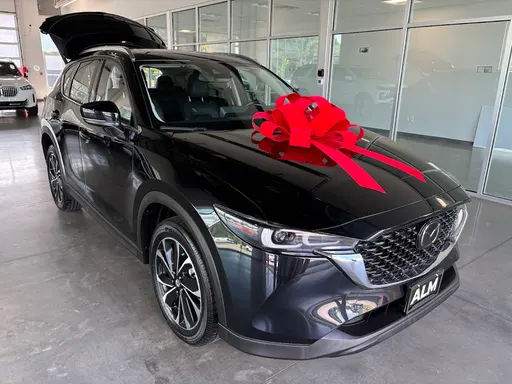
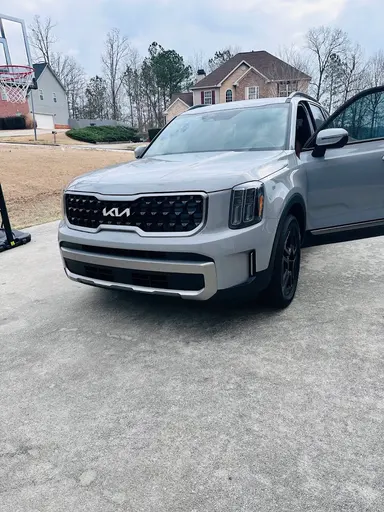
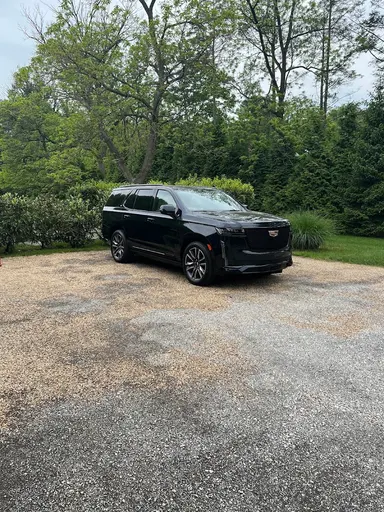
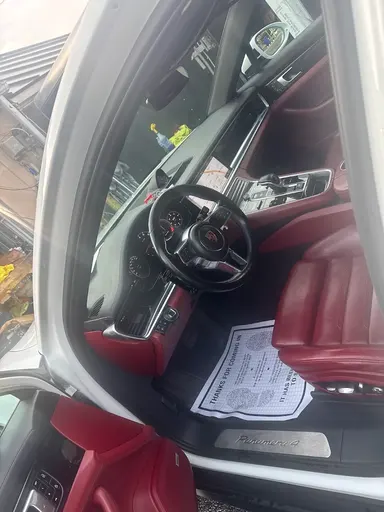
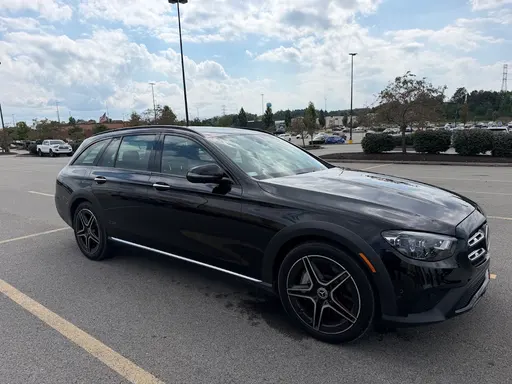
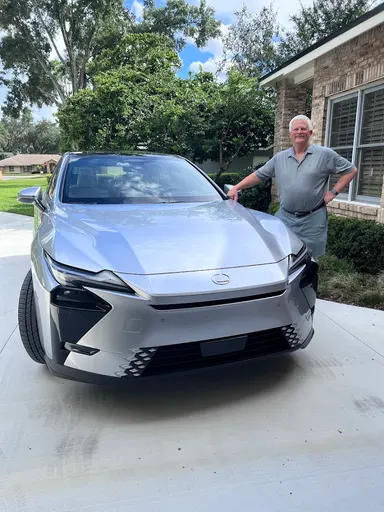
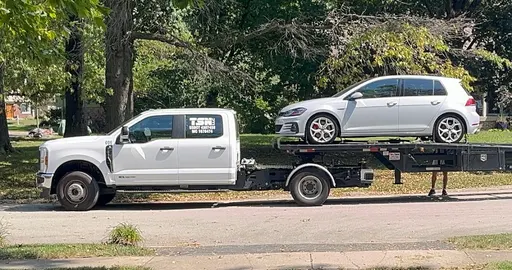
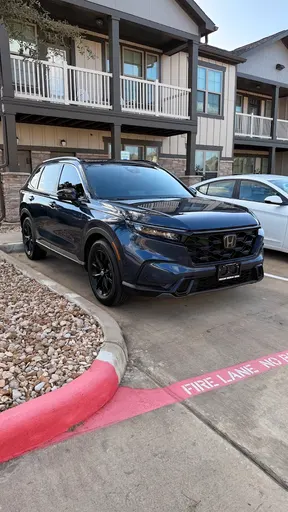
Real clients, real keys
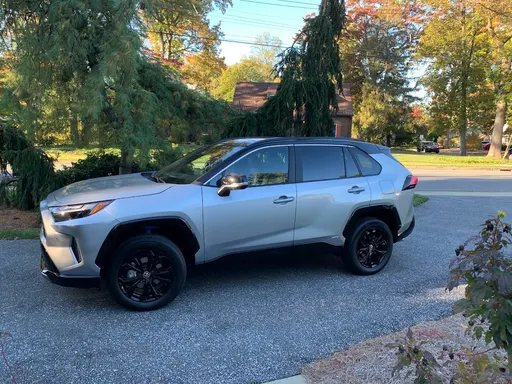
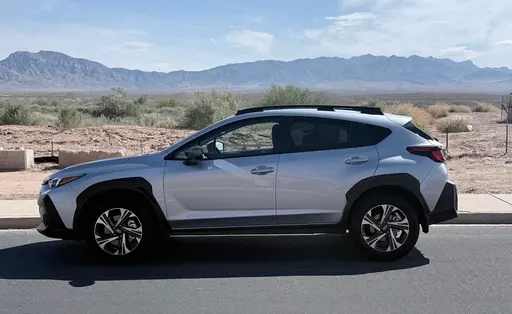
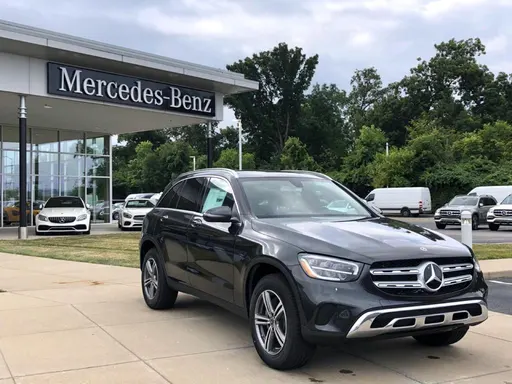
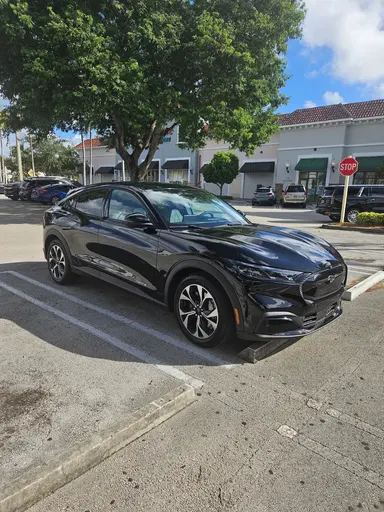
Photos our clients posted with their own Google reviews.

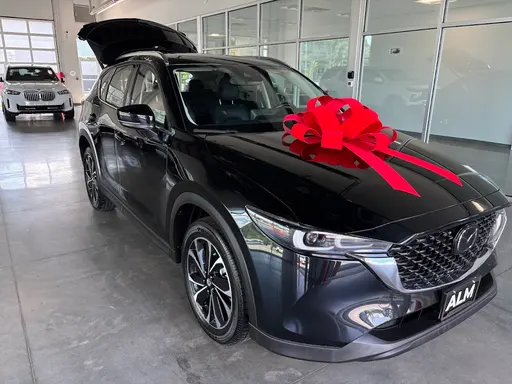
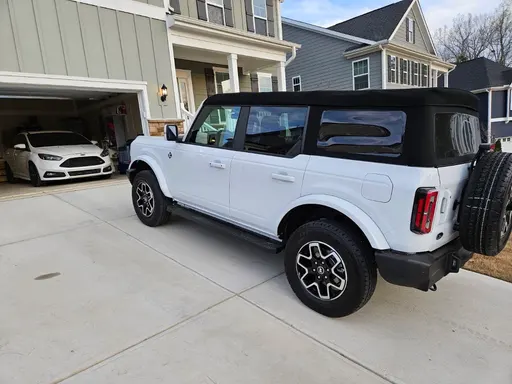
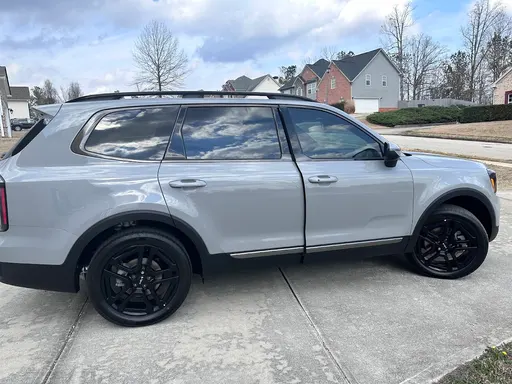









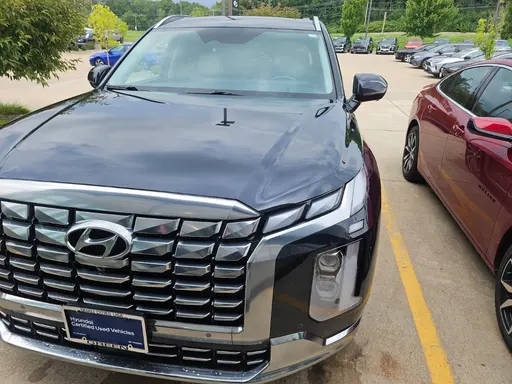




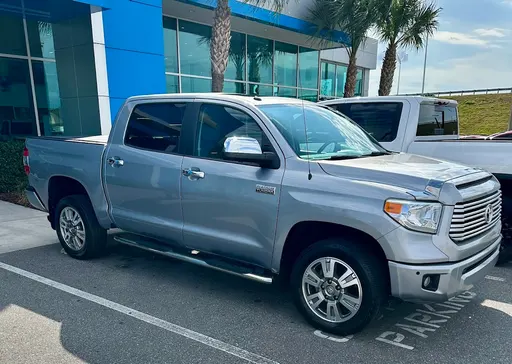
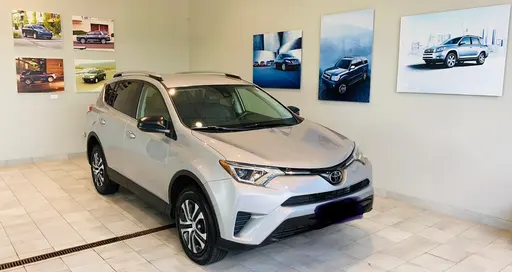
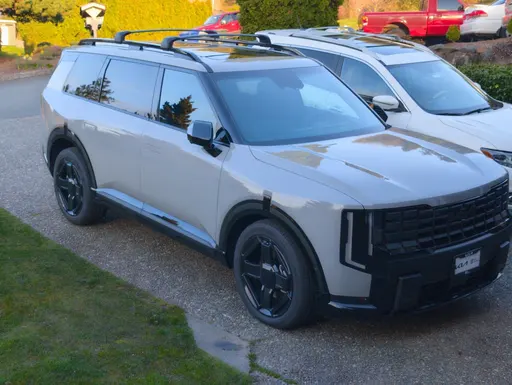








Figures are estimates and include taxes, title and fees where the state data has them. They are a reference, not a quote.
Your figures are here, but your details did not reach us. Call +1 (480) 418-6390 and a concierge will pick it up.
Enter your details and press Calculate. We ask for your name, email and phone once, then your figures appear here.
Understanding how your vehicle’s value will change over time is crucial for intelligent financial planning. At Car Concierge Pro, our Car Depreciation Calculator empowers you to protect your car’s worth year by year, making informed decisions whether you’re buying, selling, or trading in your car.
Dive into the world of Depreciation and gain insights into which vehicles hold their value best and which ones might cost you more in the long run.
Current Vehicle Value: Enter the current market value of your vehicle. Depreciation Rate: Use the standard rates provided or adjust based on your specific vehicle. Years of Ownership: Input how many years you plan to keep the car.
Use our Car Depreciation Calculator to project your vehicle's value year by year. Input your car’s initial value, select the appropriate depreciation rate, and specify the years you plan to own the vehicle. Our calculator will provide a detailed breakdown of your car’s projected value over time. Depreciation Rate Box:
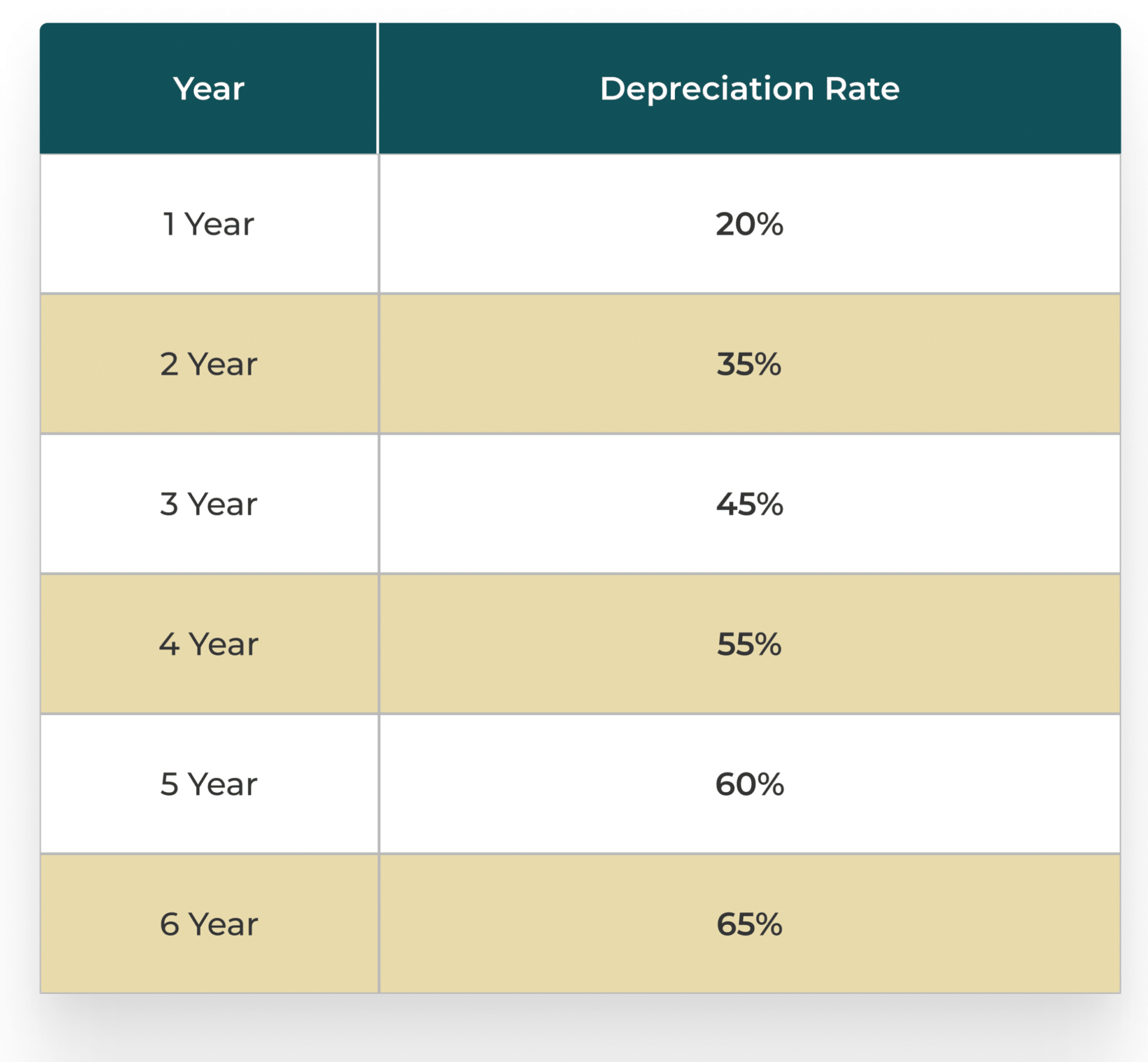
Understanding what impacts Depreciation can help you make better financial decisions. Here are the main factors:
Luxury and high-performance vehicles often depreciate faster than economy models. Brands like BMW, Audi, and Mercedes-Benz experience higher depreciation rates
Higher mileage usually results in faster Depreciation. A vehicle with over 15,000 miles per year will lose value faster than one with lower mileage.
Your car's physical and mechanical condition plays a significant role in its Depreciation. Well-maintained cars with regular service records depreciate at a slower rate.
Shifts in consumer preferences, such as a growing demand for electric vehicles, can influence the depreciation rate of traditional gasoline-powered cars.
Fluctuations in fuel prices, economic conditions, and new car incentives can affect how quickly a car loses value.
Owning a car involves several ongoing costs:
Insurance premiums vary based on the vehicle's make, model, and driving history.
Fuel costs can increase depending on your car’s fuel efficiency and current prices.
Consistent maintenance is vital for maintaining your vehicle's condition and slowing its depreciation.
Costs related to vehicle registration and taxes depend on your location and the vehicle type.

Certain cars are known for depreciating faster than others. Here’s a quick overview:
Luxury Vehicles: Luxury cars like BMW and Mercedes-Benz can depreciate significantly due to high initial costs and expensive maintenance. Sports Cars: High-performance sports cars such as the Chevrolet Corvette or Porsche 911 often see rapid Depreciation due to their niche market and high initial prices. Large SUVs: Despite their popularity, large SUVs can lose value quickly due to high fuel consumption and shifting market trends towards more fuel-efficient vehicles.
By understanding how Depreciation works and using our calculator, you can better anticipate your car’s future value and manage your finances accordingly. Whether you’re buying a new car, planning to sell your current one, or simply wanting to understand its long-term value, our calculator provides the necessary insights.

One short email when out-the-door prices move on the cars our clients are buying. Same list as the alerts box at the foot of this page.
The calculator tells you what a payment costs. A concierge tells you what the car should have cost, and then goes and gets it.