































In this article
Introduction
The automotive industry is undergoing a significant transformation with the rise of electric vehicles (EVs). As concerns over climate change, fuel efficiency, and emissions regulations grow, automakers worldwide are shifting towards sustainable and energy-efficient transportation solutions.
Electric vehicles have gained popularity due to their eco-friendly nature, lower operating costs, and advanced technology. Governments and consumers are increasingly supporting EV adoption, making them a critical part of the future of mobility.
This article explores what EVs are, how they work, and their impact on the automotive industry, along with answering common questions related to electric vehicles.
What is an EV (Electric Vehicle)?
Definition of EV
An electric vehicle (EV) is a type of automobile powered by electricity rather than gasoline or diesel. EVs use an electric motor and a rechargeable battery pack to drive the vehicle, reducing dependence on fossil fuels and lowering carbon emissions.
Key Components of an EV
EVs consist of several key components that differentiate them from traditional internal combustion engine (ICE) vehicles:
- Battery Pack: Stores electrical energy to power the vehicle. Common types include lithium-ion (Li-ion) batteries due to their efficiency and longevity.
- Electric Motor: Converts electrical energy into mechanical energy to drive the wheels.
- Inverter: Converts direct current (DC) from the battery into alternating current (AC) for the motor .
- Charging Port: Allows the vehicle to recharge by connecting to a power source (home chargers, public charging stations, or fast chargers).
- Regenerative Braking System: Captures energy during braking and stores it back in the battery, improving efficiency.
- Onboard Charger: Converts AC power from a charging station into DC power to charge the battery.
Streamline Your Car Buying Experience Today
Let Car Concierge Pro handle the details while you enjoy a hassle-free, personalized car buying journey from start to finish.
Why Are EVs Important in the Automotive Industry?
1. Environmental Benefits and Sustainability
EVs produce zero tailpipe emissions, helping reduce greenhouse gases (GHG) and air pollution. By replacing traditional gasoline or diesel cars, EVs contribute to:
- Lower carbon footprint in cities.
- Reduction of noise pollution due to silent electric motors.
- Sustainability goals set by global governments.
2. Advancements in Vehicle Design and Manufacturing
EVs have led to major innovations in vehicle architecture and manufacturing, including:
- Lightweight materials (such as carbon fiber and aluminum) to improve efficiency.
- Improved aerodynamics for better range and performance.
- Flexible vehicle platforms like GM’s Ultium battery platform and Volkswagen’s MEB platform .
3. Lower Operating Costs for Consumers
EVs are often cheaper to maintain than gasoline cars due to:
- Fewer moving parts (no oil changes, spark plugs, or exhaust systems).
- Lower fuel costs compared to gasoline or diesel.
- Government incentives and tax credits in many countries.
4. Impact on Car Dealerships and Auto Sales
Automakers and dealerships are shifting toward EV sales by:
- Offering special financing options and rebates .
- Expanding EV service and maintenance training for technicians.
- Integrating digital tools for EV range estimation and charging station locators .
5. EV Safety and Technology Innovations
EVs come with advanced safety features and smart technology, including:
- Battery management systems (BMS) to prevent overheating.
- Autonomous driving capabilities (Tesla, Rivian, Lucid, and others).
- AI-based predictive maintenance using onboard sensors.
Practical Applications of EVs in the Industry
1. Automaker Initiatives Toward EV Adoption
- Tesla leads the EV market with models like the Model 3, Model Y, and Cybertruck .
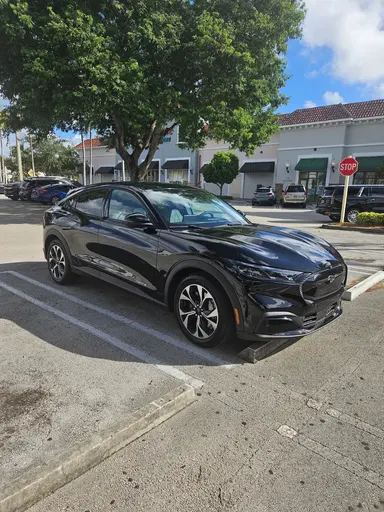
- Ford introduced the F-150 Lightning , an electric version of its best-selling truck.
- Volkswagen, BMW, and Mercedes-Benz are expanding their electric fleets to compete globally.
- China’s BYD and NIO are driving innovation in battery technology.
2. Growth of Charging Infrastructure
- Companies like Tesla (Supercharger network), Electrify America, and ChargePoint are expanding fast-charging stations worldwide.
- Governments are investing in nationwide charging networks to support EV growth.
3. EVs in the Commercial and Fleet Industry
- Amazon, FedEx, and UPS are integrating electric delivery vans into their logistics fleets.
- Ride-hailing services like Uber and Lyft are incentivizing drivers to switch to EVs.
Frequently Asked Questions (FAQs) About EVs
1. What is an EV and how does it work?
An electric vehicle (EV) is a car powered by electricity instead of gasoline or diesel. It operates using a battery pack and an electric motor, which converts electricity into motion. EVs can be charged at home, public stations, or fast chargers.
2. Why is EV important for car manufacturers and buyers?
For automakers, EVs represent the future of sustainable mobility and meet global emission standards. For buyers, EVs offer lower running costs, reduced maintenance, and environmental benefits.
3. Are there any regulations or standards related to EVs?
Yes, EVs must comply with:
- NHTSA (USA) safety regulations.
- European Union emissions and battery recycling policies .
- China’s EV credit system , promoting sustainable vehicle production.
- Global ISO standards for battery and charging safety.
4. What are common misconceptions about EVs?
- EVs don’t have enough range, False. Modern EVs offer ranges of 250-400+ miles per charge .
- EV batteries degrade quickly, False. Most EV batteries last 8-15 years , with warranties covering them for 100,000+ miles .
- Charging takes too long, False. Fast chargers can charge up to 80% in 30-40 minutes .
Conclusion: The Future of EVs in the Automotive Industry
EVs are shaping the next era of transportation, driving advancements in battery technology, vehicle design, and smart mobility solutions. With major automakers committing to 100% electric lineups, the future of EVs is inevitable.
As charging infrastructure improves and battery costs decline, EV adoption will become more accessible to a broader audience. Whether you’re an automotive professional, car buyer, or industry enthusiast, staying informed about EV technology is essential in today’s evolving landscape.
Thinking of buying an EV?
Explore models from Tesla, Ford, Volkswagen, Hyundai, and more, and check out government incentives for EV buyers in your region! ⚡🚗
Schedule a Demo >