




























In this article
Introduction
The automotive industry is undergoing a transformation driven by the need for fuel efficiency, reduced emissions, and enhanced performance. One of the key innovations enabling this shift is Hybrid Powertrain Configuration (HPC). HPC refers to the arrangement and integration of both internal combustion engines (ICE) and electric motors to optimize vehicle performance, fuel economy, and environmental impact.
Hybrid powertrains are becoming increasingly important as automakers and governments push for greener mobility solutions. By balancing traditional gasoline or diesel engines with electric propulsion, HPC helps reduce fuel consumption and emissions while maintaining the driving experience consumers expect. This article explores the concept of HPC, its key components, industry significance, and frequently asked questions.
What is HPC (Hybrid Powertrain Configuration)?
Definition
Hybrid Powertrain Configuration (HPC) refers to the technical arrangement of power sources in a hybrid vehicle. It determines how power is generated, stored, and delivered to the wheels. Different HPC models exist, each designed to balance efficiency, performance, and environmental impact.
Key Components of HPC
- Internal Combustion Engine (ICE), Provides traditional power using gasoline or diesel fuel.
- Electric Motor(s), Assists the ICE or powers the vehicle independently using battery-stored energy.
- Battery Pack, Stores electrical energy, typically lithium-ion batteries.
- Power Control Unit (PCU), Manages the interaction between the ICE, electric motor, and battery.
- Regenerative Braking System, Captures and converts kinetic energy into electricity to recharge the battery.
- Transmission System, Integrates both power sources efficiently, optimizing fuel economy and performance.
Streamline Your Car Buying Experience Today
Let Car Concierge Pro handle the details while you enjoy a hassle-free, personalized car buying journey from start to finish.
Types of Hybrid Powertrain Configurations
Different HPC models exist to cater to various driving needs:
- Series Hybrid
- The electric motor drives the wheels, while the ICE acts as a generator to recharge the battery.
- Example: BMW i3 Range Extender.
- Parallel Hybrid
- Both the ICE and electric motor can power the vehicle simultaneously or separately.
- Example: Honda Accord Hybrid.
- Series-Parallel Hybrid
- A combination of series and parallel configurations for improved flexibility.
- Example: Toyota Prius.
- Plug-in Hybrid (PHEV)
- Similar to conventional hybrids but with a larger battery that can be charged via external power sources.
- Example: Mitsubishi Outlander PHEV.
Importance of HPC in the Automotive Industry
1. Impact on Vehicle Design & Manufacturing
- Lightweight Materials & Aerodynamics, Automakers design hybrids with lighter materials and streamlined aerodynamics to improve efficiency.
- Battery Technology Advancements, The development of higher-capacity, faster-charging batteries enhances hybrid performance.
- Flexible Powertrain Architectures, Different hybrid configurations cater to various markets and driving conditions.
2. Fuel Efficiency & Environmental Impact
- Reduced Fuel Consumption, HPC improves fuel efficiency by optimizing the use of electric power and reducing reliance on fossil fuels.
- Lower Carbon Emissions, Hybrid vehicles produce fewer CO₂ emissions compared to traditional ICE vehicles.
- Regenerative Energy Recovery, Capturing braking energy enhances overall efficiency and extends battery life.
3. Enhanced Customer Experience
- Seamless Driving Performance, Electric motors provide instant torque, ensuring smooth acceleration.
- Lower Maintenance Costs, Hybrids require less maintenance due to reduced wear on components like brakes and engines.
- Government Incentives & Tax Benefits, Many countries offer tax breaks and rebates for hybrid vehicle buyers.
4. Safety & Regulatory Compliance
- Safety Enhancements, HPC models integrate advanced driver-assistance systems (ADAS) for safer driving.
- Emissions Standards Compliance, Hybrid vehicles help automakers meet stringent global emissions regulations.
- Crash Safety Considerations, Manufacturers design hybrid-specific crash structures to accommodate battery packs safely.
Real-World Application of HPC in the Automotive Industry
1. Toyota Hybrid Synergy Drive (HSD)
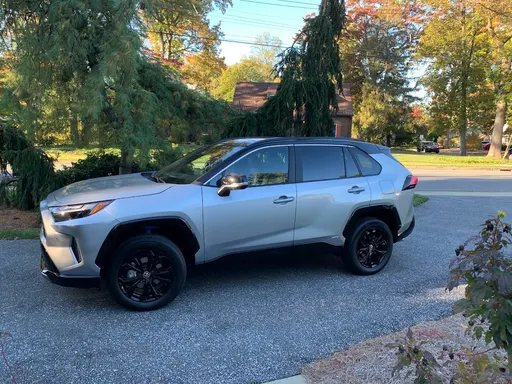
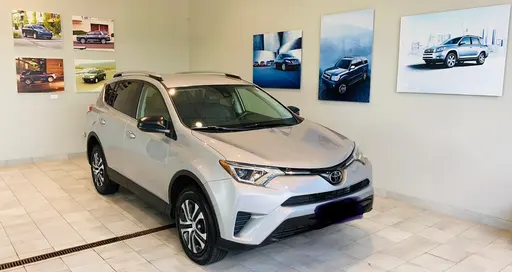
Toyota has pioneered hybrid technology with its Hybrid Synergy Drive, used in models like the Prius, Camry Hybrid, and RAV4 Hybrid. The system optimizes energy use and seamlessly switches between electric and gasoline power.
2. Honda i-MMD (Intelligent Multi-Mode Drive)
Honda’s hybrid system intelligently manages power distribution for maximum efficiency. The Honda Accord Hybrid uses this technology for improved fuel economy and dynamic performance.
3. Ford PowerSplit Hybrid System
Ford’s hybrid system, found in the Fusion Hybrid and Escape Hybrid, balances fuel efficiency with power delivery using a combination of series and parallel hybrid modes.
4. Plug-in Hybrid Expansion
Automakers like BMW, Mercedes-Benz, and Volvo are expanding their plug-in hybrid electric vehicle (PHEV) lineups, allowing drivers to use electric power for daily commutes while retaining an ICE for longer trips.
Frequently Asked Questions (FAQs)
1. What is HPC and how does it work?
HPC stands for Hybrid Powertrain Configuration, which integrates an internal combustion engine with one or more electric motors. It works by intelligently distributing power between these sources to maximize efficiency and performance.
2. Why is HPC important for car manufacturers or buyers?
For manufacturers, HPC helps meet government emissions regulations and attract eco-conscious customers. For buyers, it offers fuel savings, lower emissions, and smoother driving experiences.
3. Are there any regulations or standards related to HPC?
Yes, several global regulations affect hybrid powertrains:
- Corporate Average Fuel Economy (CAFE) Standards (USA), Encourages automakers to improve fuel efficiency.
- EU CO₂ Emissions Targets, Requires lower average emissions from new vehicles.
- China’s New Energy Vehicle (NEV) Policy, Supports hybrid and electric vehicle adoption.
4. What are common misconceptions about HPC?
- “Hybrids are slow and underpowered.”, Modern hybrids offer performance comparable to traditional ICE vehicles, with some models even outperforming gasoline counterparts.
- “HPC vehicles are too expensive.”, While hybrids can have higher upfront costs, lower fuel and maintenance expenses balance the total cost of ownership.
- “Hybrids don’t need maintenance.”, Although they require less maintenance than ICE cars, battery and hybrid system checks are still necessary.
- “Plug-in hybrids are the same as electric vehicles.”, PHEVs still rely on an internal combustion engine, unlike full EVs.
Conclusion
The Hybrid Powertrain Configuration (HPC) is a transformative technology in the automotive industry, bridging the gap between traditional gasoline-powered vehicles and fully electric models. By improving fuel efficiency, reducing emissions, and offering a better driving experience, HPC plays a crucial role in the industry’s transition toward sustainability.
As automakers continue innovating with advanced battery technology, AI-driven power management, and enhanced regenerative systems, hybrid vehicles will become even more efficient and accessible. Understanding HPC helps consumers and businesses make informed decisions about vehicle purchases, ensuring long-term benefits in cost savings and environmental impact.
Staying up to date with hybrid technology trends and government policies will be essential as the industry evolves. Whether you’re a car buyer, manufacturer, or dealership, embracing hybrid powertrain advancements is a step toward a more sustainable and efficient automotive future.
Schedule a Demo >