





































In this article
Buying a car can turn into quite the stressful experience. There are more models out there than ever before these days, and a huge catalog of features and add-ons to choose from. While choice is great, it can also be a burden, so if you’ve recently bought a car, congrats on your purchase! The worst is over, and you can now enjoy the vehicle you’ve chosen and the benefits an update gives you.
That said, there are still some things you’ll need to figure out, one of which being looking after and maintaining your vehicle. While every model is different, there are some general things to keep in mind, and if you haven’t had experience with a modern car, you may be feeling a little overwhelmed right now.
This article is here to help you out with that. Here are a few things you need to know to make sure your car stays in tip-top condition.
Basic Maintenance Demands
The most important thing to start with is your basic maintenance demands, and you should begin by reading your manual carefully. While this is a hefty bit of text, you should always make an effort to understand the inner workings of your car, as if you don’t, there may be model-specific mistakes you’re making that later result in a problem.
Every manual will have a maintenance section. You’ll find general advice here about regular servicing, oil replacement procedures, filter models, wiper replacements, and so on, and if you’re confused about anything, you can always call the dealership or ask your mechanic. Familiarising yourself with the basics found on these pages can save you a lot of hassle in the long run, so don’t put it off.
Protecting Your Car From the Elements
Every car is subject to some amount of environmental wear and tear, and while this is inevitable, there’s plenty you can do to mitigate it.
Washing the outside, for example, is about more than just appearances. It helps remove the accumulation of dirt and grime that not only looks unsightly, but can grind down the paintwork over time and degrade the finish. You could also consider protective wax as an extra preventative measure.
On the inside, basic vacuuming is essential for keeping the carpeting and the upholstery looking new, and if you have leather seats, they’ll need to be conditioned periodically (again, look to your user manual for advice here).

Sourcing a Reliable Bodywork Shop
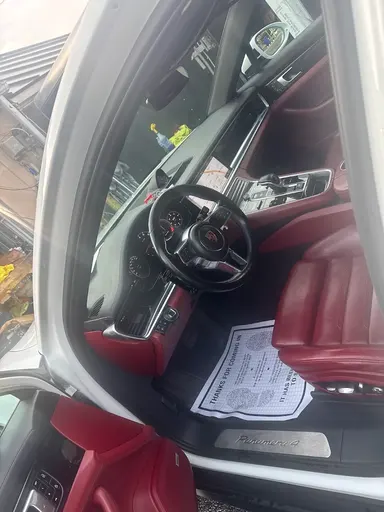
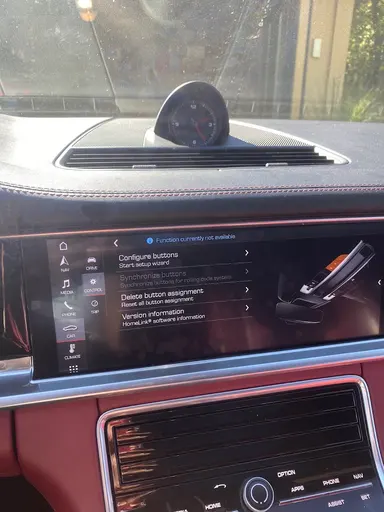
Especially if you have an exotic vehicle like a Porsche or something with unique attributes, such as a Tesla, you’ll want to source a reliable auto body shop early on.
The professionals you’ll find here are experts in repairing worn or scratched paint and damage to the body of the car, which are both elements that are often model-specific and therefore require a high level of expertise with a specific brand.
While you won’t have anything to fix now, building a strong working relationship with these service providers is important for securing your long-term investment.
Out of all the different elements of your vehicle, the tires are the part that’ll need the most frequent attention. These are the bits that make contact with the road at high speed, after all, and while, as a driver, you’ll know that they eventually need to be replaced, different cars require different specs.
Tire Monitoring
Check the manual for exactly what kind of tires your vehicle needs, and be aware that if you’re frequenting certain types of terrain (such as steep, rugged hills or snowy areas), you may be best placed with a different type of tire than those that come stock.
At the same time, checking tread depth and tire pressure is key, and you can do this yourself at home. Again, your manual will have the necessary instructions, but it can help to follow a YouTube tutorial if you’re more of a visual learner (both will be checked at your next service aswell).
Finally, it’s important to learn what to look out for regarding degrading tires, such as deep cracks in the rubber and flaking material. Tires can get damaged and become unusable even if the tread and pressure are technically correct.
Wrapping Up
You should now feel a little clearer on the basics of looking after a new car. The take-home message is to know your model inside out, and don’t just assume that what worked for your last model will work on this one; the fundamentals are mostly the same, but there are always subtle differences.