


















In this article
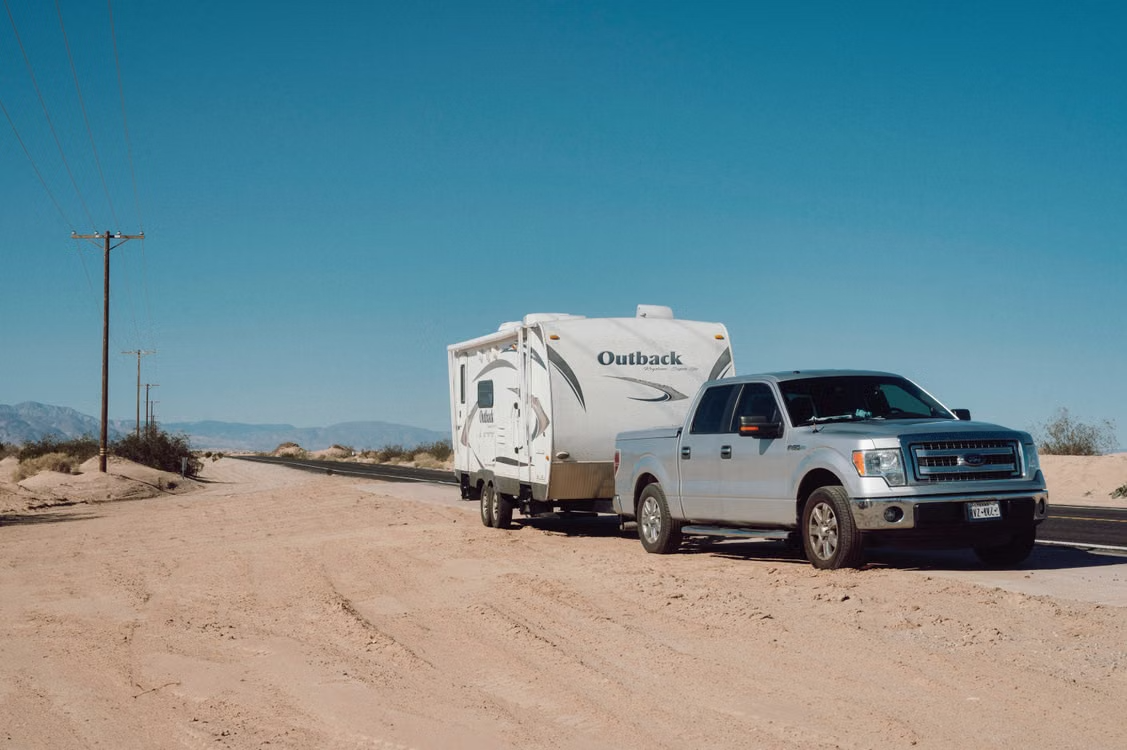
Finding a solid used diesel truck, whether it’s a Ford F-250 Super Duty, a RAM 2500, or a GM Silverado HD, is usually a smart move. They hold their value ridiculously well, offer massive towing power, and can easily run for hundreds of thousands of miles. Whether you’re hauling heavy equipment for work or pulling a 35-foot fifth-wheel camper across the country, a diesel is hard to beat.
That said, shopping for a pre-owned diesel isn’t like buying a standard gas sedan. If you’re negotiating with a dealership or having a car concierge handle the deal for you, you need to look past the shiny paint and tire tread. One of the biggest factors that can make or break your budget is the truck’s emissions setup and its history of aftermarket tweaks.
1. The Real-World Economics of Diesel Emissions Systems
Ever since federal emissions standards tightened up back in 2010, diesel engines have come packed with EGR (Exhaust Gas Recirculation), DPF (Diesel Particulate Filter), and DEF (urea) systems. On paper, they’re great for the environment. But in the real world, especially if a truck spends a lot of time idling on job sites or lugging heavy trailers, carbon soot builds up fast, and fixing these factory parts gets painful really quick.
Here’s what truck owners are often up against:
- Sticker shock on repairs: Replacing a clogged DPF with original parts can easily run you $2,500 to $4,500 . A leaking EGR cooler? That’s another $1,200 to $2,200 out of pocket.
- Fuel mileage and unexpected breakdowns: When the DPF fills up, the truck goes into “regeneration” mode to burn off the soot, which eats up about 15% to 20% more fuel. Worse yet, a glitchy sensor can throw the truck straight into “limp mode,” leaving you stranded on the highway right in the middle of a work trip or family vacation.
To avoid these headaches, boost fuel mileage, and stop throwing money at fragile factory sensors, many folks who use their trucks for heavy work, farming, or off-road hauling decide to simplify their exhaust setup. They often turn to reputable aftermarket brands like SuncentAuto to pick up a quality def delete kit. Paired with a mild ECU tune, this frees up the engine, adds 2 to 4 MPG, and keeps the truck running reliably without the constant threat of a dashboard light shutting down your workday.
2. A Quick Case Study: Evaluating a 6.7L Powerstroke Ford F-250
Let’s say you’re looking at a 2022 Ford F-250 6.7L Powerstroke listed at $42,000. During your pre-purchase inspection (PPI), you crawl underneath and realize the previous owner installed a full exhaust upgrade, like a Suncent 2022 f250 delete kit with a 5-inch downpipe-back pipe and EGR block-off plates.
How should you look at this as a buyer?
- The Upside: If the previous owner set it up right with a clean, conservative tow tune, and they actually have the tune logs and original computer files to prove it, that’s a huge win. They basically saved you $2,000 to $5,000 in parts, custom exhaust work, and tuning costs.
- The Downside & Leverage: If the dealer is selling the truck as-is, can’t give you the stock exhaust parts, and you live in an area with strict state smog inspections, you’ve got a problem. You won’t be able to register the truck without those factory parts. Use that exact point to push back hard on their Out-The-Door (OTD) price, ask for at least a $3,000 discount to cover the cost of getting the truck emissions-compliant.
3. A Practical Checklist Before You Sign Anything
Before you put your signature on a purchase agreement, run through these quick checks:
- Ask for tune records: Make sure any ECU tuning was done for towing or daily driving, not for crazy street racing that thrashed the transmission.
- Find out if the stock parts are in the bed: Always ask if the seller kept the original DPF and EGR hardware. Having those original parts in a box in your garage makes the truck ten times easier to resell or move to another state down the road.
- Do the math on the total OTD price: Factor in potential smog compliance costs, re-flashing fees, or the money you’re saving from existing upgrades when comparing final prices between trucks.
At the end of the day, knowing how these trucks are actually driven and modified gives you the upper hand at the dealership. You won’t just get a fair price, you’ll walk away with a truck that fits your workload without surprise bills down the road.