
















In this article
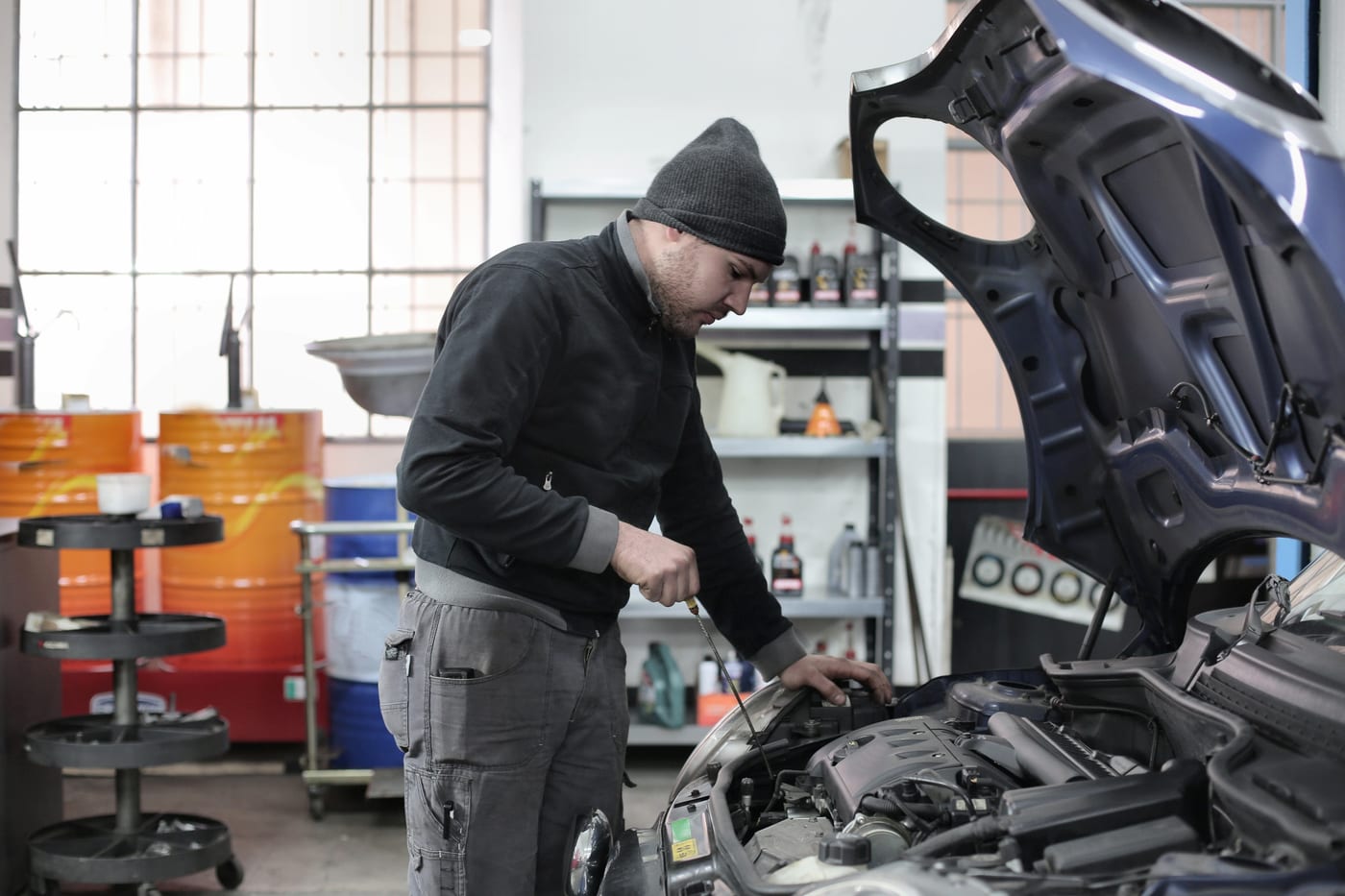
Image Credit: Pexels
Finding the perfect used car means looking beyond its colour and style. While a clean interior and a shiny exterior are nice, a car’s real health is under the bonnet. A thorough inspection before you buy can save you from unexpected and costly repairs later on. Knowing what to look for can turn a potentially risky purchase into a smart, confident investment in your next vehicle.
These checks go beyond the basics, giving you a clearer picture of what you’re actually buying. Taking the time to pop the bonnet and look closely is a must for any savvy car buyer.
Beyond the Test Drive
The test drive is your first chance to get a feel for the car, but it’s only part of the story when you’re looking to buy a used car. While you’re driving, listen for any unusual noises like knocking, grinding, or squealing from the engine. Pay attention to how the car handles, brakes, and accelerates. But don’t stop inspecting once you turn the engine off. A proper test-driving checklist will remind you to check things both on the road and while parked. Once you’re back, let the engine cool down a bit before you start your under-the-bonnet inspection. This lets you assess the car when it’s still, which is when many potential problems can show up.
Essential Electrical System Checks
A car’s electrical system is like its central nervous system, and problems here can be tricky and expensive to fix. Start with the battery. Check the terminals for any signs of corrosion, which looks like a white or bluish fuzzy powder. Make sure the battery is securely fastened and doesn’t move around. Next, test all the lights: headlights (high and low beams), indicators, brake lights, and interior lights. Don’t forget the dashboard. Turn the key to the “on” position without starting the engine to see if all the warning lights come on and then go out once the car is running. If any lights flicker or a warning symbol stays on, it could point to an electrical fault that needs proper diagnosis. A professional auto electrician can use diagnostic equipment to identify problems with components such as the battery, alternator, starter or other parts of the vehicle’s electrical system before you commit to the purchase.
Don’t Forget the Air Con
In Australia, a working air conditioning system isn’t a luxury; it’s essential. Testing it is simple but often forgotten. Turn the air con on full blast and set it to the coldest temperature. Does the air coming out of the vents get cold within about a minute? Also, listen for the compressor clutch engaging; you should hear a faint click from the engine bay shortly after you turn it on. Then, switch it over to the heat to make sure that works too. A weak or non-functional air con system might be a simple fix like a regas, or it could point to a more serious problem like a leak or a failing compressor, which can be a very expensive repair.
Spotting Hidden Problems
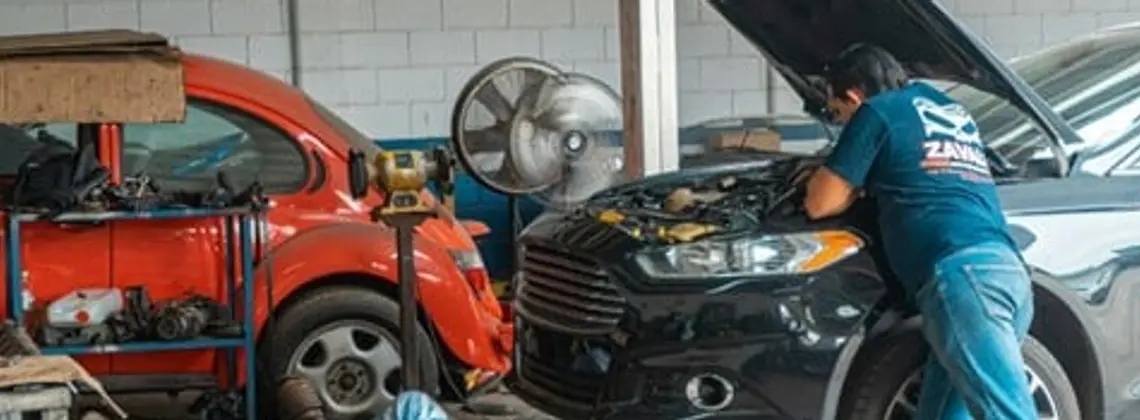
A visual inspection under the bonnet can tell you a lot about a car’s history and how well it’s been maintained. Look for these things:
- Fluids: Check the engine oil, coolant, brake fluid, and power steering fluid levels. The oil should be light brown; if it’s black and gritty, it’s overdue for a change. If it looks milky, it could mean a serious head gasket issue.
- Hoses and Belts: Squeeze the rubber hoses to see if they’re brittle, cracked, or mushy. Inspect the serpentine belt for cracks or fraying.
- Leaks: Look on the engine block and on the ground underneath the car for any signs of oil, coolant, or other fluid leaks. Fresh drips are a major red flag.
A detailed guide on how to inspect a used car can give you an even more exhaustive list of checkpoints if you want to be extra thorough.
When to Call an Expert
While these checks will help you rule out obviously troubled vehicles, nothing beats a professional opinion. If you see signs of significant leaks, hear strange engine noises, notice electrical faults, or see evidence of a recent major accident (like mismatched paint or bent frame components), it’s time to be cautious. If you’re serious about the car but have some concerns, investing in a pre-purchase inspection from a qualified mechanic is always a good idea. They have the tools and experience to spot issues you might miss, giving you the final confirmation you need to either close the deal or walk away.
Taking a bit of extra time to do these checks under the bonnet gives you valuable insight into a car’s condition. It empowers you to negotiate better or move on to a better option, making sure your new car is a source of enjoyment, not a constant headache.