




In this article

Image Credit: Unsplash
Car buyers now have access to more listings, pricing data and vehicle information than any previous generation. Yet a larger selection doesn't automatically produce better value. The strongest purchase often comes from comparing the full cost, checking a vehicle's condition carefully and using a sourcing method that saves time without hiding key details. A low advertised price can be useful, but only when the vehicle, terms and fees hold up under closer inspection. This cautious approach is increasingly vital as recent studies reveal significant shifts in consumer sentiment and purchasing trends in today's volatile market.
Shifting Trends in Pre-Owned Sourcing
More buyers begin with online vehicle research, using digital listings to compare mileage, age, equipment and asking prices before contacting anyone. This makes it easier to spot overpriced vehicles and identify models that fit a realistic budget.
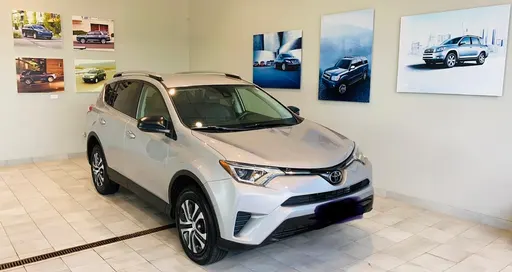
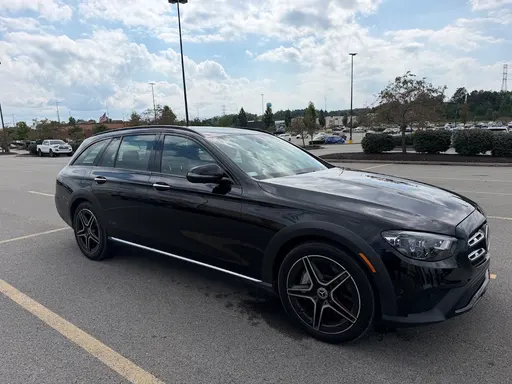
The wider choice also creates more noise. Similar-looking vehicles may have very different service histories, ownership records or cosmetic conditions. When reviewing used car sales, compare each candidate against at least three similar vehicles with the same model year and approximate mileage. Record the asking price, known condition, included warranty and estimated delivery cost. That simple comparison gives you a clearer view of market value than one attractive listing viewed in isolation.
The Reality of Volume Pricing Models
High-volume sellers may price vehicles competitively because they process more inventory and aim to move each unit quickly. That structure can create genuine savings, particularly on common models with plenty of comparable listings. It can also mean less room for negotiation because the advertised figure may already reflect a fixed pricing formula.
Judge the final offer, not the pricing model. For example, a vehicle listed at $22,500 with recent servicing and usable tires could offer better value than a $21,700 alternative that immediately needs $1,200 of maintenance.
Ask how long the vehicle has been listed and whether the price has changed. A long listing period may support a reasonable offer, while a newly listed vehicle at the lower end of the market may sell before negotiations go far.
Hidden Fees That Drain Your Budget
An advertised price rarely represents every dollar you'll spend. Registration costs, taxes, inspection charges, transport, financing fees and optional protection products can raise the total significantly. Request a written, itemized drive-away or out-the-door figure before paying a deposit. Our out-the-door price calculator builds that figure state by state, so you can check the one you are handed.
You should also budget for independent checks. A vehicle history report can reveal recorded title issues, mileage discrepancies or past damage, although it cannot replace a physical inspection. Arrange for a qualified mechanic to assess the vehicle when practical.
Pay close attention to financing. A lower monthly payment may come from a longer loan term, increasing total interest. Compare the amount financed, annual percentage rate, loan length and total repayment figure. If a $500 fee appears unexpectedly, ask what it covers and whether it's mandatory.
Streamlining the Sourcing Process
Set your criteria before opening dozens of listings. Choose a maximum total budget, acceptable mileage range, preferred age and three features you genuinely need. Keep a second list of optional features so an attractive extra doesn't distract you from condition or ownership costs.
Then follow the same review process for every candidate:
- Confirm the total purchase price in writing
- Review service and ownership records
- Arrange an inspection or detailed condition report
- Check delivery timing and return terms
- Compare financing separately from the vehicle price
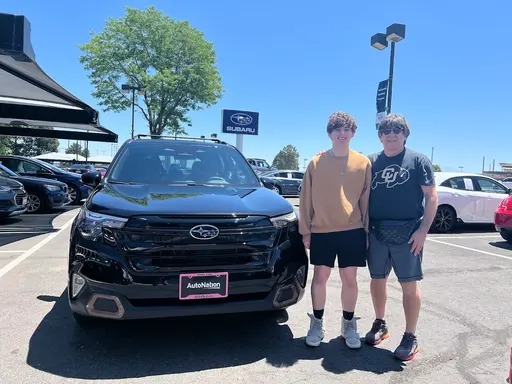
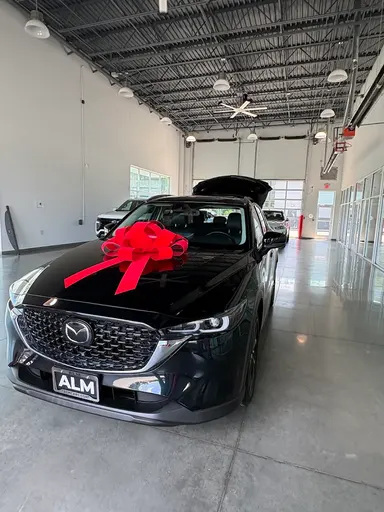
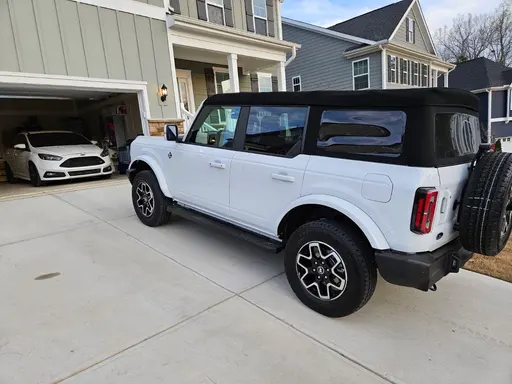
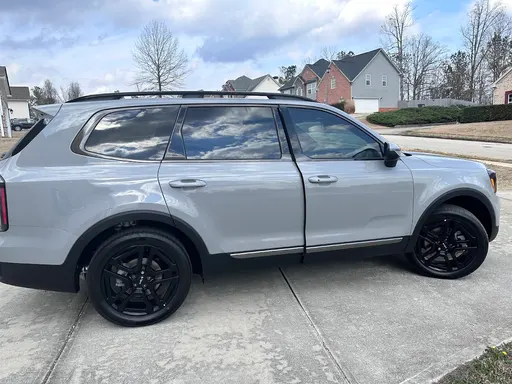
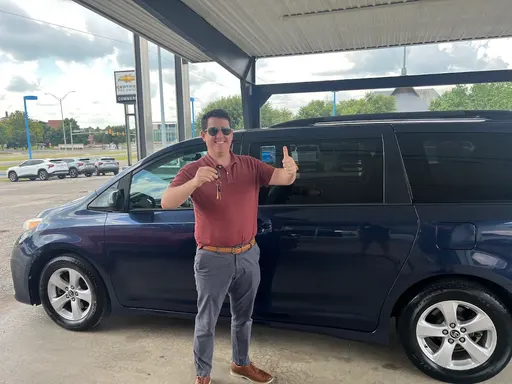
Remote purchases require particular care because photos can hide scratches, interior wear and tire condition. This real client story about buying a pre-owned car remotely shows why structured checks and clear communication matter when you can't inspect a vehicle in person.
Keep your final shortlist to three vehicles. Once each one has a verified total cost and condition assessment, the best value usually becomes much easier to identify.