


































In this article
A reliable vehicle depends on consistent maintenance, early attention to warning signs, and driving habits that reduce unnecessary wear. You don't need to understand every component under the hood, but you should know what your vehicle needs and when it needs professional attention. A simple ownership routine can improve fuel economy, reduce surprise repair bills, and help your car perform predictably for many years. It also gives you clearer records when it's time to sell or trade the vehicle.
Build a maintenance schedule you can follow
Start with the service intervals listed in your owner's manual. These recommendations address the vehicle's engine, fluids, and major components, so they're more useful than a generic maintenance timeline. Add each service to a digital calendar and keep receipts in one folder.
Your schedule should cover oil changes, tire rotations, brake inspections, fluid checks and filter replacements. Some vehicles also require different service intervals under severe operating conditions, such as frequent short trips or heavy stop-and-go traffic. This vehicle performance guide offers further context on routine care. Include scheduled maintenance when calculating your vehicle's total cost of ownership, since purchase price alone doesn't reflect what you'll spend over time.
Know when a small problem needs attention
Changes in sound, handling, or starting behavior often appear before a breakdown. A slow engine start might indicate a weak battery, while squealing during turns can signal a worn belt. Pulling to one side may indicate an alignment or tire problem.
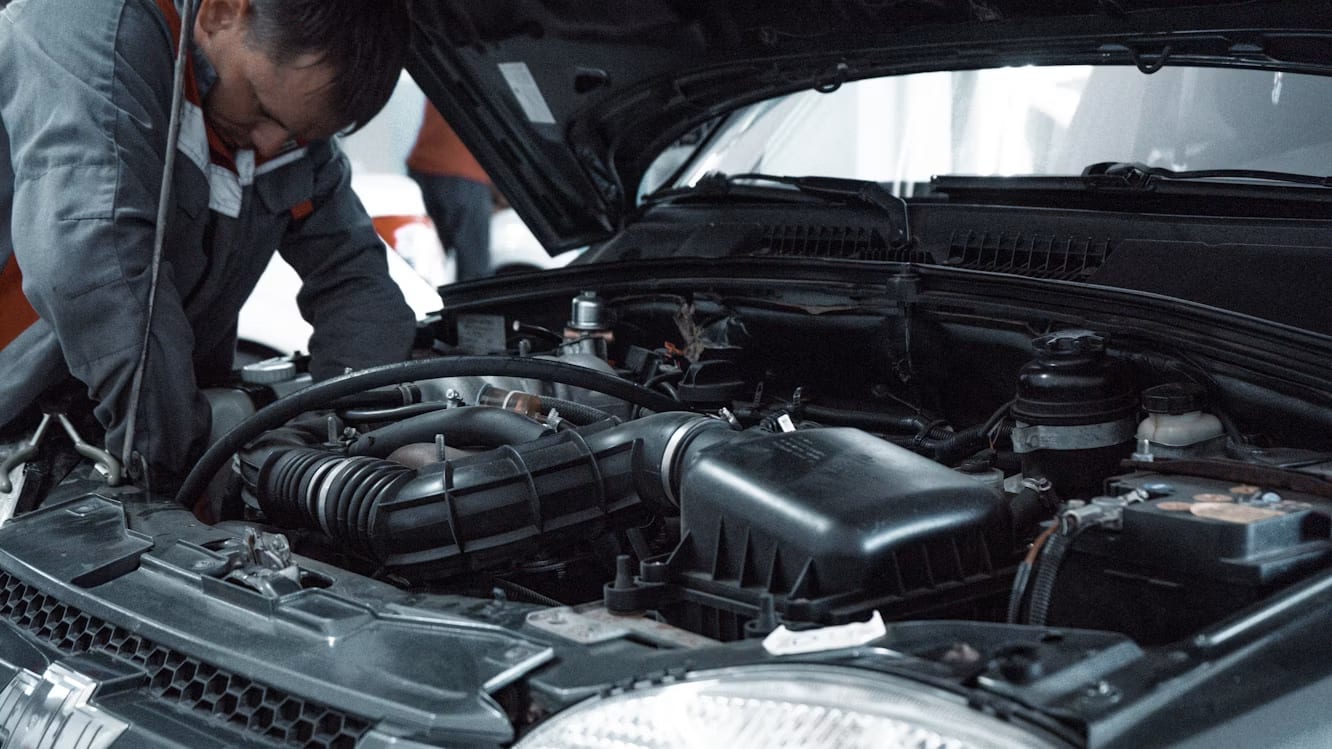
When symptoms persist, arrange automotive repairs before the issue affects related components. Give the technician specific details, including when the symptom began, where it occurs, and whether temperature or speed changes it. For example, "a vibration between 55 and 65 mph" provides more useful information than "the car feels strange." Prompt diagnosis can limit damage and make repair estimates easier to understand.
Protect tires, brakes and alignment
Check tire pressure at least once a month when the tires are cold. Use the pressure listed on the driver-side door label, not the maximum printed on the tire. Incorrect pressure can hurt handling, shorten tread life and reduce fuel efficiency.
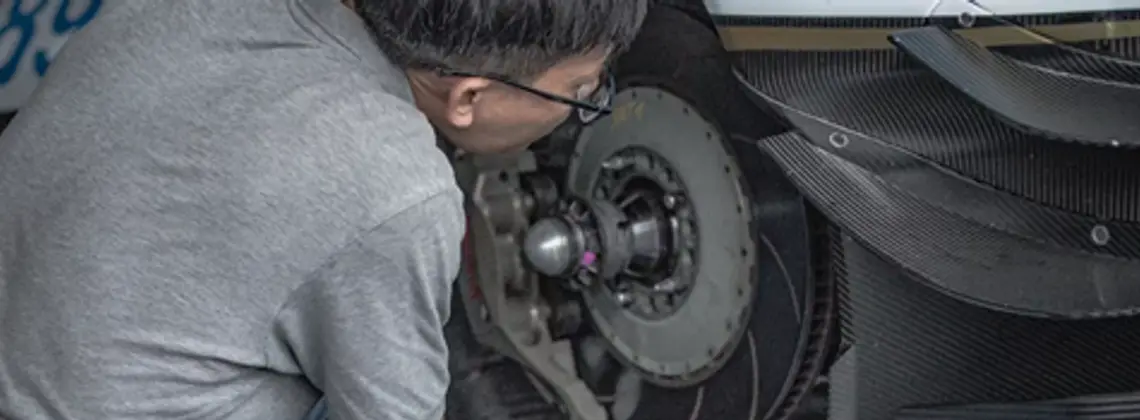
Look across each tread for uneven wear. Extra wear along one edge may point to an alignment issue, while wear in the center can result from overinflation. Rotate tires at the manufacturer's recommended interval and have the brakes inspected if you hear grinding, feel pulsing in the pedal, or notice longer stopping distances. These components work together, so delayed service in one area can affect the others.
Pay attention to fluids and temperature
Engine oil receives plenty of attention, but coolant, brake fluid and transmission fluid also influence reliability. Check fluid levels and follow the owner's manual, and investigate any sudden drops. A puddle under the vehicle, a sweet smell or repeated overheating requires prompt service.
Temperature changes can expose weak batteries, aging hoses and worn belts. Before a season of very hot or cold weather, inspect rubber components for cracks, swelling or frayed edges. The advice in this overview of optimal car performance factors also highlights the connection between regular inspections and dependable operation. Never remove a coolant cap while the engine is hot, since the system may be under pressure.
Use daily habits to reduce wear
Smooth driving puts less strain on tires, brakes, and the drivetrain. Leave enough following distance to brake gradually and avoid rapid acceleration when the engine is cold. If most of your trips cover only a mile or two, an occasional longer drive may help the engine reach its normal operating temperature, provided the vehicle has no active warning lights or known mechanical problems.
Keep unnecessary cargo out of the trunk, wash road residue from the body, and address damaged seals before water enters the cabin. Review your maintenance records every few months, too. If a tire rotation or fluid service is approaching, booking it before the due date keeps the vehicle's care routine steady and predictable.
Reliability usually shows up in ordinary moments: a quick start on a cold morning, stable handling on the highway, and no unfamiliar light on the dashboard. Accurate records and timely inspections help keep those ordinary moments from turning into expensive interruptions. What that upkeep is worth in cash terms is a separate calculation, and what dealers charge in fees and taxes is the other half of it.