





















In this article
Cars often give audible warnings before a minor fault becomes an expensive repair. The location, timing and character of a sound can help you explain the problem clearly to a technician. This guide to unusual car noises covers common causes and the safest response. Turn off the radio, note when the noise occurs, and avoid driving if the vehicle also loses power, handles poorly, or produces smoke.
Squeaks and Squeals
A high-pitched squeal during braking often points to worn brake pads, though moisture and surface rust can cause brief noise after the car has been parked. A persistent squeal, grinding sound, or change in pedal feel calls for prompt service. This overview of regular brake checks explains why early inspections matter.
Squealing from under the hood may come from a slipping drive belt or a worn pulley. Note whether it happens during startup, acceleration, or steering. If the sound grows louder quickly, shut off the engine and arrange an inspection instead of waiting for the belt to fail.
Rattles and Clunks
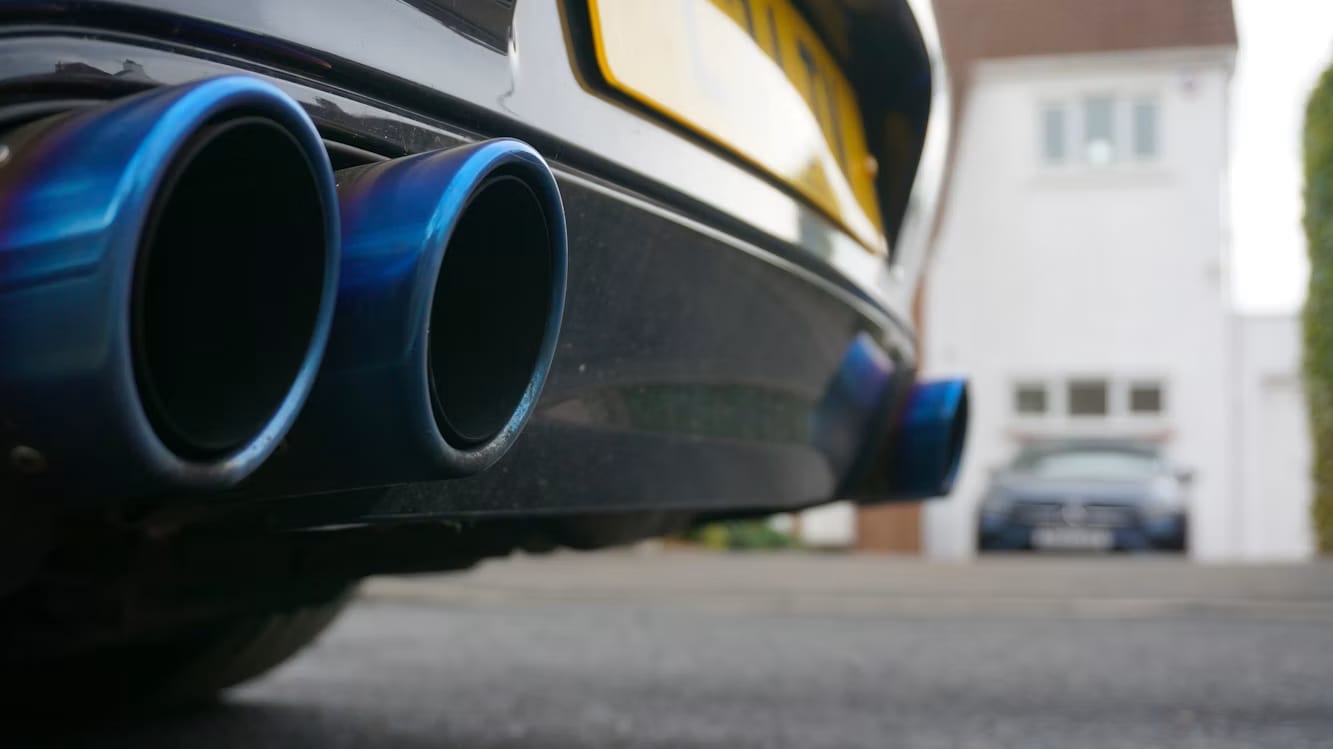
Rattling underneath the car often comes from a loose heat shield, damaged exhaust hanger or internal muffler failure. You may hear it while idling, crossing rough pavement or accelerating from a stop. Since exhaust components face heat, vibration and road debris, even a small loose connection can get worse quickly.
A louder exhaust note combined with rattling or fumes may require fast muffler repair, particularly for drivers in Franklin, Brentwood, Nashville and Williamson County. Meanwhile, a clunk over bumps may indicate worn suspension parts. Avoid high speeds if the car feels unstable, pulls to one side or continues bouncing after a bump.
Hisses and Whistles
A hiss after turning off the engine can indicate pressurized coolant escaping from a hose, radiator or reservoir. Never remove a radiator cap while the engine is hot. Steam, a rising temperature gauge, or a sweet smell means you should stop driving and let the engine cool in a safe location.
Whistling during acceleration may point to an air leak in an intake hose, while a steady hiss near a tire suggests a puncture. Check tire pressure only when it's safe to do so. If pressure falls again after inflation, install the spare if conditions allow or call for roadside help.
Roars, Rumbles and Leaks
A sudden roar during acceleration often signals an opening in the exhaust system. Listen for changes tied to engine speed and check whether the sound seems strongest beneath the front, middle or rear of the car. Exhaust odors inside the cabin require immediate attention. Open the windows, stop safely and have the vehicle towed.
A low rumble that changes while turning may come from a wheel bearing. Fluid spots offer other clues: green, pink or orange liquid may be coolant, while dark brown fluid may be engine oil. Clear water beneath the passenger side is commonly condensation from the air conditioner and usually isn't a concern.
The Check Engine Light
The check engine light may appear with no obvious sound, or it may accompany rough idling, knocking, and reduced power. A steady light generally allows time to schedule diagnostic service, but you shouldn't ignore it for weeks. The onboard diagnostics system stores fault codes that help a technician identify the affected system. A code provides a starting point, not a guaranteed diagnosis.
A flashing light can indicate severe misfiring that may damage the catalytic converter. Reduce speed, avoid hard acceleration, and stop driving if the engine shakes or loses power. Record when the light appeared, along with any noise, odor, or performance change. Those details can shorten diagnostic time and help prevent unnecessary part replacement.
Your phone can help capture an intermittent sound, but record it only while parked or ask a passenger to do it. A 10-second clip paired with notes about speed, engine temperature, and road conditions gives the repair shop something concrete to investigate. What a repair should cost once it is diagnosed is a separate question, and one worth checking against what dealers charge in fees and taxes before you agree to the work.