


















Your car’s ability to stop matters just as much as its ability to go. We often focus on how well an engine performs or how much fuel a car uses, but the braking system is probably the most important safety feature a vehicle has.
Keeping it maintained means it will work right when you need it most. Still, people often ignore it until there’s a clear, urgent problem.
Beyond the Basics of Car Safety
When we think about car safety, things like airbags and seatbelts usually come to mind. These are passive safety features, meaning they protect you if you get into an accident. But your braking system is an active safety feature. It works to stop an accident from happening in the first place. This difference is key. Taking care of your brakes is a direct way to help yourself avoid crashes.
A well-maintained system stops your car reliably and predictably. This gives you the control you need to react to sudden dangers on the road. If you skip routine checks, you’re not just risking a more expensive repair later. You’re also messing with your car’s most basic safety function, which can lead to dangerous situations where your car doesn’t stop as you expect.
Signs Your Brakes Need Attention
Your car usually gives you clues when its brakes need attention. Learning these signals can help you fix issues before they get serious. Watch out for these signs:
- Strange Noises: A high-pitched squeal when you first hit the pedal is common. This often comes from a built-in wear indicator on your brake pads. If you hear a deep grinding or growling, it could mean the pads are completely worn down and metal is scraping metal. That needs immediate attention.
- Different Pedal Feel: If the brake pedal feels spongy or sinks to the floor easily, you might have air in the hydraulic lines or a problem with the master cylinder. A pedal that’s unusually hard to push can also signal an issue.
- Vibrations: If you feel a pulsing or vibration through the brake pedal or steering wheel when you brake, that’s a classic sign of warped rotors.
- Car Pulling: If your car pulls to one side when you brake, it might be a problem like a stuck caliper or brake pads that are worn unevenly.
- Dashboard Warning Light: The most obvious sign is the brake warning light. If it lights up on your dashboard, it’s a clear message that it’s time to stop and check your brakes.
What Happens During a Brake Inspection
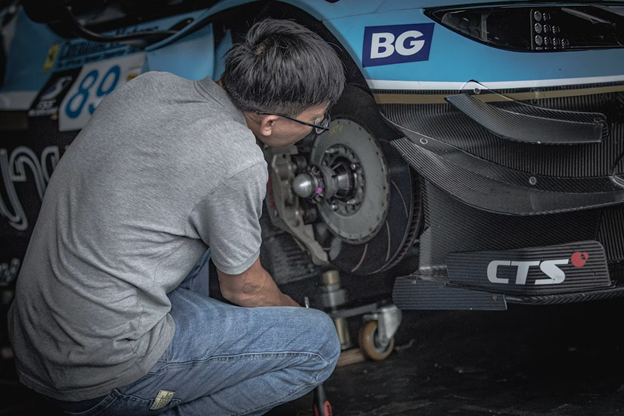
A professional brake inspection is a thorough check, not just a glance. To help you understand the process, here’s what a technician typically does. They’ll take off your wheels to get a clear view of the brake parts. They measure the thickness of your brake pads and shoes to see how much life they have left.
They also carefully check the rotors or drums for any warping, deep grooves, or hot spots. The inspection includes checking the brake fluid level and condition, since old fluid can absorb moisture and stop working well.
Finally, the technician looks at the brake lines for cracks or leaks and makes sure the calipers move freely. Knowing these basic parts of the braking system helps you see why each step is important for overall safety and performance.
Extending the Life of Your Braking System
While brake parts are made to wear out eventually, how you drive can help them last longer. A few small changes can reduce wear and tear, saving you money and keeping your brakes in top shape for more time.
- Anticipate Traffic: Don’t tailgate, and look far down the road. This gives you more time to react, letting you slow down by just taking your foot off the gas instead of slamming on the brakes.
- Lighten Your Car’s Load: The heavier your car, the more effort it takes to stop it. Removing heavy, unnecessary items from your trunk or cargo area reduces the stress on your brakes.
- Use Engine Braking on Hills: When you’re going down long, steep hills, shift your automatic transmission into a lower gear. This uses the engine’s resistance to help slow the car, which stops your brakes from getting too hot.
- Follow a Service Schedule: Don’t wait for a warning sign. Get your brakes inspected at the times recommended in your owner’s manual, or at least once a year.
Taking care of your brakes proactively is a basic part of being a responsible car owner. It’s not just about avoiding expensive repairs. By knowing the warning signs and getting regular inspections, you make sure your car is ready to stop safely when it matters most.