














In this article
A hidden GPS tracker for a car can help you monitor a vehicle without installing a visible device on the dashboard. The problem is choosing the right tracker because battery life, location updates, cellular coverage, and installation can vary widely between models.
The good news is that you don’t need to compare every specification. Focus on four things: power source, reporting frequency, cellular reliability, and mounting. Get those right, and you’ll have a tracker that fits your vehicle, your driving habits, and the level of monitoring you need.
Key Takeaways
- Judge a tracker on power, coverage, alerts, and mounting, not just price.
- Magnetic trackers suit portable or temporary monitoring.
- Hardwired units suit permanent installs and fleet vehicles.
- Trailers and equipment need different features than daily-driver cars.
- Always add subscription cost to the hardware price before comparing options.
- A physical inspection remains the most reliable way to find an unauthorized tracker.
What Is a Hidden GPS Tracker for a Car?
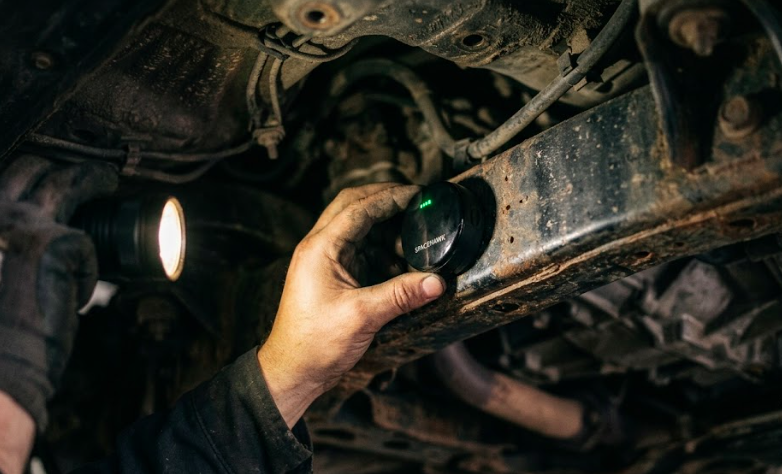
A hidden GPS tracker for a car is a small device that uses GPS or GNSS to determine the vehicle’s location, then sends that data over a cellular network to an app or web dashboard. Battery-powered models can attach magnetically, while hardwired units connect to the vehicle’s electrical system for continuous power.
Magnetic trackers are quick to install and easy to move between vehicles. Hardwired trackers stay in place and draw power from the vehicle, so you don’t have to remove and recharge them. The right type depends on how you plan to use the tracker, how often the vehicle moves, and whether portability or permanent installation matters more.
The same logic applies beyond cars. For trailers and equipment that share similar power and mounting challenges, a purpose-built Spacehawk trailer GPS tracker follows the same magnetic-or-hardwired principle, just adapted for assets that don't have a dashboard.
What to Check Before Buying
Choosing a hidden GPS tracker gets easier when you focus on the features that affect daily use. Battery life, update frequency, cellular coverage, mounting, and subscription cost determine how reliably the tracker works and how much you’ll spend over time.
Battery life
Runtime depends on update frequency, movement, temperature, and battery size, not just the number on the box. Look for a specific range, such as "one to three weeks on a moving vehicle, longer in power-saving mode," rather than a vague "long battery life" claim.
Update frequency
A tracker reporting every few seconds builds a much more detailed route than one checking in once a minute. Faster reporting also uses more battery and data, so the fastest setting isn't automatically the right one for every vehicle.
Cellular coverage
GPS finds the vehicle; the cellular network delivers that location to your phone. A tracker can have a perfect GPS fix and still fail to report if there's no signal. Underground garages, remote roads, and weak-coverage areas can all create temporary gaps. Some devices store data locally and upload it once the connection returns; others simply lose that window.
Mounting
A magnetic tracker needs a solid metal surface and, for exterior placement, weatherproofing (an IP67 rating is a reasonable minimum). Metal blocks GPS signal, so the mounting spot has to balance concealment with a clear view of the sky.
Subscription cost
Real-time tracking almost always requires a data plan. Compare hardware price plus the ongoing subscription over one to two years, not just the sticker price. A few products bundle a year of service with no monthly fee, which can change the math significantly.
Magnetic or Hardwired?
| Tracker type | Installation | Power | Best use |
|---|---|---|---|
| Magnetic | Attaches to a metal surface | Internal battery | Portable or temporary tracking |
| Hardwired | Wired into vehicle power | Vehicle battery | Permanent, long-term monitoring |
| OBD-II | Plugs into diagnostic port | Vehicle battery | Easy install plus vehicle data |
| Personal | Carried or worn | Internal battery | People, bags, pets, belongings |
A hardwired unit has one clear advantage for high-use vehicles: nobody has to remember to remove and recharge it. For a fleet, that alone can save real maintenance time.
Where Trackers Get Hidden on a Car
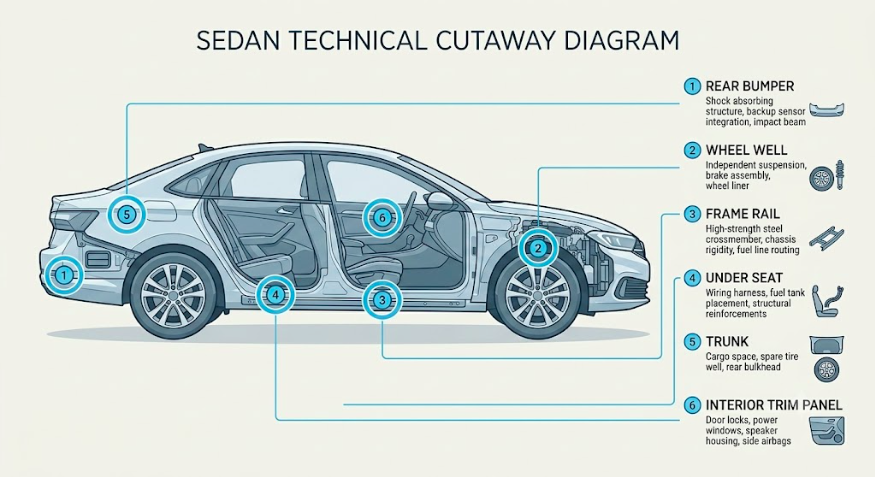
Placement matters just as much as the tracker itself. The wrong spot can block satellite reception entirely, while the right one keeps the device secure, hidden, and still able to get a clear view of the sky. Both installers and vehicle owners tend to favor a handful of reliable locations for exactly this reason. Here are the most common ones:
- Behind or under the bumper
- Inside an accessible wheel-well area
- Along a frame rail
- Under a seat
- In the trunk
- Behind interior trim
Avoid placing a tracker directly behind heavy metal, since that blocks satellite reception; plastic, fiberglass, and glass are far more GPS-friendly. Keep in mind that the ideal spot also depends on the specific device's antenna design, so it's best to follow the manufacturer's installation guidance rather than assume every tracker performs the same way in every position.
Buying Considerations by Region and Marketplace
Wherever you're buying, the checklist doesn't really change; only the details do.
By region
Confirm the tracker supports the local cellular network technology and bands, check the SIM arrangement, and verify app compatibility. Coverage varies enough between cities, highways, and rural areas that a tracker that performs well in one place may lag in another. For a permanent installation, professional fitting is worth the cost so the device is wired properly rather than tapped into a convenient wire.
Shopping online
Listings can look nearly identical in photos, so check the fine print instead. Confirm whether a subscription is required, whether a SIM is included, the stated update interval, whether there's a dedicated app, how much trip history is stored, what alerts are supported, and what the mounting case and warranty look like. Recent reviews are often more revealing than the spec sheet. Battery complaints, app bugs, and false alerts tend to surface only after months of real use.
Local installation
Makes the most sense for hardwired units, since an installer can route wiring cleanly and keep the device out of sight. Magnetic, battery-powered units are generally simple enough to install yourself. If you do use an installer, three questions matter more than the sales pitch: does it support local carrier networks, how is it powered, and what happens when the vehicle loses signal?
Why Trailer and Equipment Trackers Are Different
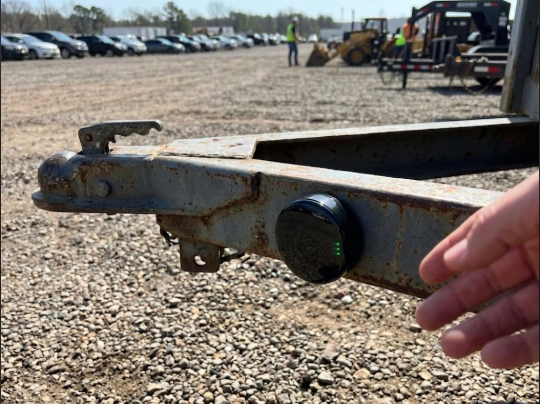
Trailers, generators, and construction equipment usually lack a convenient power source, so they rely on battery-powered trackers built around different priorities than a daily-driver car. Outlaw Trailer GPS, for instance, is built specifically for that use case: magnetic installation, movement and speed alerts, geofencing, and battery performance rated around one to two months at faster update rates, stretching to roughly a year in low-power mode. For a closer look at how the top picks compare on battery life, mounting, and price, see our comparison of magnetic trailer trackers.
A trailer might sit in storage for weeks, then travel hundreds of miles in a single day. That pattern makes battery management and movement alerts far more important than they are for a commuter car. The general lesson: choose the tracker around the asset's actual usage pattern, not the other way around.
Personal Trackers vs. Vehicle Trackers
A personal GPS tracker is built to be worn or carried, so it prioritizes compact size, comfort, battery life, and sometimes emergency features. A vehicle tracker faces vibration, weather, and road debris, so it prioritizes secure mounting, reliable connectivity, and environmental protection instead. If you're actually trying to track a phone rather than a vehicle, a location-sharing app is usually the better fit than a standalone hardware tracker.
How to Tell If Your Car Has a Hidden Tracker
Start with a physical inspection: underneath the vehicle, around wheel wells, under seats, in the trunk, and near the OBD-II port. Look for anything unfamiliar, loose wiring, or hardware that doesn't match factory components. Hardwired trackers require closer attention near the fuse box or other power sources, since an unfamiliar connection there could belong to an alarm, remote starter, fleet system, or tracker.
Don't assume unexplained battery drain proves a tracker exists. Aging batteries, electrical faults, and aftermarket accessories can cause the same symptom. If you find unfamiliar wiring, have an automotive electrician identify it before touching anything.
Can Someone Track Your Car Without You Knowing?
Yes, someone can attach a tracker without your knowledge, and the legality depends on ownership, location, and circumstances. For your own vehicle, a physical inspection is the reasonable first step; a cellular tracker won't necessarily show up in your phone's Bluetooth settings the way a Bluetooth tag would. When buying a used car, ask the seller directly about any aftermarket tracking equipment. Fleet vehicles, rentals, and dealership loaners may carry tracking or telematics hardware for legitimate business reasons.
Is There a GPS Tracker That Can't Be Detected?
No. A physical inspection finds most magnetic devices, and electronic sweep tools can catch some transmitting units, though a tracker that's inactive during the inspection is harder to locate. Phone-based detection has real limits, too. Bluetooth tags like AirTags can trigger unwanted-tracking alerts on some phones, but a cellular tracker communicates differently and won't reliably show up the same way. If you suspect one, don't rely on a single app to settle the question.
Conclusion
Choose a tracker around the vehicle's power source, cellular coverage, mounting location, and how often you actually need updates. Magnetic units are the right call for portability; hardwired units make sense for long-term monitoring; trailers and equipment need longer battery life and stronger movement alerts than a typical car. Add hardware and subscription costs together before comparing prices, inspect any used vehicle for aftermarket tracking gear, and if you find something you don't recognize, get it identified before you remove it.
Frequently Asked Questions
Does a GPS tracker drain a car battery?
No, not if it's battery-powered. A battery-powered tracker runs on its own internal power and never touches the vehicle's battery. A hardwired unit is different since it draws power directly from the vehicle, so its power management system needs to be suited to the install to avoid draining the battery over time.
Does a tracker work when the car is off?
Yes, in most cases:
- Battery-powered units keep working while parked, since they don't rely on the vehicle at all
- Hardwired units can also stay active with the ignition off, but only if they're wired for continuous power rather than switched power
- Always confirm which wiring setup was used during installation
Can a tracker work inside a garage?
It depends on the structure. Underground concrete garages are the biggest problem, since thick concrete and rebar can block both satellite and cellular signals at the same time. Expect temporary reporting gaps in these conditions rather than a total loss of function.
How long should a car GPS tracker last?
The hardware itself is built to last for years. That said:
- Battery-powered models will eventually need charging or a battery swap
- Hardwired models generally need less maintenance since they draw from the vehicle
- Warranty coverage varies quite a bit by manufacturer, so it's worth checking before you buy
Can a tracker record where a car has been?
Yes. Most connected trackers store trip history, though how much they keep depends entirely on the platform, with some services holding onto a full year of trip and stop data.