


In this article
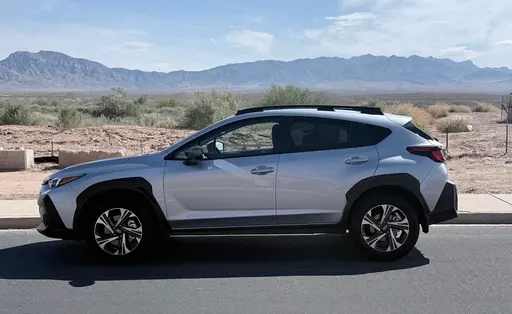
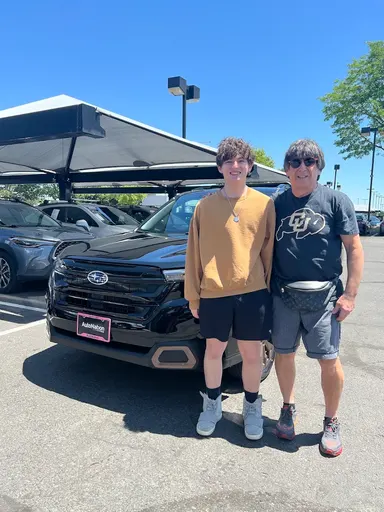
Most people believe car negotiations happen at a desk in a showroom. In reality, by the time you’re sitting at that desk, the important part is already over. A professional car negotiation service, sometimes called a car buying concierge or a buyer-side auto broker, does its work long before anyone walks in. In a real discovery call with a client named Rocco, who was shopping for a new Subaru Crosstrek, the full process came into view.
KEY TAKEAWAYS
- About this article: How a professional car negotiation service actually works, drawn from a real discovery call.
- The core principle: CCP is paid only by the client, never by a dealer, so every recommendation serves the buyer alone.
- The real negotiation: It happens before the showroom, through market research, competing quotes, and total out-the-door pricing.
- What buyers miss: Add-on fees, verbal promises, quiet vehicle swaps, and dealer-arranged financing markups.
- Where to watch: The full discovery call is available on the YouTube link below.
- Every CCP engagement is backed by a 30-day money-back guarantee (terms apply).
Why the Sticker Price Is the Wrong Thing to Negotiate
The biggest mistake buyers make? Negotiating the wrong number.
The sticker price and the monthly payment are both surface figures. The number that actually decides what you pay is the total out-the-door price:
- The base cost of the car
- Plus taxes
- Plus title and registration
- Plus every applicable fee
As Neel puts it: “It needs to be the total out-the-door pricing… that way you have full visibility as to what the pricing looks like.”
Here’s why it matters: a dealer can happily drop the sticker price, then rebuild the difference through fees and add-ons. Negotiate anything other than the final out-the-door figure, and you’re negotiating a number the dealer doesn’t mind losing.
Want to see your real number? Map every cost with theCCP Out-The-Door Price Calculator.
Behind Every Great Deal Is One Team. Meet Car Concierge Pro
Neel Mehta is the founder and chief negotiator at CCP, a TEDx speaker, and a Biomedical Informatics graduate from Arizona State University. He never came from an automotive background. He started CCP after facing dealership tactics himself and realizing how few buyers had a professional negotiator on their side.
CCP is the structural opposite of a dealership. It holds no inventory, so there’s no car to push, only your requirements.
“We do not own or have any vehicle with us, so we work exactly as per your requirements.”
The numbers behind the team:
- 1,200+ clients served
- $6.78M+ negotiated in client savings
- 120+ reviews at a 4.8 rating
- BBB A+ accredited
- Two 2025 Corporate Vision Awards
- Serving the USA, Canada, and UAE, Monday to Saturday
The Best Deal Is Rarely at Your Nearest Dealer
A professional car buying service doesn’t stop at the closest dealership. It searches wider, because the lowest price is usually somewhere you wouldn’t have looked.
For Rocco, CCP searched:
- Every dealer for that brand in his area first
- Then outward in rings: 50, 100, then 200 miles
- Across 18+ platforms, including Cars.com, CarGurus, Autotrader, CarMax, KBB, and TrueCar
Anywhere a matching car is listed, it enters the research.
Timing mattered too. Rocco was open to a prior-year model, and the call landed at quarter’s end.
“Since we’re at the end of the quarter, I’m hoping there will still be some units they’re wanting to get rid of.”
His instinct was right. A prior-year car taking up lot space is one a dealer is motivated to move, and that’s exactly where the deepest discounts live.
Every option lands in a live shared spreadsheet, refreshed every two to three days:
- The dealer and distance
- Available colors
- The contact person’s direct number
- The initial out-the-door quote
- The team’s notes on each car
Why Distance Can Be Cheaper Than Convenience
A car five hundred miles away sounds impractical. Run the math and it often isn’t.
Shipping runs roughly $1 per mile. So a hundred miles adds around $100, and five hundred miles adds around $500. Set that against the price gap and the picture changes quickly.
Neel’s worked example from the call:
- A Subaru twenty miles away at $30,000
- The same Subaru five hundred miles away at $26,500
- Add $500 shipping, and the distant car lands at $27,000
Three thousand dollars cheaper, delivered. That comparison only exists if someone is calculating landed cost rather than reading listing prices, which is the whole argument for a national search over a local one.
The Information Dealers Don't Get (And Why It Saves You Money)
One of the most valuable moves a buyer-side service makes happens before any price is discussed: controlling what the dealer knows.
“We don’t let the dealership know whether you are going to pay in cash, or whether it’s finance, or whether it’s a lease deal, until the very final moments.”
This is deliberate. A dealer prices differently depending on how it expects to profit:
- If it knows financing runs through your own bank, it loses the loan markup
- If it knows you’re emotionally committed, it holds firm on price
- If it knows your budget, it prices right up to it
Keeping your payment method and identity private does two things:
- It preserves your leverage all the way to the final number
- It shields you from the daily “buy today or lose the deal” pressure calls
How Making Dealers Compete Drives the Price Down
Negotiation starts only once every quote is in, and it never involves the frontline salesperson.
“We always go to the internet sales manager, to the director of the dealership, or to the pricing manager, because they only have the access as well as the power to lower the price.”
Then those decision-makers are made to compete against each other:
- One offers $33,000
- Another gets pushed to $31,000
- A third drops to $30,000
Simple to describe. Genuinely hard to do, which is much of why a professional negotiation service earns its place.
“It takes ten to fifteen minutes to get someone on the call, then another ten minutes to get the manager on the call. Then we have to build that rapport.”
The Extra Fees You Can Decline
One theme comes up again and again: a stack of add-on fees that can quietly raise a fair price.
The ones worth reviewing:
- Tint fee
- Etch fee
- Security fee
- Paint fee
- Convenience fee
“These are all the fees which you gotta never pay, because it is just those line items where the dealership is trying to increase the profitability.”
These charges are dealer margin presented as official costs. They’re how a $30,000 car can move toward $35,000 after you’ve agreed to the headline number. A professional negotiator identifies and removes them before the deal closes, not after.
Why a Written Price Matters
A price agreed on the phone becomes real once it’s in writing.
“We never believe dealerships on their verbal commitments. We get confirmed pricing in writing for our internal review before we proceed.”
CCP locks in the written figure before you’re ever introduced to the dealership for final paperwork. The rule is simple:
- If it’s on the buyer’s order, it’s confirmed
- Written pricing is what protects your final number
- Everything is documented before you commit
Verifying the Vehicle Before You Buy
Rocco raised a fair concern: “Would you have the car inspected? Because I don’t trust the dealerships either.” CCP uses three layers, and they apply even to a brand-new car.
| Layer | What it does | Typical cost |
|---|---|---|
| Carfax report | Reveals the true registration date; a “new” car registered months ago has been sitting on the lot | Included |
| Dealership Inspection Report | A full 110-point service center inspection of engine, transmission, fluids, brakes, and tires, in 24 to 48 hours | ~$200 to $250 |
| Independent third-party inspection | A trusted local expert, unaffiliated with the dealer, road-tests and inspects the car before purchase | ~$100 to $200 |
The Carfax point is sharper than it looks: a dealer can truthfully call a car “brand new” while it’s been depreciating on the lot for six months, and the registration date exposes it. For any used vehicle, it’s also worth checking open recalls independently through theNHTSA recall lookup.
The rule underneath all three is simple: “If a dealership says we’ll not let you do this, guess what? It’s time to walk away, because then there is something fishy in that deal.”
Why Price and Financing Stay Separate
A car negotiation service keeps price and financing as two separate conversations. Bundling them is how dealer markups slip in.
Rocco had already arranged his own loan, with a draft check in hand and ninety days of validity on it. That let CCP:
- Negotiate the purchase purely on price
- Tell the dealer only at the final stage that funding was external
- Keep the loan markup off the table entirely
Even buyers who haven’t arranged financing gain from separating the two, since a dealer-arranged rate often runs higher than what the same buyer’s bank or credit union would offer.
Finishing the Paperwork From Home
Once price and financing are settled, the paperwork can be completed without visiting the dealership at all.
Here’s how it flows:
- CCP requests a buyer’s order showing MSRP, the discount, taxes, and the final price
- The buyer’s bank approves it
- The dealer places a lien, and the buyer makes the down payment
- The bank sends the balance directly
- Delivery proceeds only once both the bank’s confirmation and the dealer’s acknowledgment are in hand
How Your Car Is Protected on Delivery Day
Rocco asked directly: “Do you have any mechanisms to prevent the dealers from selling the car from under you?”
Two protections cover this:
- A deposit locks the price, so the car is held for you
- A full match at signing confirms you’re getting the exact car negotiated
That second point guards against a quiet swap, where a near-identical car with fewer accessories, or a lightly used loaner, gets presented as new.
“We map the VIN, the build document, and the buyer’s order. When we’re signing the paperwork we look at the odometer.”
At the moment of signing, CCP checks:
- The VIN
- The build sheet
- The accessories
- The mileage on the odometer
Delivery itself is handled for you. For vehicles within a short radius, two dealership drivers bring the car to your address, park it where you want it, and hand over the keys. You review and sign the paperwork at home. Some dealerships ask you to cover their ride back, typically $50 to $100, and many treat it as complimentary. For vehicles further out, the car ships either through a third-party transporter or the dealership’s own shipping, arranged once financing is settled.
You Always Know Who to Call
Every engagement comes with three named levels of support, each with a direct number:
- L1, your associate concierge, the day-to-day contact
- L2, the concierge manager who oversees the engagement
- L3, Neel Mehta, the founder, directly
Most services give you a shared inbox. This gives you a person, and then two people above them, before you ever need to escalate.
Why a Professional Negotiation Service Wins
The advantage isn’t secret knowledge. It’s repetition and time.
“We never get the final pricing from the dealership on day one. It is usually day three, day four, day five, once they start saying, ‘These guys are really serious.'”
Here’s the gap it closes:
- You buy a car every few years
- A car buying concierge does it every single day
- That means every tactic is recognized, every pressure point is expected, and time becomes leverage a one-day shopper never has
CCP recommends five to seven working days at minimum, and the fee stays the same whether the work takes two days or twenty.
One Flat Fee. One Loyalty.
CCP’s independence comes down to how it’s paid: no dealer kickbacks, no rewards, no back-end offers.
- The Car Buying Concierge engagement is $998
- Split as $499 at kickoff and $499 on delivery
- Paid by the client alone
A service paid only by buyers works only for buyers. That structure is the entire product.
The same buyer-side model runs across CCP’s other services, from lease negotiation to trade-in, all shown in theCCP client stories.
The Car Concierge Pro Difference
- Paid only by the client, never by a dealer, shipper, or inspector
- A live shared spreadsheet, refreshed every two to three days
- 18+ platform search plus every dealer in an expanding radius
- Payment method and buyer identity kept private for leverage
- Negotiation with decision-makers across competing dealerships
- Add-on fees identified and removed before closing
- Three-layer inspection, even on new cars
- VIN, build-sheet, and odometer verification at signing
- Three named levels of support, up to the founder
- Support through delivery, so the negotiated deal is the delivered deal
Every engagement is backed by CCP’s 30-day money-back guarantee. Terms apply.
Real Deals. Real CCP Client Savings
| Vehicle | Savings |
|---|---|
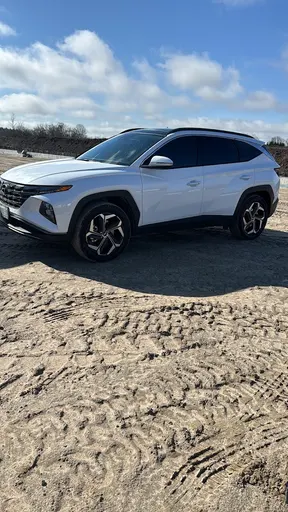
| Hyundai Tucson | $3,500 |
| Lexus GX550 | $3,800 |
| Lexus NX350h | $4,500 |
| BMW X3 | $7,592 |
| Audi S5 Coupe Premium Plus | $8,070 |
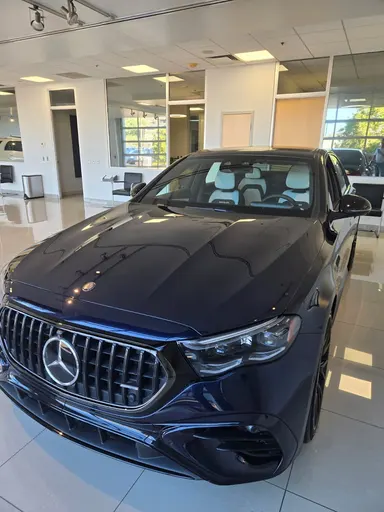
| Mercedes-Benz S500 4MATIC | $22,334 |
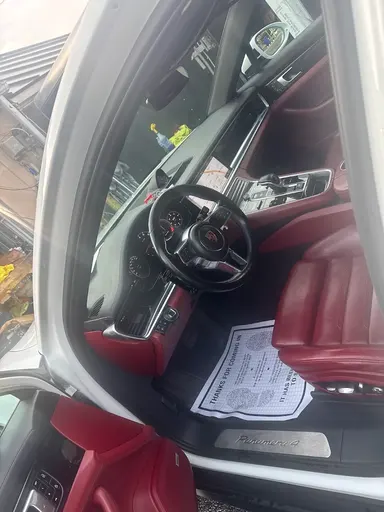
| Porsche Panamera 4S | $52,337 |
| Bentley Bentayga EWB | $60,174 |
| Rolls-Royce Ghost | $111,368 |
Every result reflects a real CCP client engagement. Client names are withheld for privacy.
Sound Like You?
- You want an expert handling the dealership conversation for you
- You want the total out-the-door price negotiated, not the monthly payment
- You want add-on fees identified and stripped before you sign
- You want a car verified before you commit, not after
- You’d rather not spend a Saturday in a showroom
- You want time used as leverage on your behalf
- You want someone whose only incentive is your outcome
Frequently Asked Questions
Is it worth paying someone to negotiate a car price?****
For most buyers, yes. A car negotiation service typically saves more than its fee on the final price alone, plus the value of inspection, verification, and written pricing protection.
Should I tell a dealer I’m paying cash?****
No. Keep your payment method private until the price is agreed, since a dealer that expects a financing markup may quote differently once cash removes it.
Can I negotiate dealer fees?****
Yes. Tint, etch, security, paint, and convenience fees are dealer margin, not government charges, and can be declined.
When is the best time to buy a new car?****
End of month, end of quarter, and end of model year, when dealers are most motivated to move prior-year inventory off the lot.
Should I negotiate the price before discussing financing?****
Yes. Settle the out-the-door price first, then handle financing separately, so the two can’t be blended to hide a markup.
How do I know if a quoted price is actually fair?****
Benchmark it before you negotiate. TheKelley Blue Book fair purchase price tool gives you a starting range for the trim and configuration, then compare that against live listings nationally rather than one local quote.
Do I need to inspect a brand-new car?****
Yes. Even a new car can have sat on the lot for months, so check the Carfax registration date and get a service center inspection before you commit. It is also worth running the VIN through theNHTSA recall lookup, since open recalls exist on new vehicles too and are repaired free.
Is it cheaper to buy a car out of state?****
Sometimes. Shipping runs about $1 per mile, so a car several hundred miles away can still cost less delivered if the price gap is wide enough. Compare landed cost, not listing price.
How much can a car buying service save me?****
It varies by vehicle, from a few thousand on a mainstream car to five figures on luxury models, always measured on the total out-the-door price.
Buyer-first, every step. No dealer incentives. Full transparency.
Every engagement is backed by CCP’s 30-day money-back guarantee (terms apply).
📞 +1 (480) 418-6390
🌐 carconciergepro.com