









































In this article
“When should I really change my synthetic oil?” If you’ve ever asked yourself this, you’re not alone. Knowing the right interval for synthetic oil is crucial to protecting your engine, saving money, and avoiding costly repairs. Unlike conventional oil, synthetic oil is engineered to last longer, resist extreme temperatures, and reduce engine wear, but its lifespan depends on several factors, including driving habits, climate, and vehicle type.
Scheduling a routine Oil Change Houston is an easy way to stay on top of maintenance and ensure your engine continues to perform at its best. By keeping up with regular synthetic oil changes, you can maximize engine life, maintain efficiency, and prevent costly repairs before they happen. Let’s break down everything you need to know about synthetic oil change intervals so you can make informed decisions for your car.
What Is Synthetic Oil and Why It Lasts Longer
Lorem ipsum dolor sit amet, consectetur adipiscing elit. Ut elit tellu
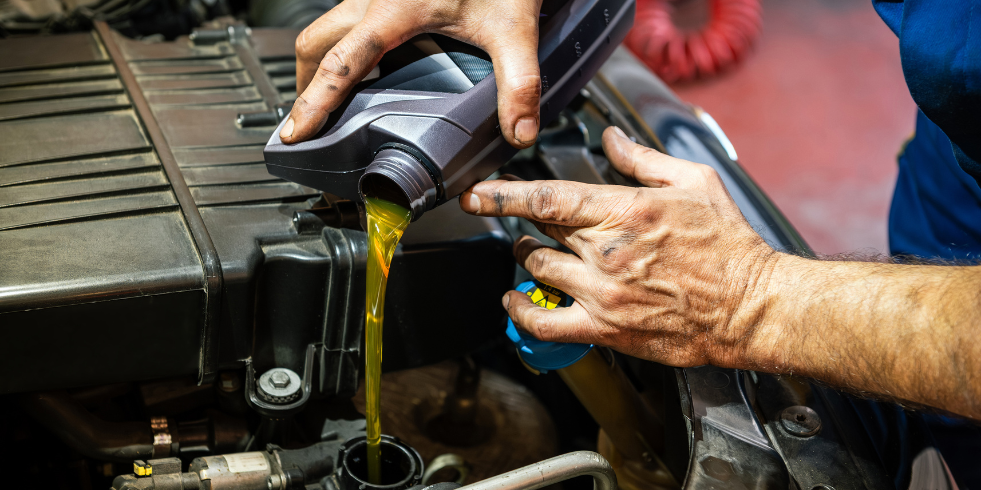
Synthetic oil is a man-made lubricant designed for superior engine protection. Unlike conventional oils, which are refined from crude oil, synthetic oils have uniform molecular structures that allow them to:
● Withstand extreme temperatures without breaking down.
● Reduce friction and engine wear.
● Keep engines cleaner by preventing sludge and deposits.
For drivers who want reliable service, finding a convenient Oil Change Near Me ensures your engine stays protected, performs optimally, and receives timely maintenance.s, luctus nec ullamcorper mattis, pulvinar dapibus leo.
How Often Should You Change Synthetic Oil?
Most manufacturers recommend 7,500-10,000 miles or 6 months for standard synthetic oil. High-mileage or premium synthetic oils can often last 10,000-15,000 miles or up to 12 months.
Even if your mileage is low, time matters. Oil naturally degrades over months due to moisture, contaminants, and chemical breakdown, so yearly changes are typically advised.
Pro tip: Adjust your oil change schedule based on your driving conditions, climate, and engine type to ensure maximum protection. By following recommended intervals, you not only extend engine life but also maintain fuel efficiency and performance. For added peace of mind, you can check with a trusted Auto Repair Near Me to make sure your vehicle stays in top condition and receives proper maintenance on schedule.
Factors That Affect Oil Change Intervals
Several variables can impact how often you should change your synthetic oil:
Driving Conditions
● City vs. highway: Stop-and-go traffic and short trips put extra stress on oil. Highway driving is gentler on synthetic oil.
Towing or heavy loads: Increases engine stress, requiring more frequent changes.
Climate and Temperature
Extreme heat or cold can accelerate oil breakdown, even for synthetic oil. Vehicles operating in hot climates may need more frequent changes, while extreme cold can affect flow and lubrication efficiency.
Engine Type and Age
High-performance and turbocharged engines benefit most from synthetic oils, while older engines may need more frequent checks depending on wear. Regular monitoring ensures your engine receives adequate protection.
Oil Quality
Not all synthetic oils are equal. Premium brands last longer and provide better protection, whereas lower-quality oils may require more frequent changes. Using a high-quality oil also helps reduce sludge buildup and keeps your engine cleaner over time.
By monitoring these factors, you can tailor your oil change schedule to your vehicle and driving style. This ensures both long-term reliability and optimal engine performance.
Signs Your Synthetic Oil Needs Changing
Even if you haven’t hit your mileage limit, watch for these warning signs:
● Dark or dirty oil: Fresh synthetic oil is amber or light brown. Dark, gritty oil signals contamination.
● Engine noise or knocking: Reduced lubrication causes unusual sounds.
● Warning lights: Modern cars have sensors to alert you about oil health.
● Reduced fuel efficiency: Old oil increases friction, lowering efficiency.
Noticing any of these signs is a signal to take action. Consulting a trusted [Auto Repair Near Me] can prevent engine damage and costly repairs.
Synthetic vs. Conventional Oil: How Often Should Each Be Changed?
One major benefit of synthetic oil is its longer interval between changes.
● Conventional oil: Needs changing every 3,000-5,000 miles or 3-6 months.
● Synthetic oil: Typically lasts 7,500-15,000 miles or 6-12 months.
Synthetic oil also resists breakdown, protects engines in extreme temperatures, and keeps engines cleaner, which means fewer oil changes and reduced wear over time. While it costs more upfront, fewer oil changes and better engine protection often make it more cost-effective in the long run.
Tips to Maximize the Life of Your Synthetic Oil
Here are actionable ways to ensure your synthetic oil lasts as long as possible:
-
Check oil levels regularly to prevent wear caused by low oil.
-
Avoid extreme engine stress such as towing heavy loads or high RPM driving.
-
Use manufacturer-recommended oils for your engine type.
-
Limit short trips where the engine doesn’t reach full operating temperature.
-
Maintain a clean engine to reduce contaminants that degrade oil.
By following these simple steps, your synthetic oil can maintain its performance for longer, saving you time and money while protecting your engine.
Can You Mix Synthetic and Conventional Oil?
Many drivers wonder if it’s safe to mix oils. The short answer: yes, but it’s not ideal. Mixing oils doesn’t harm the engine immediately, but it may reduce the performance benefits of synthetic oil. For optimal protection and extended oil life, stick to one type whenever possible.
Peak Performance
Changing synthetic oil on time is one of the easiest ways to keep your engine running smoothly and efficiently. By following recommended intervals, monitoring driving conditions, and paying attention to warning signs, you can protect your engine and maintain optimal performance.
Even with premium synthetic oil, regular maintenance, such as checking oil levels, following manufacturer guidelines, and scheduling timely service, is essential. Taking care of your engine today ensures years of reliable performance, fewer repairs, and improved overall efficiency.