







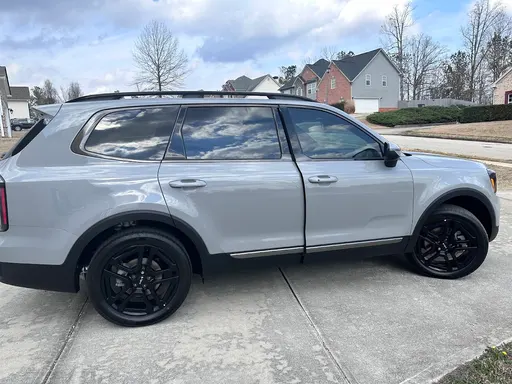






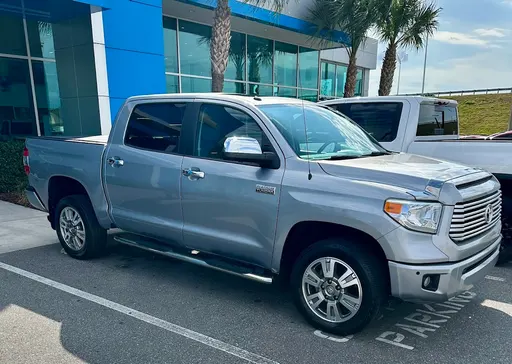

















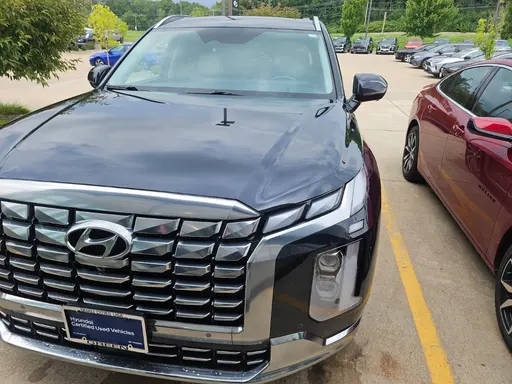


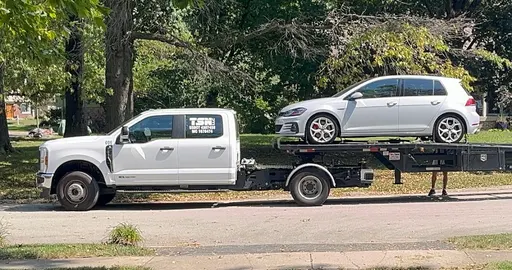





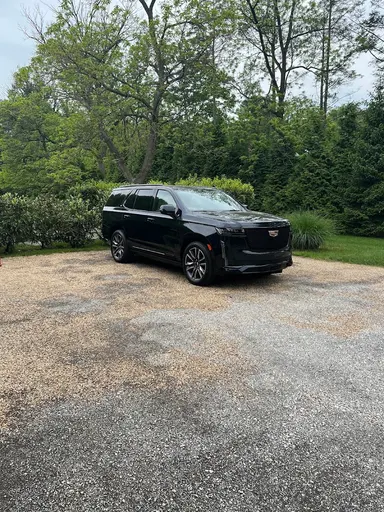
For many small businesses, a fleet of vehicles isn’t just a big investment; it’s essential for daily operations. Managing these vehicles well is key to keeping costs down and making sure your business runs smoothly. From buying them to daily use and upkeep, a smart approach to fleet management can save you a lot of money and make everything more efficient. To really get the most out of your fleet financially, it’s vital to understand all the costs involved, including the often-missed hidden costs that come with getting new vehicles.
Optimizing Fleet Acquisition
Picking the right vehicles sets the stage for an efficient fleet. This means looking past the initial price tag and thinking about the Total Cost of Ownership (TCO). TCO includes things like how much fuel a vehicle uses, its likely maintenance costs, insurance, and what it will be worth when you sell it. Before you buy any vehicle, ask if it’s truly right for the job. A smaller, more fuel-efficient car might be perfect for sales calls in the city, but a ute or van is often necessary for trade services.
Deciding whether to buy or lease is another big step. Leasing can mean lower monthly payments and access to newer vehicles, which often reduces maintenance worries. Buying, on the other hand, builds equity and gives you more freedom from mileage limits. A detailed small fleet management guide can help you weigh the pros and cons for your business, making sure your acquisition strategy fits your financial goals.
Controlling Operating Costs
Once your fleet is out on the road, operating costs become the main focus. Fuel is often one of the biggest variable expenses, but there are several ways to manage it. Using telematics or GPS tracking can help you find the best routes, saving both time and gas. It also lets you keep an eye on how drivers are behaving, things like harsh braking or too much idling directly affect fuel consumption.
Preventative maintenance is another area where you can save a lot. Sticking to a regular service schedule stops small issues from turning into major, expensive repairs that take vehicles off the road. There are many proven strategies to reduce fleet costs, from negotiating fuel card discounts to training drivers in eco-friendly techniques. Small, consistent efforts in these areas can really add up to significant annual savings.
Essential Tire Maintenance for Fleets
Tires are crucial for both safety and how well your vehicles run, but people often don’t think about them until there’s a problem. Under-inflated tires use more fuel and wear out faster, while over-inflation can affect handling and contribute to uneven wear. Regularly checking your fleet’s tires for correct pressure, enough tread depth, and signs of uneven wear is a simple but very effective way to control costs. Replacing worn tires promptly and choosing the right tires for each vehicle can also help maintain safety, fuel efficiency, and reliable fleet performance.
A consistent schedule for tire rotation and wheel alignment is also essential. Proper alignment keeps your vehicles driving straight and prevents premature wear on the edges of the tires. Rotation helps all four tires wear down evenly, making them last longer and saving you money. Giving drivers a simple weekly checklist for a quick visual inspection can help catch potential issues before they cause downtime or a safety incident.
Safety and Compliance Standards
Running a commercial fleet comes with serious legal and safety responsibilities. Making sure all vehicles are registered, insured, and roadworthy is the absolute minimum. In Australia, you also need to follow Workplace Health and Safety (WHS) regulations, which treat a work vehicle as an extension of the workplace. This means you have a duty to ensure the safety of your drivers and the public.
This responsibility includes setting clear policies on vehicle use, mobile phone restrictions, and fatigue management. Providing regular driver training on defensive driving and how to secure loads can further reduce risks. Keeping detailed records of maintenance, incident reports, and compliance checks isn’t just good practice; it’s essential for protecting your business from liability and ensuring a safe working environment for your team.
Tracking and Reporting Efficiencies
You can’t manage what you don’t measure. Modern fleet management software gives you the data you need to make smart decisions and track your progress. These systems can automate maintenance scheduling, log fuel purchases, and create reports on everything from cost-per-kilometer to individual driver performance.
Looking at this data helps you figure out which vehicles cost the most to run, which routes are inefficient, and where drivers might need more training. For example, if one vehicle’s fuel economy is much worse than identical models in the fleet, it could point to a maintenance issue or a driver who needs coaching. Using these insights helps you move from just reacting to problems to actively managing your fleet, constantly improving operations for better results.
Implementing these fleet management principles will help your small business cut costs, improve safety, and boost the overall productivity of your vehicle assets.