



















No one plans to be in a car accident, but knowing what to do if one happens can make a stressful situation much easier to handle. The moments right after a collision are often confusing and chaotic. Having a clear plan helps keep everyone safe, protects your legal rights, and gets the recovery process started on the right foot. This guide shows you the smart way to deal with a vehicle accident, from the initial impact to getting back on the road.
First Steps After a Collision
After any collision, your priority is safety. Check yourself and your passengers for injuries. If anyone is hurt, call Triple Zero (000) right away and follow the operator’s instructions. Also, make sure to avoid additional financial consequences after a collision. If it’s safe, move your vehicle off the road to a safer spot to prevent more incidents. Turn on your hazard lights to warn other drivers.
Once you’re in a safe place, you need to swap details with the other driver or drivers involved. Get their full name, address, phone number, and driver’s license number. You’ll also need their vehicle’s registration number, make, model, and color, plus their insurance company details if they have them. It’s important to stay calm and avoid admitting fault at the scene. Just stick to the facts when talking about what happened. These initial steps after an accident are essential for a smooth process later on.
Assessing Vehicle Damage Safely
After making sure everyone is safe and you’ve exchanged details, your next step is to document the scene. Use your smartphone to take photos and videos of the damage to all vehicles involved. Take wide shots of the scene to show where the cars are, the road conditions, and any relevant traffic signs or signals. Then, get close-up photos of the specific points of impact on each vehicle.
Don’t forget to photograph the other vehicle’s license plate. It’s also a good idea to take a picture of the other driver’s license and registration details if they agree. These visual records are incredibly helpful when you file an insurance claim, as they provide objective evidence of the incident. Only do this if it’s completely safe, staying well clear of moving traffic.
Arranging for Vehicle Recovery
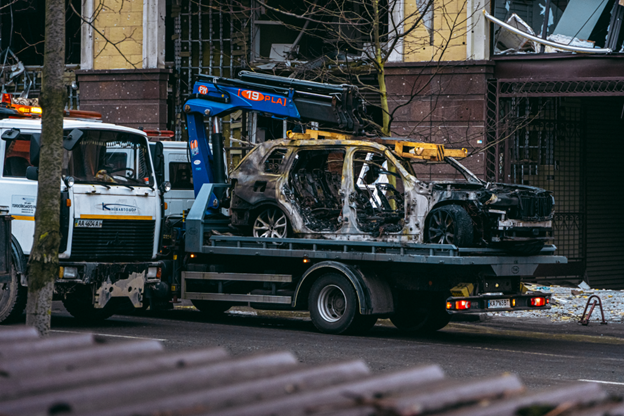
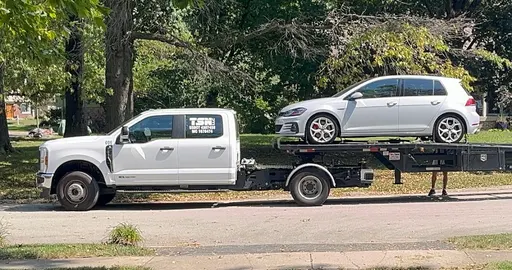
If your car can’t be driven after a collision, you’ll need to arrange for it to be moved. Driving a damaged vehicle can be dangerous and might cause more mechanical problems. In this situation, you’ll need to call a professional service to take your car to a repair shop or your home. It’s smart to have the number of a reliable provider saved in your phone for emergencies.
A professional towing service has the right equipment, like a tilt tray, to transport your vehicle without causing extra damage. They can respond quickly and handle the recovery safely, which gives you one less thing to worry about. When you call, be ready to give your exact location and describe your vehicle’s condition.
Dealing with Insurance Claims
Contact your insurance company as soon as you can after the accident. Most insurers have a 24/7 claims hotline and specific steps you need to follow. Give them all the information you’ve collected, including the other driver’s details, the police report number (if you have one), and the photos you took at the scene.
Your insurer will guide you through the next steps, which might involve filling out a claim form and arranging for an assessor to inspect the damage. Be honest and thorough in your report. Understanding the process is key to protecting your rights after a car accident and making sure you get what you’re entitled to under your policy. Keep a record of all your communication with your insurer, including dates, times, and the names of the people you speak with.
Getting Back on the Road
The final stage involves getting your vehicle repaired and getting back to your normal routine. Your insurance company might suggest a preferred repairer, or you might be able to choose your own. Once a repairer is selected and the claim is approved, they will start working on your car. Depending on your policy, you might be eligible for a hire car while yours is being fixed. Discuss this with your insurer early on. Once the repairs are done, give the car a good inspection before you drive away to make sure you’re happy with the work.
While being in a car accident is never a pleasant experience, being prepared can significantly reduce how stressful and complicated the situation feels. Following these steps helps you handle the aftermath calmly and efficiently.