








In this article
From Paper Window Stickers to Pixel-Perfect Previews
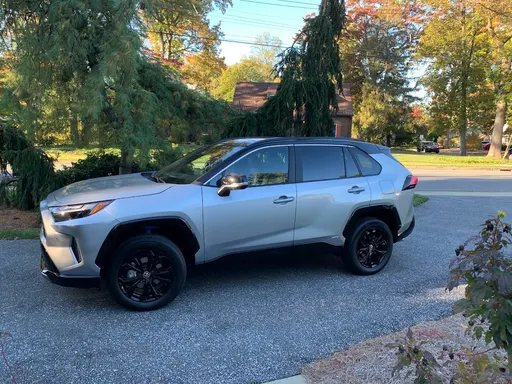
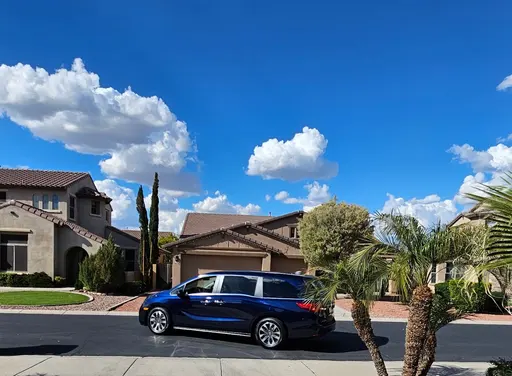
Car shopping used to mean driving lot to lot, squinting at a paper sticker taped to a windshield, and hoping the salesperson's memory of what was in stock matched reality. That process has been quietly rebuilt from the ground up over the last few years, and most of the change has nothing to do with the cars themselves. It comes from what happens before a buyer ever leaves the house. Listing pages, comparison tools, and configurators now do a lot of the work a test drive used to do, and the raw material behind all of it is imagery. A developer building any of those tools today has options that simply did not exist a decade ago, including a Car Images API that can hand a marketplace or dealer site a studio quality render of a specific make, model, and year without anyone renting a camera.
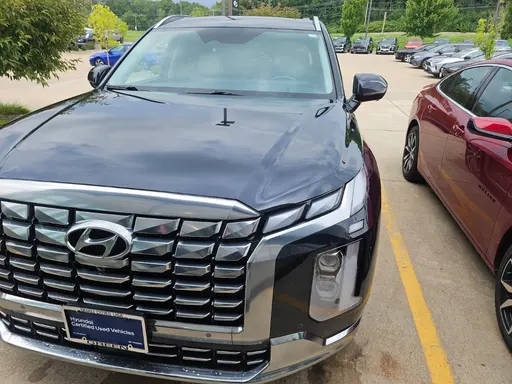
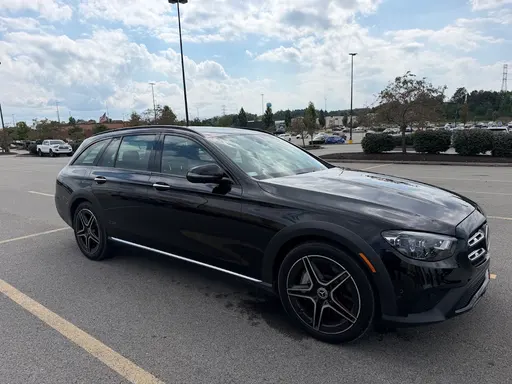
That shift matters more than it sounds. A buyer scrolling through inventory at ten at night is not evaluating the car so much as evaluating the listing. If the photo is a blurry stock image, or worse, a picture of the wrong trim entirely, trust erodes before the price even comes into the conversation. Dealers and platforms have started treating photography as part of the product rather than an afterthought, because the data backs it up. Listings with clear, consistent images get more clicks, more time on page, and fewer abandoned sessions than listings that rely on whatever the previous owner happened to upload.
This is also where the buying experience has quietly split into two tracks. There is the physical process, still largely unchanged, of test driving, inspecting, and signing paperwork. And there is the digital front end, which now behaves more like online retail than the automotive industry of even five years ago. Filters by trim, side-by-side comparisons, 360-degree views, all of it depends on having a reliable image for every vehicle in a catalog, not just the popular ones. That is a harder problem than it looks, since a single manufacturer can produce dozens of trims and facelifts across a single generation, each with its own visual details that a generic stock photo will miss.
The result is that buyers in 2026 form an opinion about a car long before they see it in person, based almost entirely on how well a platform can show it to them. That puts pressure on every business in the chain, from classifieds sites to insurers, to solve the imagery problem well, which is exactly where a new layer of infrastructure has quietly stepped in.
Why Consistent Imagery Is Becoming the New Test Drive
The businesses feeling this shift hardest are not just marketplaces. Insurers building quote flows, leasing companies populating dashboards, and fleet operators tracking hundreds of vehicles all face the same underlying issue: they usually have a VIN or a make and model on record, but no photo worth showing a customer. For years the fallback was either paying for a photographer, scraping the web and hoping licensing worked out, or shipping a generic silhouette icon that told the buyer nothing. None of those options scale well once a catalog stretches into the thousands of vehicles.
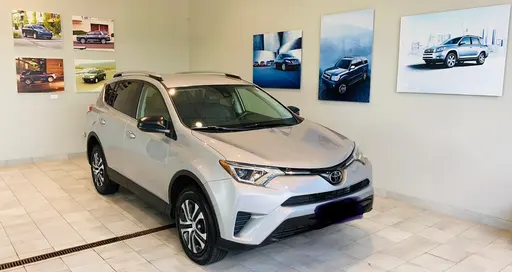
This is the gap that CarImages has been built to close. Instead of sourcing a picture for every vehicle by hand, the service returns a studio-lit render for a given make, model, and year in eight matching angles, all shot in the same virtual studio so a page full of different vehicles reads as one coherent catalog rather than a patchwork of mismatched photography. For a platform juggling vehicles from a dozen manufacturers, having every image share the same lighting, framing, and background removes one of the more persistent, unglamorous headaches in building a trustworthy listing page.
That kind of consistency changes buyer behavior in ways that are easy to underestimate. When every vehicle in a search results page looks like it was photographed by the same team, on the same day, in the same studio, buyers subconsciously read the whole platform as more credible. Contrast that with a page where one car has a crisp cutout photo and the next has a grainy phone picture with a dealer's reflection in the windshield. The second experience does not just look worse, it actively makes people question whether the listing itself is trustworthy.
There is a second layer to this too. As shoppers increasingly rely on AI assistants and chat based search to compare vehicles before ever visiting a marketplace, having a consistent, well labeled image tied to every make and model means those tools have something usable to reference rather than a gap in the catalog. A car buying experience that used to hinge on being physically present at a lot now increasingly gets decided in the five seconds it takes a shopper to judge whether a listing photo looks real, current, and trustworthy. Getting that first impression right, before a single question is asked or a single mile is driven, has become one of the quieter competitive advantages in the industry.
What Buyers Should Actually Watch For as the Process Goes Digital
None of this technology changes the fundamentals of a good car purchase, it just changes where the decision making happens. A shopper in 2026 is likely to have compared trims, read reviews, and mentally settled on a shortlist before a single dealer conversation takes place. That earlier research phase is where the real leverage now sits, and buyers who treat it as optional are leaving both money and confidence on the table.
The most useful shift has been in transparency around pricing. Out the door calculators, VIN based history checks, and market comparison tools mean a buyer can walk into a negotiation already knowing roughly what a fair price looks like for a specific trim in their region, rather than relying on a dealer's word for it. That single change has done more to rebalance the negotiation than any amount of polished photography or slick configurator ever could, because it removes the information gap that used to favor whoever controlled the paperwork.
AI powered chat tools have also started playing a role that did not exist a few years ago. Buyers now ask general purpose assistants to summarize a vehicle's reliability history, compare trims, or explain financing terms in plain language before they ever speak to a human. That does not replace expert judgment, particularly on anything mechanical or safety related, but it does mean the first few questions a buyer used to ask a salesperson now get asked, and answered, well before they arrive.
The sensible approach for anyone car shopping this year is to treat every digital tool as a research aid rather than a substitute for due diligence. Use the calculators to set a target price, use vehicle history reports to rule out obvious red flags, and still insist on a proper inspection and test drive before signing anything. The technology has made the early stages of buying a car dramatically more efficient, but the parts that always mattered, checking the vehicle in person, reading the contract carefully, and knowing your own budget, have not gone anywhere. What has changed is how much of that groundwork a buyer can now finish before ever setting foot on a lot, which shifts the balance of power in the negotiation itself.