






















In this article
No matter how careful you are behind the wheel, the unexpected can happen. A sudden collision, a blown tire, debris in the road, or another driver making a poor decision can turn an ordinary journey into a stressful situation within seconds.
When something goes wrong, knowing what to do can help you stay calm, protect yourself and others, and make the aftermath easier to manage.
Get Yourself to Safety
Your first priority should always be safety. If your vehicle is still drivable and it is safe to do so, move it out of the flow of traffic. Pull onto the shoulder, into a parking lot, or another secure location nearby.
Turn on your hazard lights so other drivers can see you. If you cannot move the vehicle, remain cautious and avoid standing in active traffic lanes.
Check yourself and any passengers for injuries. Even if everyone initially feels fine, remember that adrenaline can sometimes mask pain or other symptoms.
Call for Help When Necessary
For serious collisions, injuries, dangerous road conditions, or significant vehicle damage, contact emergency services. Police can help manage the scene, document what happened, and arrange additional assistance if needed.
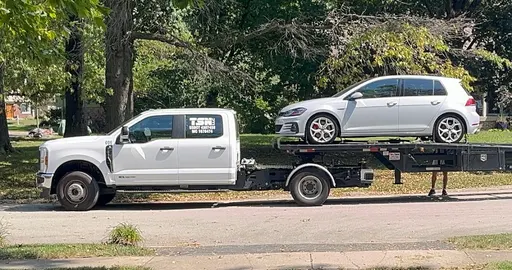
If the incident is less serious, you may still need roadside assistance, a towing service, or help from your insurer.
Avoid arguing with other drivers or trying to determine fault at the roadside. Keep the conversation calm and focused on exchanging the necessary information.
Document What Happened
If it is safe, take photographs of the scene. Capture vehicle damage, road conditions, signs, traffic signals, skid marks, debris, and the wider surroundings.
Exchange contact and insurance information with other drivers involved. If there are witnesses, ask for their names and contact details as well.
It can also help to make a few notes while the incident is still fresh in your mind. Record the time, location, weather conditions, and anything you remember happening immediately before the incident.
Be Careful What You Say
In the confusion after a collision, it is easy to make casual comments that could later be misunderstood. Stick to factual information and avoid making assumptions about who caused the incident. It is one of several common mistakes drivers make after an accident that are easy to avoid once you know to watch for them.
You should also be cautious about discussing the situation publicly or posting details on social media before insurance or legal matters have been resolved.
Know When Professional Advice May Be Useful
Some road incidents are straightforward, while others can quickly become complicated. Collisions involving commercial trucks, multiple vehicles, severe injuries, or disputes about liability may require additional support.
In these circumstances, it may be appropriate to get a truck accident lawyer involved to help you understand your options, deal with insurers, and determine what evidence may be important.
Stay Prepared Before You Need To Be
You cannot predict every incident, but you can make sure you are better prepared. Keep your insurance details, emergency contacts, phone charger, basic first-aid supplies, and roadside assistance information in your vehicle. It is also worth knowing what your policy actually covers before you need it, which is where reviewing your auto insurance is time well spent.
An unexpected road incident can be unsettling, but having a simple plan makes a difference. Prioritize safety, gather useful information, and seek the right support when you need it. Those first few decisions can make the situation much easier to handle.