



In this article
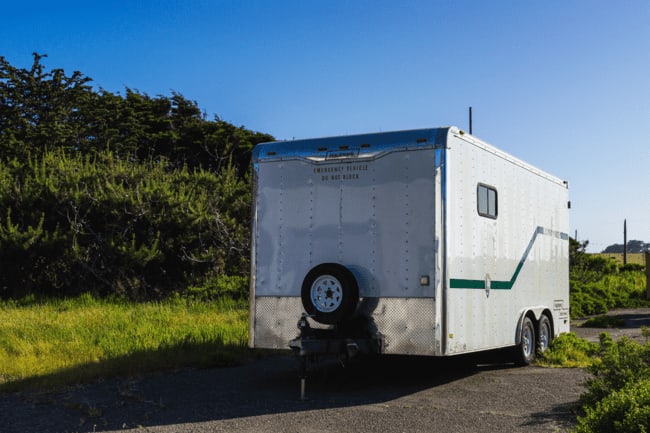
Gooseneck trailers carry serious value, and that value makes them a magnet for thieves who can hitch up and disappear in under a minute. Securing one is not about a single lock. It's about layering the right coupler lock, smart parking choices, and visible deterrents so your trailer becomes the hardest target on the lot. This guide walks through why these trailers get stolen, the locks that stop it, and the habits that keep your rig safe all year.
Why Are Gooseneck Trailers a Frequent Target for Theft?
Gooseneck trailers sit outside, often unattended, and their standardized couplers fit millions of trucks. A thief doesn't need to break anything if the coupler is exposed, so the ball connection is the real point of failure. Because that coupler is the weak spot, a purpose-built gooseneck trailer lock closes the exact gap opportunists rely on. Manufacturers like AMPLock build a gooseneck trailer lock that's machined to fit specific coupler types, which removes the play a universal lock leaves behind and makes a fast grab-and-go far harder. That tight fit is what turns a quick theft into one that isn't worth attempting.
What Makes a Gooseneck Trailer Easy to Steal?
An unlocked gooseneck coupler is essentially an open invitation. Any truck with a matching ball can back up, connect, and tow the trailer away without tools or noise. Isolation adds to the risk, because gooseneck trailers are often stored on farms, job sites, and rural properties where nobody is watching. The combination of a universal connection point and low visibility is what makes these trailers simple to take.
How Common Is Gooseneck Trailer Theft?
Trailer theft remains a persistent problem across North America, and law enforcement agencies consistently note that utility and towing trailers are among the most frequently reported stolen equipment. The National Insurance Crime Bureau has repeatedly flagged trailer theft as a recurring issue, especially in warmer months when trailers are used and moved more often. The takeaway is simple: these trailers are stolen often enough that leaving one unsecured is a real gamble.
What Are the Most Effective Ways to Secure a Gooseneck Trailer?
The best protection stacks several barriers so no single defeat gives a thief the trailer. Each layer buys time, and time is the one thing a thief can't afford. Start with the coupler, then add secondary locks and physical obstacles.
How Does a Gooseneck Coupler Lock Protect Your Trailer?
A gooseneck coupler lock covers the ball socket so no hitch can connect to it. When the coupler is sealed, a thief can't attach the trailer to a truck, which stops the theft before it starts. A custom-fit lock is critical here, because a loose or generic model can be pried or shimmed. A lock molded to your exact coupler leaves no room to work, so it holds up where a one-size lock fails.
Should You Add a Kingpin or Hitch Pin Lock?
A second lock forces a thief to defeat two separate systems, which most won't attempt. If your gooseneck setup uses a fifth-wheel-style connection, a kingpin lock blocks that attachment point directly. A hitch pin lock secures accessories and receiver-mounted gear that thieves often target alongside the trailer. Adding one of these turns your trailer into a layered problem instead of a single easy win.
Do Wheel Locks and Chocks Add Real Protection?
Wheel locks and chocks stop the trailer from rolling even if the coupler is somehow defeated. A boot-style wheel lock is highly visible, and that visibility alone pushes many thieves to look elsewhere. These tools work best as a backup to a coupler lock, not a replacement, since they slow removal rather than block the hitch. Together they cover both the connection point and the wheels.
How Do You Layer Physical Security for Maximum Deterrence?
Layering means combining locks with location and technology so a thief faces friction at every step. The goal is to make your trailer slower, louder, and riskier to steal than the next one over. Where and how you store it matters as much as the hardware.
Where Is the Safest Place to Park a Gooseneck Trailer?
Position matters more than most owners realize. Back the trailer against a wall, fence, or another vehicle so the coupler can't be reached and there's no room to hitch up. Well-lit, visible spots discourage thieves who prefer to work unseen. When possible, store the trailer inside a locked yard or behind a gate, since every barrier adds time and risk.
Can GPS Trackers and Alarms Stop a Determined Thief?
A hidden GPS tracker won't prevent a theft, but it dramatically improves your odds of recovery by showing the trailer's live location. Motion alarms draw attention the moment someone tampers with the coupler, which often ends the attempt. These tools pair best with strong locks, because a lock buys time and a tracker helps you act on it. Used together, they cover both prevention and recovery. The same reasoning applies to a vehicle, which is the argument behind GPS trackers and long-term value.
What Should You Look for in a Gooseneck Trailer Lock?
Not every lock offers the same protection, so the build quality and fit decide whether it actually holds. Focus on materials, the locking mechanism, and how precisely the lock matches your coupler.
Which Materials and Locking Mechanisms Matter Most?
Hardened materials resist the cutting, drilling, and prying that thieves rely on. Look for a ductile iron body paired with stainless steel moving parts, since that combination stands up to force and weather. The cylinder matters just as much: an anti-pick, anti-drill disk lock cylinder blocks the quiet methods thieves prefer. A strong body with a weak cylinder, or the reverse, leaves a gap worth avoiding.
How Do You Get the Right Fit for Your Coupler?
A lock only works if it matches your coupler's exact size and shape. Gooseneck and ball couplers come in several lip and diameter configurations, so identify yours before buying. A custom-fit lock leaves no slack for a thief to exploit, while a loose universal model can be manipulated off. Matching the lock to your specific coupler is the single most important step in choosing one.
Habits That Keep Your Gooseneck Trailer Safe Year-Round
Good hardware only works when you use it consistently. Lock the coupler every time you park, even for short stops, because most thefts happen during brief windows of opportunity. Record your trailer's VIN and keep photos so recovery is faster if it's ever taken. Check your locks for wear and rust through the seasons, and re-secure any accessories after each trip. Consistency is what turns a well-equipped trailer into one that stays yours. Keeping that paperwork together is the same habit behind car maintenance records.
Frequently Asked Questions About Gooseneck Trailer Security
Can a Gooseneck Trailer Be Stolen While Hitched to a Truck?
Yes, an unattended hitched trailer can still be unhitched and taken, or stolen along with the truck. A coupler or kingpin lock adds protection even when the trailer is connected. Never assume that being hitched is the same as being secure.
What Is the Best Lock for a Gooseneck Trailer?
The best lock is a custom-fit coupler lock made from hardened materials with an anti-pick cylinder. Fit matters most, since a lock molded to your exact coupler can't be shimmed or pried the way a universal model can. Pairing it with a second lock adds another layer.
Are Gooseneck Coupler Locks Universal or Custom-Fit?
Some are sold as universal, but custom-fit locks offer far stronger protection. A lock matched to your specific coupler leaves no slack for tampering, while a universal fit often does. Always confirm your coupler type before choosing.
How Do You Secure a Gooseneck Trailer in Winter?
Cold weather can stiffen cylinders, so use a lock rated for the elements and apply a dry lubricant to keep it working. Store the trailer in a sheltered, visible spot when you can. Clear snow and ice from the coupler before locking so the mechanism seats fully.