



In this article
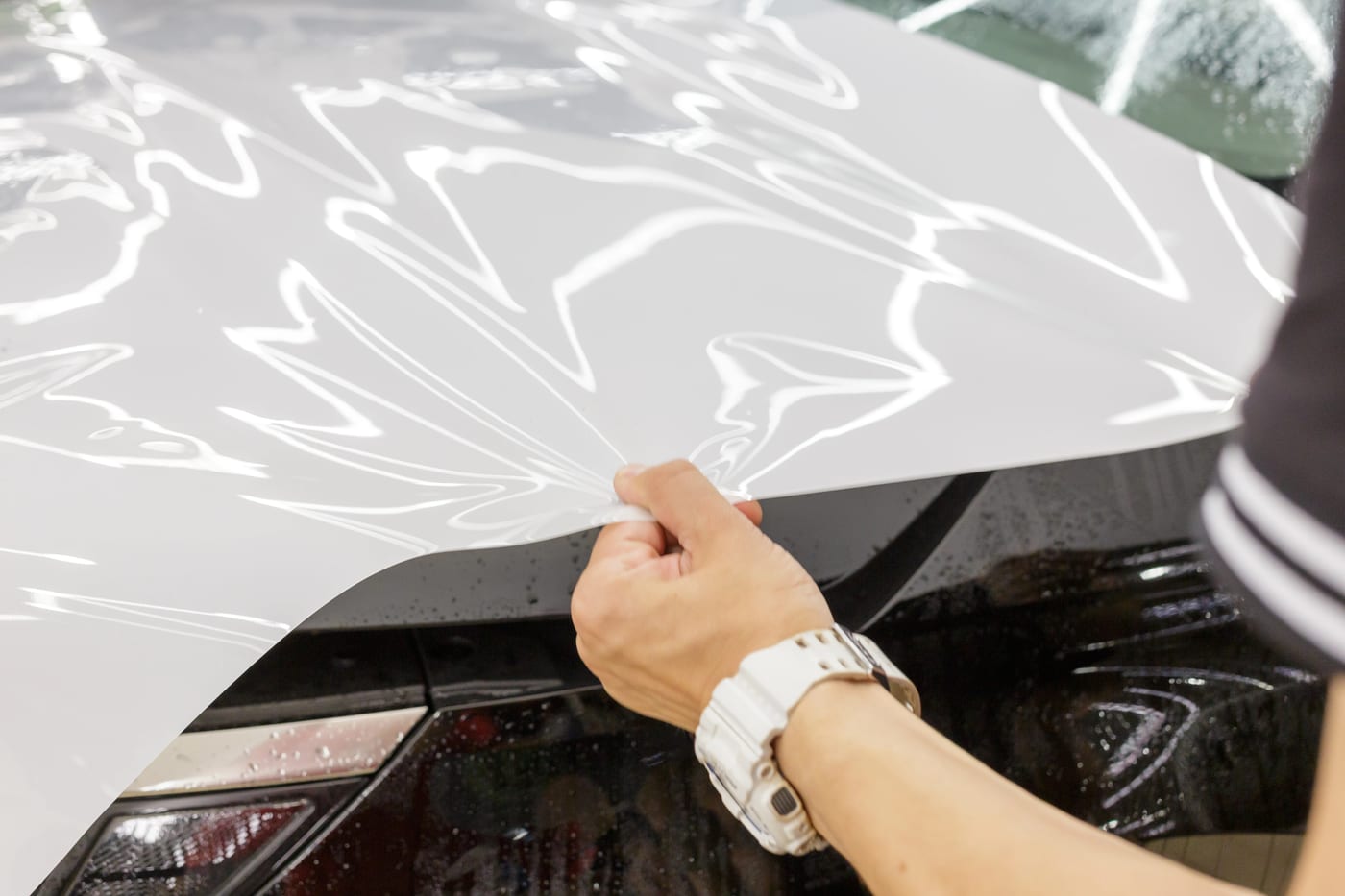
You have just received a new car, and the paint is perfect, but soon afterwards someone mentions paint protection film. In Chicago, this matters when the salt trucks hit the roads, or you drive through a construction zone on the Kennedy. Before you spend several thousand dollars, it's important to understand what PPF actually provides in this situation and also where its limitations are.
What Chicago Actually Throws at Your Paint
Winter salt and brine leave dirt on your car, and the debris from gravel and potholes can damage the paint in spring. Another hazard awaits you at narrow urban parking spaces, door dings and scratches from other cars. Wax and sealants provide a certain level of protection, but they cannot prevent stone chips or dents.
PPF covers the paint with a distinct layer which guards against a great deal of ordinary wear and tear. Some of the films also include a self-healing clear coat that causes minor surface scratches to vanish when heated. While it won't stop all types of damage, it can make a real difference on the roads in Chicago.
The Quieter Advantages
You no longer jump whenever a semi-truck kicks up stones on the Dan Ryan, and the front bumper, hood, and mirrors remain cleaner for longer between washes. When you sell or trade in the car in five or six years' time it will still look much closer to new. There is also a resale aspect, since both dealers and private buyers inspect the paint condition, and a chip-free nose indicates that the vehicle has been well looked after. That is the same thing an appraiser weighs when you ask about a car trade-in.
What Isn't Advertised as Loudly
The upfront cost is high. A car shop in Chicago may charge from $2,000 to $3,500 for a complete front package that includes the hood, the fenders, the mirrors and the bumper. The price for full coverage starts at $5,000. Cheap film may turn yellow, and poor installation can cause it to curl at the edges or display seams that hold dirt. Careless removal and incorrect handling can harm the clear coat. Nevertheless, professionally installed PPF offers strong paint protection and a lifespan of about seven to ten years.
Installation Quality Is Everything
Most car owners don't realize how important temperature and humidity are for PPF installation. If a shop speeds up the process or doesn't have a proper environment, problems will definitely show down the line. Modern car shapes require real skills. You should look for installers who use high-quality films (XPEL, 3M, or something equivalent), who stand by the work they do, and who work in a climate-controlled environment. Don't rush to select a shop; get several quotes and check recent customers' reviews. A good installation can last for years, and in most cases, the installer matters more than the brand of film.
Choosing the Right Coverage
If you park in a garage and mostly drive on highways, front-end PPF may be enough. If you drive daily and park outside, you may want to protect more of the car. Should you intend to sell the car in two or three years and expect it to remain in good condition with ordinary maintenance, opt for a full PPF. In all cases, the choice you make should be based only on your actual driving situation.
The Bottom Line
PPF may become one of the best decisions when you're buying a new car in Chicago. But it all comes down to the way you drive and how long you intend to keep the car. It also depends on whether the shop you select treats the job with genuine care or just as another job to do. Spend some time researching the options, ask the key questions, and don't rely on the ads but on your own needs when making your choice. It is also worth putting the figure beside the rest of what the car will cost you, which is what total cost of ownership is for.