



























In this article

A car's purchase price tells only part of the ownership story. Your budget, expected mileage and tolerance for maintenance should guide the choice between a new, certified pre-owned or used vehicle. Financing terms, warranty coverage, insurance costs and depreciation can change the long-term value of each option.
Before visiting a dealership, set a maximum monthly payment and total purchase budget. Leave room for registration, insurance, fuel and routine service so the vehicle remains affordable after you bring it home.
The Appeal of a Brand-New Vehicle
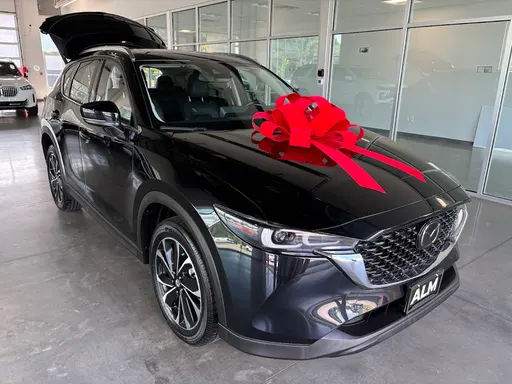
A new vehicle gives you the latest safety features, current technology, a full factory warranty and access to Chrysler Dodge Jeep Ram vehicles. You can also select the trim, color and options instead of accepting the configuration available on a used model. Buyers who expect to keep a car for eight years or longer may value knowing its complete service history from day one.
Depreciation is the main trade-off, since new vehicles generally lose value fastest during their early years. Compare the total loan cost, not only the advertised payment. This guide to buying a brand-new car explains several details worth checking before you commit, including ownership costs and purchase timing.
Benefits of Opting for Used Vehicles
Used vehicles often provide more features for a fixed budget. A three-year-old model may place a higher trim, upgraded interior or larger vehicle within reach while avoiding the steepest early depreciation. Start your search at established used car dealerships where you can compare inventory, financing choices and vehicle histories in one place.
Review maintenance records and arrange an independent inspection before signing. You should also enter the vehicle identification number into the federal recall lookup tool to find open safety recalls. For example, a lower price may lose its appeal if worn tires, overdue maintenance and an unresolved recall require immediate attention. Budget for those items before deciding what the vehicle is truly worth. An independent pre-purchase inspection is how most of that list gets priced.
Certified Pre-Owned: Best of Both Worlds?
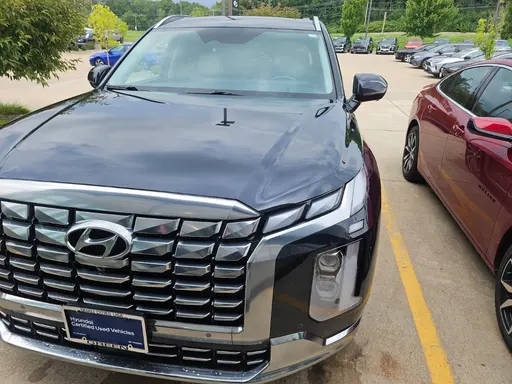
Certified pre-owned vehicles occupy the middle ground between new and conventional used models. Manufacturer-backed programs typically apply age and mileage limits, require an inspection and include extra warranty coverage. Program details differ, so ask for the written standards and warranty terms instead of relying on the certified label alone.
Check which systems were inspected, how long the added coverage lasts and whether there is a deductible for repairs. Compare the certified model's full price with a similar non-certified vehicle and a discounted new one. If certification adds $2,000, calculate what you receive for that premium. Strong warranty coverage could justify it, while a short limited warranty may offer less value for a buyer who already plans to purchase independent coverage.
Matching Vehicle Type to Your Lifestyle
Start with your routine. A commuter traveling 40 highway miles each day may prioritize fuel economy, supportive seats and driver-assistance features. A family carrying children, sports equipment and groceries may need flexible cargo space and easy rear-seat access. Someone who parks on crowded streets could benefit from a compact model with parking sensors.
Take a test drive that resembles normal use. Bring child seats or bulky gear, check visibility and drive on both local roads and the highway when possible. Then compare expected annual mileage with the warranty limits and projected maintenance schedule. The smartest choice is the vehicle that still fits your budget after insurance, routine care and realistic fuel costs are included. Write those figures beside each candidate before making the final comparison.