


















In this article
A truck should match the work you expect it to handle while staying comfortable and affordable during everyday driving. Payload, towing limits, cabin design and fuel costs can vary widely, even between two versions of the same model.
Before visiting a dealership, write down what you plan to carry, how often you expect to tow and how many passengers usually ride with you. That short list will help you focus on useful features instead of paying for capability you're unlikely to use.
Towing and Hauling Capacity
Start with the manufacturer's ratings for the truck's exact configuration. Engine choice, drivetrain, cab style, bed length and axle ratio can all affect towing and payload limits.
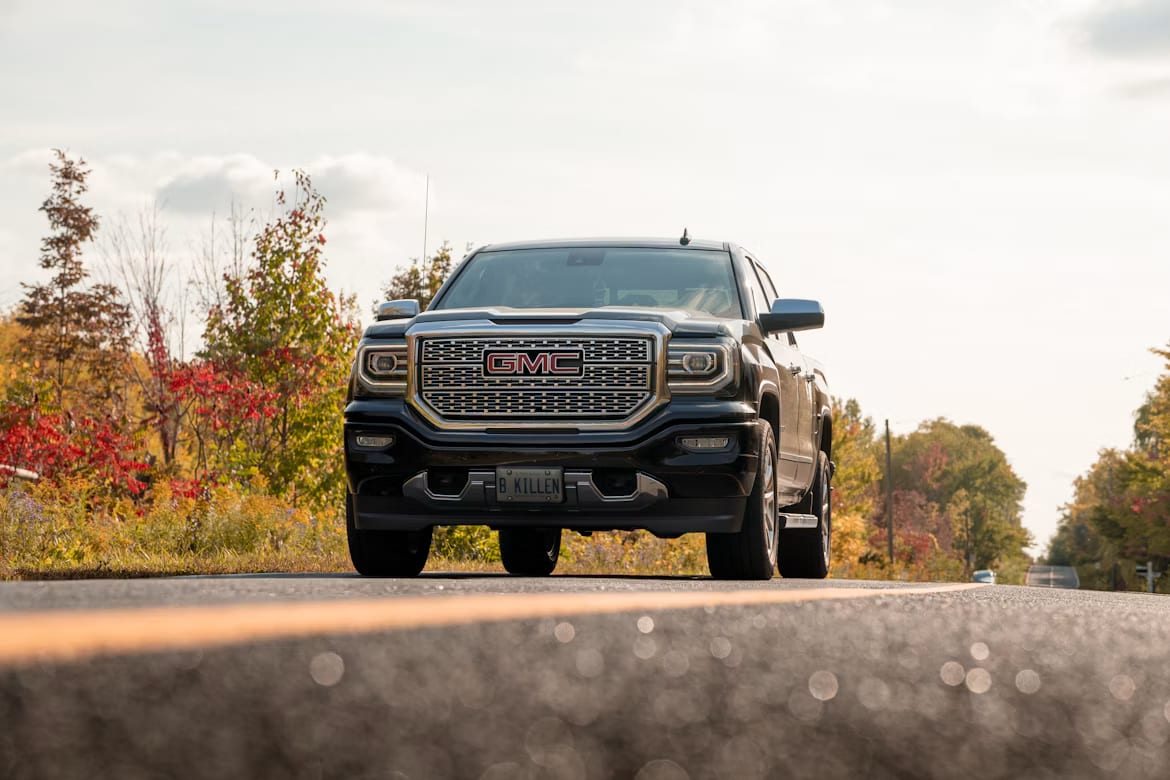
Estimate the loaded weight of your trailer, including equipment and supplies. You should also confirm the truck's payload rating because passengers, cargo and trailer tongue weight all count toward it. The 2027 GMC Sierra 1500 is one model Columbus shoppers can review when comparing configurations and expected capability. Leave a practical margin instead of planning to operate at the published limit on every trip.
Interior Comfort and Technology
Cab comfort deserves close attention if your truck will handle commuting, family trips or long workdays. Sit in each seating position and check headroom, legroom and access to storage. Crew cabs generally give rear passengers more space, while smaller cabs may provide a longer bed within a similar overall vehicle length.
Test the infotainment system before deciding. Common priorities include phone integration, clear physical controls, multiple charging ports and an easy-to-read display. Look for cameras that provide useful views near the bed, hitch and parking spaces. If you regularly work from the truck, a household-style power outlet and flat interior storage may prove more valuable than decorative cabin upgrades.
Advanced Safety Innovations
Modern trucks offer driver-assistance systems that can reduce strain in traffic and provide warnings about nearby vehicles. The National Highway Traffic Safety Administration's driver-assistance guidance explains features such as automatic emergency braking, blind-spot alerts and lane support. Availability may depend on the trim or an optional package.
Ask whether blind-spot monitoring can account for a connected trailer. A surround-view camera can also help when backing into a tight driveway or lining up with a hitch. These systems still require an attentive driver, so test their controls and alerts during your drive. Clear warnings that you understand are more useful than features you find distracting or difficult to adjust.
Fuel Efficiency for Trucks
Compare efficiency using the engine, drivetrain and cab configuration you intend to buy. Official estimates provide a consistent starting point, and the EPA fuel economy resources can help shoppers compare vehicles under standardized test conditions. Your actual results will change with payload, trailer use, speed, terrain and weather.
Estimate annual fuel cost using your normal mileage. A difference of 3 mpg becomes meaningful for a driver covering 15,000 miles each year, especially when much of that driving occurs without a trailer. Smaller engines may suit light daily use, while frequent heavy loads can change the equation. Also consider tire prices and routine service because total operating cost extends beyond fuel alone.
Making an Informed Truck Choice
Build a shortlist based on measurable needs, then test comparable configurations on the same day if possible. Bring the people who ride with you most often and check visibility, seat support, step-in height and parking ease. Measure your garage, driveway and common parking spaces before committing to a cab and bed combination.
Review the window sticker and written specifications to confirm the installed packages. A model name alone won't tell you its payload rating, axle setup or included safety equipment. Request an itemized purchase estimate that shows the vehicle price, taxes, fees and optional products separately. Comparing that against what dealers charge in fees and taxes in your state is worth the few minutes it takes. Before signing, confirm that the truck you tested has the same configuration and features as the one listed in the paperwork.
The strongest candidate should meet your loaded towing and hauling estimates with room to spare while remaining easy to live with during an ordinary week. Take your measurements and expected weights to the test drive so the final comparison rests on real use, not showroom impressions.