





























In this article
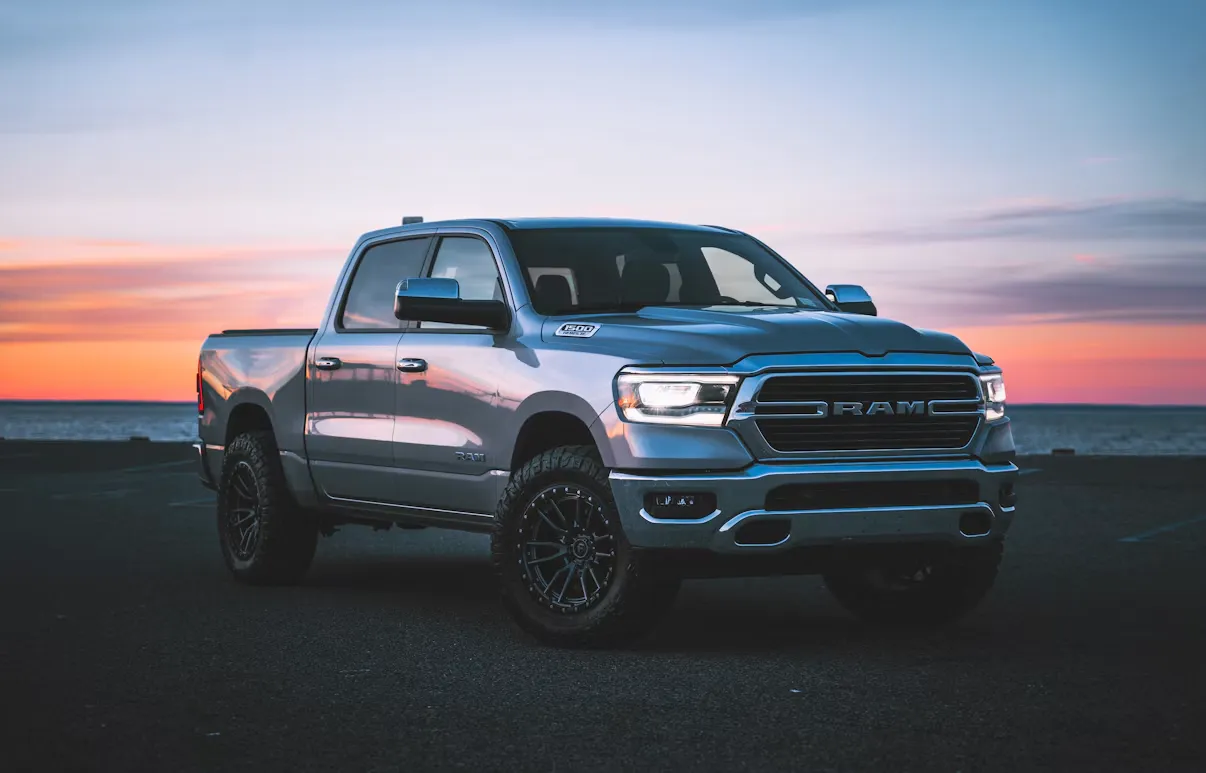
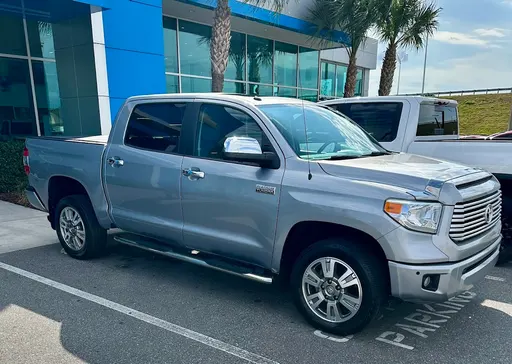
A pre-owned pickup delivers real value when its capability, condition and long-term costs match the work you expect it to handle. Badge reputation and advertised towing figures only tell part of the story. The truck’s configuration, service record and previous use can matter far more than its age alone. Before comparing listings, define your requirements and create a consistent inspection process. That preparation helps you identify high-performing trucks without paying extra for capacity you’ll rarely use.
Assess True Towing Requirements
Start with the heaviest load you realistically expect to tow, including the trailer, cargo and passengers. Manufacturers calculate ratings for specific combinations of engine, drivetrain, axle ratio and equipment, so two similar-looking pickups may have very different limits. The industry’s trailer weight rating standards provide useful context for comparing published figures.
Leave a practical safety margin instead of shopping at the exact limit. If your loaded trailer weighs 7,000 pounds, a truck rated for only slightly more may feel strained on grades or during hot weather. When comparing used RAM trucks, confirm each vehicle’s configuration from its identification label and original equipment details. Never assume that every model with the same badge shares one rating.
Evaluate Powertrain Longevity
Judge the engine and transmission as a complete system. A durable engine can still become expensive if the transmission shifts poorly, the cooling system leaks or the drivetrain produces vibration under load. Begin the inspection with a cold start because sellers can sometimes warm a vehicle before your arrival to hide rough starting, smoke or unusual noise.
During the test drive, check for delayed engagement when selecting drive or reverse. Acceleration should feel consistent and shifts should occur without slipping or harsh impacts. Test the truck at neighborhood speeds and on a highway, then look underneath for fresh fluid. A qualified independent mechanic should scan stored diagnostic codes and inspect the cooling, steering and driveline components before purchase. On diesel pickups, checking the cooling and exhaust systems and looking for undercarriage damage can also reveal problems that a short test drive might miss. This is particularly important when evaluating a used diesel truck. That inspection fee is small compared with a major repair discovered after signing.
Verify Maintenance and Fleet History
Request service invoices, ownership records and documentation for major repairs. Regular oil changes are useful, but a hardworking pickup also needs transmission service, cooling-system care, brake work and differential fluid changes at suitable intervals. Compare the records with the manufacturer’s schedule and treat long unexplained gaps as a reason for closer inspection.
Use the vehicle identification number to check open safety recalls, then confirm that completed recall work appears in the service history. A former fleet vehicle deserves careful evaluation, though fleet ownership alone isn’t a reason to reject it. Some companies follow strict maintenance schedules while others delay repairs. Look for excessive idle hours, mismatched tires, worn seat edges and hitch-area damage. Those clues may reveal harder use than the odometer suggests.
Calculate Real Depreciation Trajectories
Estimate ownership cost across the years you expect to keep the truck. Purchase price matters, but taxes, financing, insurance, fuel, maintenance and likely repairs determine the real total. Compare several vehicles of the same model year and configuration to see whether one listing carries a premium that its condition can’t support.
Mileage affects value unevenly. A well-documented truck with 80,000 highway miles may be a stronger buy than a neglected example with 55,000 miles. Consider how your own driving will affect resale too. If you add 20,000 miles per year, paying extra for unusually low mileage may offer little benefit after three years. Also price common wear items such as tires, brakes and suspension parts. A cheaper truck needing all three shortly after purchase can quickly erase the initial savings.
The strongest candidate should pass three final tests: its documented configuration handles your load, its condition supports the service history and its projected ownership cost fits your budget. Before committing, repeat the same road-test route with your top two choices and compare the inspection findings side by side. Small differences in shifting, braking and maintenance records often make the better truck clear.