





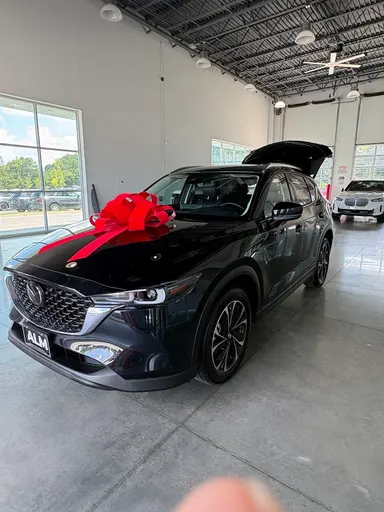


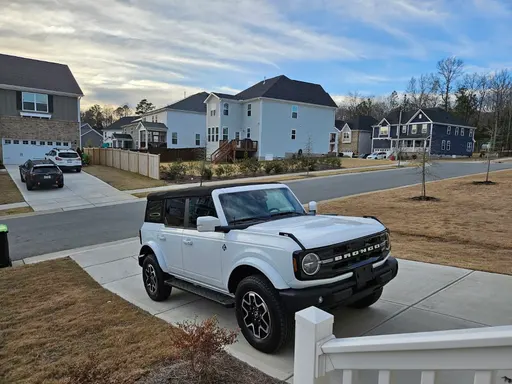
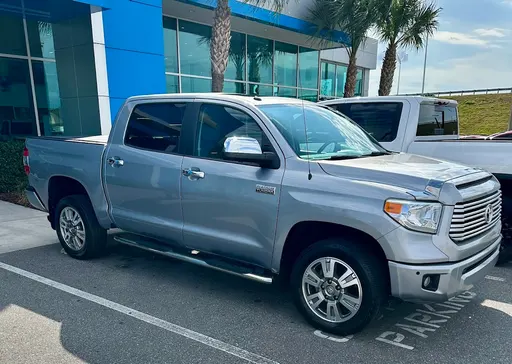
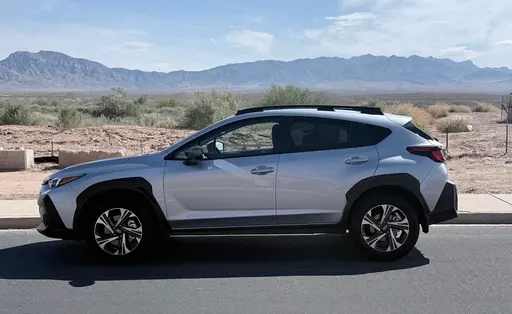









In this article

A useful test drive should reveal how a car fits your daily routine, not simply how it feels during a quick trip around the block. Give yourself enough time to assess visibility, ride quality, controls, and cabin space under realistic conditions. This practical test drive guidance from Consumer Reports also recommends driving each vehicle for at least 30 minutes when possible.
Plan to inspect and drive more than one model, then record your impressions before the details begin to blend.
Plan Your Test Drive Route
Map out a route that resembles the roads you use each week. Include city streets, a highway segment, rough pavement, and a parking lot if those settings reflect your normal driving. Hills are useful for checking acceleration and transmission behavior, while tighter streets reveal steering effort and outward visibility.
Try to drive competing vehicles over the same route and under similar conditions. Knoxville shoppers researching where to find Chevy vehicles can review available models before visiting, then arrange back-to-back drives that make comparison easier. Ask how long you may drive and confirm the route with the dealership representative before leaving.
Key Things to Observe
Pay attention from the moment you enter the car. Check how easily you can see traffic, read the instruments and reach frequently used controls. During the drive, listen for excess road noise and notice how the vehicle responds when you accelerate, brake, or turn. A car may feel smooth on freshly paved streets but become unsettled over patched pavement.
Test the turning radius in a parking lot and practice backing into a space using both the mirrors and camera. On the highway, see how confidently the car merges and maintains speed. Avoid judging acceleration through aggressive driving. Normal starts and passing maneuvers provide more useful information about everyday performance.
Bring a Checklist with You
A short checklist keeps practical details from getting lost in the excitement of driving a new car. Put your highest priorities at the top and leave space for notes. Useful items include seat adjustment, rear visibility, cargo access, phone pairing, and control layout.
Record the displayed price, trim level, and major options for each vehicle. Review the window sticker and compare the fuel economy information, since different engines, drivetrains and wheel sizes can change the official ratings. Before leaving, rate each car on a consistent scale, such as one to five, for comfort, visibility, performance, and ease of use. Specific scores are easier to compare later than comments such as "felt good."
Experience Different Models
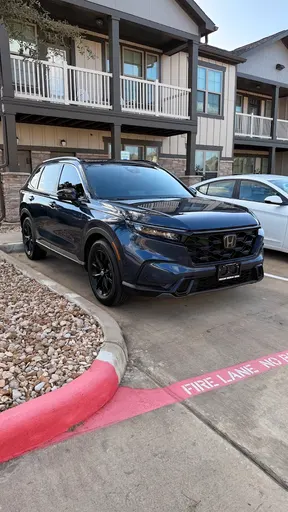
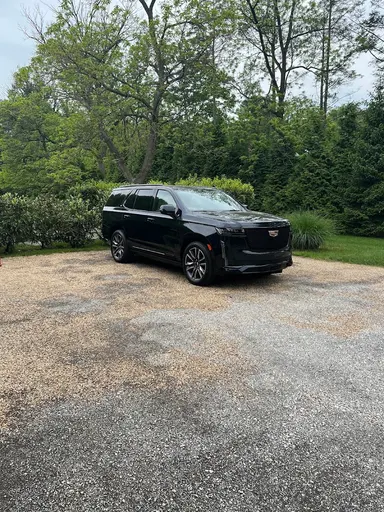
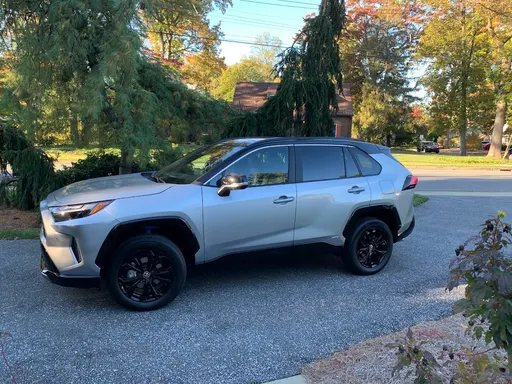
Drive at least two realistic candidates, even if one already looks like the favorite. A compact SUV may provide easy parking and good visibility, while a larger model may offer the third-row room your family needs. Testing both can show which benefit matters more during normal use.
Include different trims when their equipment changes the driving experience. Larger wheels may affect ride comfort, for example, while an upgraded driver's seat could improve support. If you're struggling to separate several close options, this account of moving from six test drives to one smart decision shows why a structured comparison can clarify the choice. Keep price discussions separate until you've evaluated the vehicles themselves.
Evaluate Comfort and Features
Set the driver's seat, steering wheel, and mirrors before moving. Your knees should have space beneath the wheel and your arms should remain slightly bent. Stay seated for several minutes after the drive because pressure points in the lower back or thighs may not appear immediately.
Ask regular passengers to try the second row. Check legroom, headroom, door openings, and access to child-seat mounting points if relevant. Bring commonly carried items such as a stroller, work bag or sports equipment to test the cargo area.
Pair your phone and try the navigation, climate controls, and audio system while parked. Confirm that basic tasks take only a few taps. Before deciding, review your notes the next day and favor the car that handled your real-life tests well, not the one with the longest feature list. If the shortlist still will not separate, our buying service exists to do that comparison for you.