


In this article
A used car at a good price feels like a win, and often it is. The problem is that the agreed price is the first payment rather than the whole one. The bills that follow a used purchase are predictable in type even when they are unpredictable in timing, and buyers who plan for them stay happy with the car. Buyers who do not plan for them spend the first six months feeling like they were cheated.

Start with the inspection, because it changes every number after it
The cheapest money you will spend on a used car is the pre-purchase inspection. An independent mechanic, chosen by you rather than the seller, puts the vehicle on a lift and reports on the engine, transmission, brakes, suspension, frame and electronics.
Two things come out of that report. The first is leverage: documented faults are a price reduction or a repair the seller makes before you sign. The second is the exit: some cars should not be bought at any price, and the inspection is what tells you which ones. Our full guide to the pre-purchase inspection covers what a proper one includes and what it should cost.
Run the VIN as well. The NHTSA recall lookup is free and tells you whether there is open safety work outstanding on the exact vehicle.
The mechanical bills that arrive in month two
Even a car that passes inspection has a history. Wear items have a service life, and the previous owner had no reason to replace anything they were about to sell. The common ones:
- Tires. Legal tread depth is not the same as good tires. A full set is one of the larger early bills, and uneven wear usually means an alignment is needed too.
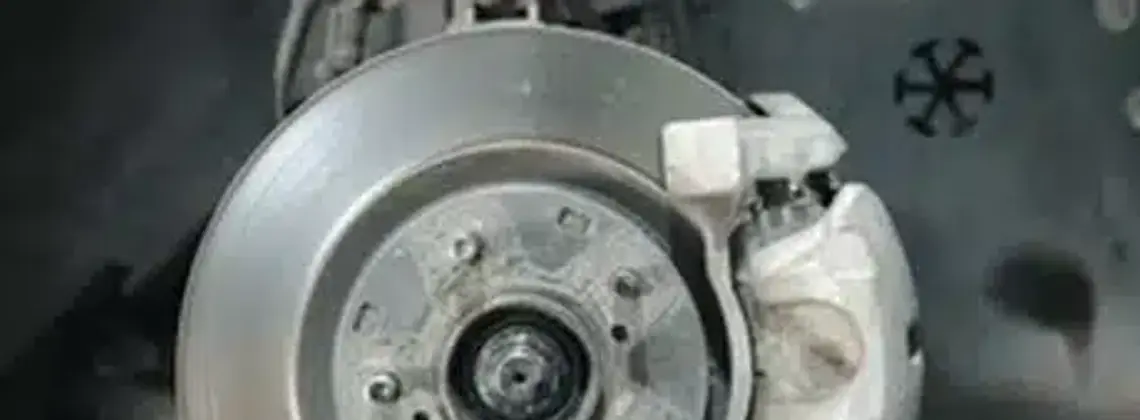
- Brakes. Pads and rotors wear together. A car that stops quietly today can need both within a year.
- Battery. Most last a few years. If nobody can tell you how old it is, assume it is old.
- Timing belt or water pump. On engines that use a belt rather than a chain, this is scheduled work with a mileage interval, and skipping it risks severe engine damage. Find out whether it has been done.
- Alternator, starter, clutch. Failures that rarely announce themselves during a test drive.
- Fluids and filters. Cheap individually, and usually all due at once on a car that was sold instead of serviced.
None of these mean you bought badly. They mean you bought a used car.
Title, tax and registration
The seller is paid and the car is yours, but it is not yet legally in your name. Title transfer, sales tax, plates and registration fees follow, and in most states the tax is by far the largest of them. These are mandatory and they have deadlines, so they belong in the purchase budget rather than in next month's.
Two guides cover this properly: how to register a car after buying it walks through the documents and the state deadlines, and title, tax and license explains how the charges are calculated. If you bought from a dealership rather than privately, the add-ons on the contract are worth reading line by line, which is what our guide to dealer fees is for.
Insurance is not automatically cheaper
A common assumption is that an older car costs less to insure. Sometimes it does. Often it does not, because insurers price the specific vehicle: its repair costs, its theft rate, its safety record and its performance. A ten year old sports sedan can cost more to insure than a new family crossover.
Get real quotes on the exact year, trim and VIN before you commit, not after. It takes a few minutes and it occasionally changes which car you buy.
Roadside and towing
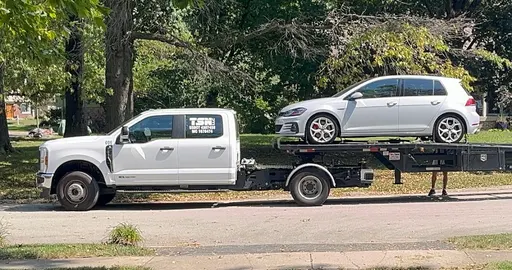
A breakdown is the one cost that arrives at the worst possible moment. Decide in advance who you are going to call. That can be a membership club, a benefit included with your insurance policy, or coverage that came with a credit card. Many people already have roadside assistance through a policy they pay for and have never checked.
Find out which of those you have before you need it, and put the number in your phone. The alternative is choosing a towing company from the shoulder of a highway, which is how people end up paying the highest available price.
Budget for it properly
The way to stop these costs being emergencies is to decide in advance that they are not. Two approaches work:
- Set aside a percentage of the purchase price for immediate repairs, on the assumption that a used car will need something in its first months.
- Fund it monthly. A fixed amount moved into a separate car account each month builds a cushion that absorbs a repair without touching anything else.
Either way, the money exists before the check engine light does. That is the entire difference between a manageable expense and a crisis.
The largest cost of all is still the one nobody invoices you for. Depreciation continues from the moment you buy, and it is covered in how fast cars lose value. To see what a specific deal actually totals once tax and fees are added, put the numbers into the out-the-door price calculator.
Where a concierge fits
Most of these costs are ordinary. The one that is not ordinary is paying too much for the car in the first place, or buying one the inspection should have stopped.
That is the job Car Concierge Pro does: we find the vehicle, arrange the independent inspection, negotiate the out-the-door number and read the contract before it is signed. The fee is flat and paid by you, never a commission from a dealership, so nothing in the process depends on you buying a particular car.
Plan for the bills that follow and a good used car stays a good decision.