






















In this article
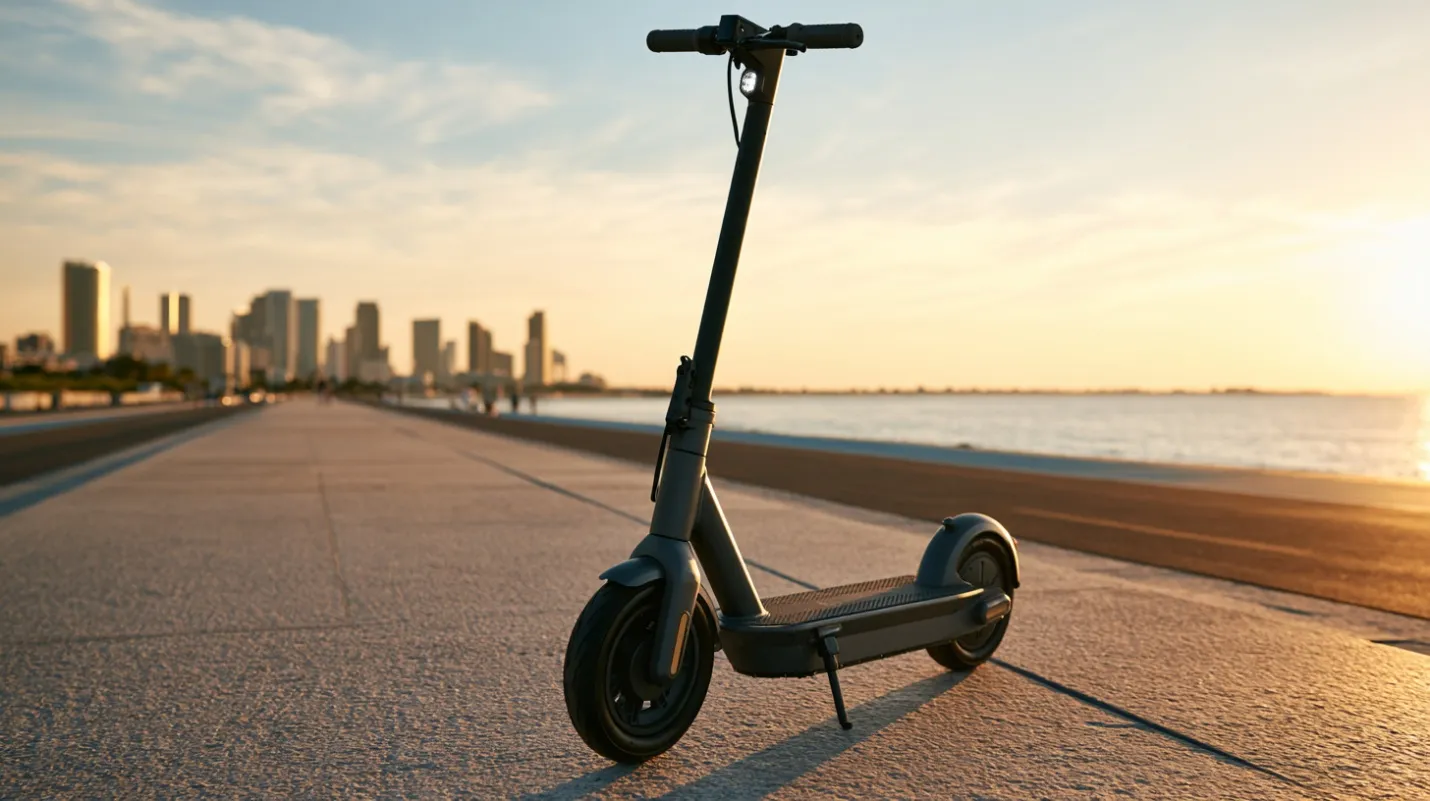
Electric scooters have become a practical transportation option for commuters, students, and recreational riders looking for convenient ways to travel short and medium distances. With improvements in battery technology and motor efficiency, many modern models offer longer travel distances, improved comfort, and features designed to make everyday journeys easier. However, choosing the right scooter requires more than simply comparing advertised speeds or prices.
A long range electric scooter can be especially useful for riders who want to travel farther between charges, reduce charging frequency, or complete daily commutes without worrying about running out of battery power. To find a suitable model, buyers should evaluate battery capacity, real-world range, motor performance, riding comfort, safety features, and overall durability. Understanding these factors helps riders select a scooter that matches their travel needs and expectations.
Understanding Battery Capacity and Riding Range
Battery performance is one of the most important considerations when comparing electric scooters. Manufacturers often advertise a maximum range, but actual performance can vary depending on riding conditions and usage habits.
Look Beyond Advertised Range
A scooter's stated range is typically based on specific testing conditions. Real-world travel distances may be shorter because of rider weight, hills, wind, temperature, tire pressure, and acceleration patterns.
When comparing models, consider the distance you expect to travel each day and allow a reasonable battery reserve. Riders who commute regularly may benefit from choosing a scooter with more range than their minimum daily requirement.
Important battery considerations include:
-
Battery capacity: Measured in watt-hours (Wh), this provides a useful indication of stored energy.
-
Charging time: Check how long a full charge takes and whether faster charging options are supported.
-
Battery longevity: Review the manufacturer's guidance on battery care and expected service life.
-
Charging convenience: Consider whether the battery is removable and whether charging is practical at home or work.
A larger battery can support longer trips, but it may also increase the scooter's weight, size, and purchase price.
Motor Performance and Riding Conditions
Choose Power That Matches Your Routes
Motor power affects acceleration, hill-climbing ability, and overall riding performance. Riders who frequently encounter steep streets may need a model designed to handle inclines more effectively than one intended primarily for flat urban roads.
However, a more powerful motor does not automatically guarantee greater range. Higher speeds and aggressive acceleration generally consume more energy, so efficient riding habits remain important.
Before purchasing, check the scooter's continuous motor rating, climbing specifications, and speed limitations. Make sure its performance complies with local regulations and is appropriate for the roads or paths where you intend to ride.
Comfort and Practical Design
Evaluate Tires, Suspension, and Riding Position
Longer journeys make comfort particularly important. Poor suspension, unsuitable tires, or an awkward riding position can make everyday travel tiring.
Depending on the intended use, consider pneumatic tires for their cushioning benefits or solid tires for their resistance to punctures. Each option has trade-offs involving maintenance, ride comfort, and traction.
Other useful design features include:
-
An adjustable or comfortable handlebar position.
-
A stable deck with sufficient foot space.
-
Suspension suited to the surfaces you regularly travel.
-
Folding mechanisms for convenient storage and transportation.
-
Adequate lighting and a display that is easy to read.
Whenever possible, test the scooter or review detailed measurements before purchasing to ensure that its dimensions and weight suit your needs.
Safety and Durability
Prioritize Reliable Braking and Visibility
A scooter designed for longer journeys should have dependable braking performance and good visibility. Disc brakes, drum brakes, or electronic braking systems may be available depending on the model, but their effectiveness depends on design, maintenance, and riding conditions.
Look for front and rear lights, reflectors, quality tires, and a stable frame. Check the manufacturer's maximum load rating and weather-resistance guidance rather than assuming the scooter can safely handle every condition.
Wearing a properly fitted helmet and following local traffic rules are also essential parts of safe riding.
Conclusion
Choosing an electric scooter with extended range involves balancing battery capacity, motor performance, comfort, safety, and portability. The best model is not necessarily the one with the highest advertised mileage, but the one that reliably meets your daily travel requirements.
By comparing real-world range expectations, charging needs, braking systems, and build quality, riders can make a more informed purchase. A carefully selected scooter can provide convenient transportation, reduce charging interruptions, and make everyday journeys more practical.