


































In this article
A new car holds its value best when you treat ownership as an ongoing record of care, not a series of repairs after problems appear. Factory coverage provides a useful safety net, but maintenance habits, service documentation, and everyday driving choices have a lasting effect on reliability and resale value. Start with the owner's manual, create a simple system for tracking work, and address unusual sounds or warning lights before a minor issue becomes an expensive one.
Beyond the Warranty Basics
Read the warranty booklet soon after purchase and note the time and mileage limits for each type of coverage. Some parts may have shorter terms than the main factory warranty, while corrosion or roadside assistance may follow separate schedules. Keeping records of maintenance and upgrades, including additions such as GPS trackers, can also help you maintain a clearer history of the vehicle over time. Store purchase documents, service receipts, and warranty correspondence together in a digital folder.
Coverage can also depend on following the required maintenance schedule. Review the service intervals carefully and keep proof of completed work, especially if you use an independent repair shop. The FTC's auto repair guidance also explains estimates, replacement parts, and written repair orders. If the factory term is close to running out, extended warranty solutions are worth comparing before it does rather than after.
Routine Maintenance Schedule
Use the manufacturer's schedule as your baseline because service intervals differ by model, engine, and driving conditions. A vehicle used for frequent short trips, heavy traffic, or dusty roads may need attention sooner than one driven mostly on open highways.
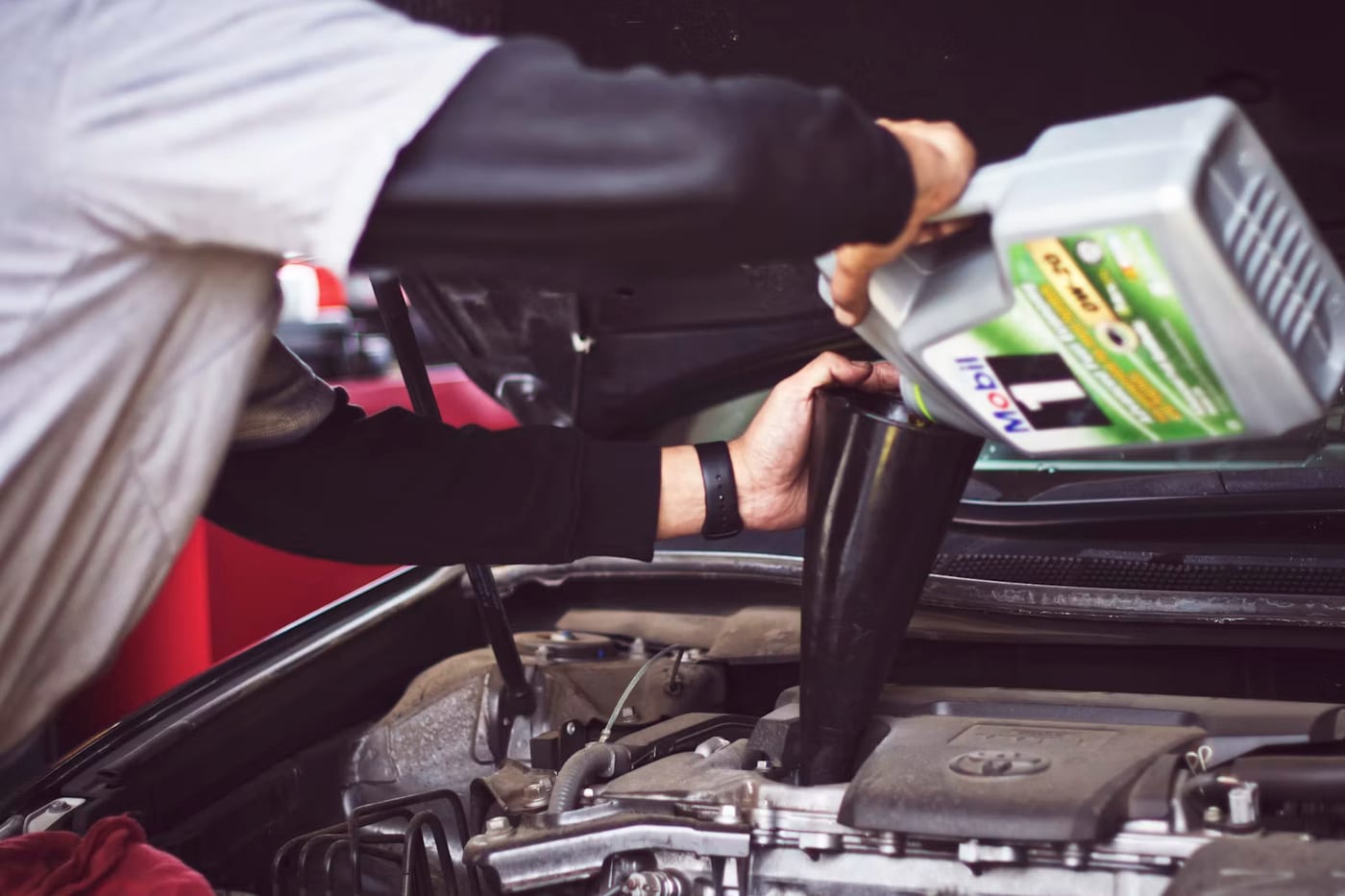
Check tire pressure monthly and before long trips. Inspect tread wear at the same time because uneven wear may point to an alignment or suspension issue. Review fluid levels, exterior lights, and windshield wipers every few weeks. Oil changes, tire rotations, cabin filters, and engine filters should follow the manual's mileage or time limits. Record the date, mileage, and service performed after every appointment.
Vetting Your Service Providers
Choose a repair shop before you face an urgent problem. Look for current technician certifications, clear labor rates, and written warranty terms. Reviews can reveal patterns, but focus on detailed comments about diagnosis quality, communication, and how the shop handled follow-up concerns. Resources such as bestautorepair.us can also help you compare local providers based on factors such as reviews, certifications, warranty coverage, and service history.
Call two or three candidates and ask how they document inspections. A professional estimate should identify the problem, list parts and labor separately, and explain which work requires immediate attention. Be cautious if a provider won't return replaced parts when requested or pressures you to approve unrelated work without evidence. For a first visit, schedule a routine service such as a tire rotation. That low-risk appointment lets you assess punctuality, cleanliness, and communication before trusting the shop with a complex repair.
Long-Term Value Strategies
Protect the cabin and exterior from gradual wear. Wash away road salt, tree residue and bird droppings promptly, then repair small paint chips before moisture reaches exposed metal. Use fitted floor mats and clean spills quickly to prevent permanent stains or odors.
Driving habits matter too. Smooth acceleration, steady braking, and allowing the engine to reach normal operating temperature can reduce strain on major components. Avoid carrying unnecessary weight and respond promptly when the vehicle starts pulling, vibrating, or using more fuel than usual. For a closer look at mechanical longevity, read this guide to protecting your car's drivetrain.
Keep a dated file of maintenance invoices, inspection results, and recall work. That habit is the whole argument behind car maintenance records. When it's time to sell or trade the car, those records give a buyer clear evidence that the vehicle received consistent care. A complete service history can also help a technician spot recurring issues without repeating earlier diagnostic work.
Set calendar reminders for the next oil service, tire rotation, and annual inspection as soon as each appointment ends. That small habit keeps maintenance from slipping past its due date and helps your new car remain dependable well beyond its first years on the road.