

































In this article
For snowbirds heading from New York to Florida, driving can look cheaper at first glance. You already own the car, so why pay someone else to move it? The answer depends on the complete travel budget. Fuel is only part of the driving calculation, just as the transport quote is only part of the shipping calculation. A fair comparison includes both expenses and the time each option requires.
Start With Your Actual Driving Costs
Calculate fuel by dividing your planned route mileage by your vehicle's expected highway fuel economy, then multiplying by the fuel price you expect to pay. Use your specific destination: a trip ending in Jacksonville is different from one continuing to Miami.
Next, add overnight accommodations, tolls, parking, and the extra food spending created by the trip. Count only the amount above your normal meal budget, since you would still eat at home. Include pet fees if applicable and use hotel totals that include taxes.
Keep mileage-related wear separate from immediate cash expenses. Tires, maintenance, and depreciation matter, but they do not all become payable when you arrive. Avoid adding a broad per-mile vehicle allowance on top of fuel if that allowance already includes fuel. That longer-run figure is its own calculation, and it is the one covered in total cost of ownership.
Build the Complete Shipping Budget
The alternative calculation starts with a written transport quote, then adds transportation for you and anyone traveling with you. Include airfare, baggage charges, airport transfers, and any temporary transportation needed before vehicle delivery.
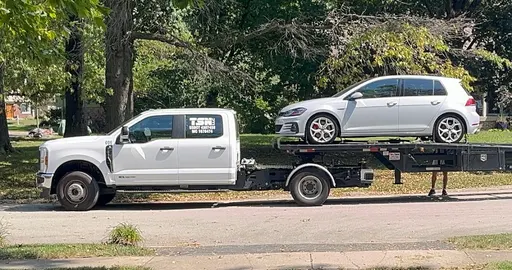
When researching shipping your car to Florida for the winter, Navi Auto Transport's route guide offers background on New York-to-Florida service. Request an estimate for your exact vehicle, addresses, and dates rather than treating a general route price as your final cost.
Clarify pickup and delivery windows before purchasing flights around them. Also ask about personal belongings; do not assume the vehicle can carry everything you would pack for a road trip. Our own nationwide vehicle shipping page sets out what a transport booking normally covers.
A Sample Calculation With Transparent Assumptions
The following figures are hypothetical budgeting inputs, not current market prices or a company quote. Assume one traveler, a 1,300-mile drive, fuel economy of 30 miles per gallon, and gasoline at $3.50 per gallon.
- Fuel: 1,300 ÷ 30 × $3.50 = approximately $152.
- Two hotel nights at $150 each, including taxes: $300.
- Additional meal spending: $75.
- Tolls and parking: $40.
- Total immediate driving expenses: approximately $567.
Now assume an $850 shipping quote, a $180 flight, and $70 for baggage and airport transfers. That totals $1,100, before any rental car or other temporary transportation. In this example, shipping costs about $533 more in immediate spending. Vehicle wear and the value of your time remain separate considerations.
Decide What the Difference Is Worth
Replace every sample figure with your own numbers. Traveling as a couple adds another airfare to the shipping option, while sharing a hotel room may leave driving accommodation costs unchanged. Staying with family could reduce the road-trip budget further.
Driving may suit travelers who enjoy the journey and have a flexible schedule. Shipping may justify its additional cost for someone who wants to avoid long driving days. Calculate the dollar difference first, then decide what that difference is worth in comfort, convenience, and time.