

























In this article

It's easy to start shopping for a new car by looking at what catches your eye. Start with how the car will fit into your everyday life, from your commute and passengers to the things you regularly carry. Comfort, storage space, fuel costs, and practicality will matter much more after the excitement of a new car wears off. Before you visit a dealership, write down what a normal week behind the wheel looks like. That simple exercise can help you narrow down your options and avoid paying for features you probably won't use.
Assess Your Daily Commute
Start with the distance, road conditions, and parking situation you face most often. A compact sedan or small crossover may suit a 10-mile city commute with tight parking, while a larger model can feel more comfortable during long highway drives. Consumer Reports offers a helpful overview of which vehicle type to buy based on common needs.
Think about traffic too. Adaptive cruise control can reduce fatigue on crowded highways, while an efficient hybrid or electric vehicle may lower energy costs in stop-and-go driving. If electric driving interests you, this detailed look at the 2026 Tesla Model Y Long Range AWD provides a useful example of range, performance, and everyday practicality.
Consider Passenger and Cargo Needs
Count the people you carry regularly, then consider occasional passengers. A couple may need only two comfortable rows, but families who handle school carpools could benefit from a third row. Sit in every seating position during your search because a listed seat count doesn't guarantee enough adult legroom.
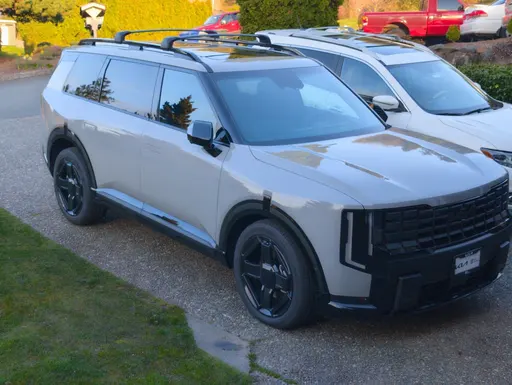
Cargo measurements also deserve a real-world test. Bring the stroller, sports bag, or folding mobility aid you use frequently and check how easily it fits. Shoppers comparing roomy family SUVs might include the 2026 Ford Explorer among the models they evaluate. Pay attention to lift-over height, the rear-seat folding mechanism, and the storage space left when all seats are occupied.
Budgeting for Ownership Costs
Set a total monthly transportation budget before discussing financing. Include the payment, insurance, registration, energy or fuel, routine service, and a reserve for unexpected repairs. A vehicle with an affordable sticker price can still strain your budget if it has high insurance premiums or uses considerably more fuel than competing models. The full picture is what total cost of ownership sets out to measure.
Compare estimated efficiency through the Federal Fuel Economy Information for New Car Buyers. Then request insurance quotes for two or three specific models since rates can vary even among similarly priced vehicles. If you're financing, compare the loan term and total interest paid, not only the monthly payment shown on a worksheet.
Match Your Vehicle to Your Adventures
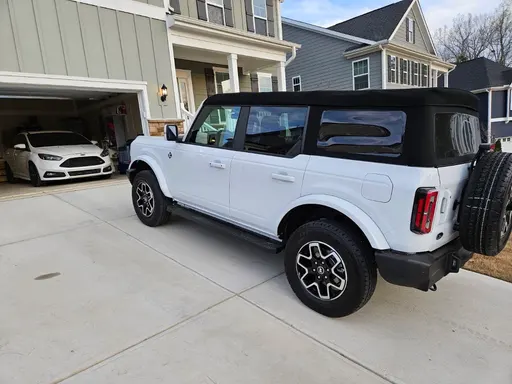
Your free time can reveal needs that a weekday commute doesn't. Frequent road trips may call for supportive seats, quiet highway manners, and easy access to charging or fuel stops. Camping weekends and outdoor recreation could make washable cargo surfaces, roof rails and extra ground clearance more useful.
Be realistic about frequency. Renting a larger vehicle for one annual group trip may cost less than owning an oversized model all year. At the same time, someone who carries bikes or bulky equipment twice a month will appreciate built-in cargo flexibility. Check the owner's manual for roof-load limits and accessory requirements before assuming a vehicle can handle your favorite equipment.
Long-Term Value and Features
Think about how your household could change during the time you expect to own the car. A growing family may need more rear-seat space, while a future move could change your commute or parking setup. Choose enough flexibility for likely changes without paying for capacity you probably won't use. The right final choice should feel easy to live with on an ordinary Monday, and not only exciting during a short dealership drive.