






































In this article
Tires are one of the most important parts of any vehicle, yet they are often treated like background characters in the grand automotive story. Engines get admiration. Paint jobs get compliments. Sound systems get upgraded with the enthusiasm of a spaceship launch sequence. Meanwhile, tires quietly carry the entire operation through rainstorms, potholes, highway speeds, gravel roads, and parking lots designed by people who apparently despise turning radiuses.
The truth is that choosing the right tires can dramatically affect safety, comfort, fuel efficiency, handling, and overall driving experience. The wrong tires can leave a vehicle feeling noisy, unstable, sluggish, or unreliable during bad weather. The right tires, on the other hand, can make a car feel smoother, more responsive, and far more confident on the road.
With so many tire types, brands, sizes, and performance ratings available, choosing the best option can feel like decoding an ancient rubber prophecy. Fortunately, understanding a few basics makes the process much easier.
Here is what drivers should know when choosing the right tires for their specific driving needs.
Understand Why Tires Matter
Tires are the only part of your vehicle that actually touches the road. Each tire maintains a contact patch roughly the size of a hand, yet those four small patches are responsible for:
- Acceleration
- Braking
- Steering
- Cornering
- Traction
- Ride comfort
The right tires help improve safety and handling in different weather conditions while also affecting road noise, fuel economy, and tread life.
Poor tire choices can reduce traction, increase stopping distances, and create uncomfortable or unpredictable driving behavior.
Choosing tires should never be based solely on price. Cheap tires may save money upfront but often wear faster, perform worse, and reduce overall driving confidence.
Start With Your Vehicle’s Recommended Tire Size
Every vehicle is designed for specific tire sizes and load capacities.
You can usually find the recommended tire information:
- Inside the driver-side door frame
- In the owner’s manual
- On the current tire sidewall
A tire size might look something like this:
225/65R17
While it resembles the password to a heavily guarded laboratory vault, each number has meaning.
- 225 = tire width in millimeters
- 65 = aspect ratio (sidewall height)
- R = radial construction
- 17 = wheel diameter in inches
Using incorrect tire sizes can negatively affect:
- Speedometer accuracy
- Fuel economy
- Suspension performance
- Handling
- Safety systems
Unless you are intentionally upgrading wheels or working with a professional, sticking close to manufacturer recommendations is usually the safest approach.
Consider Your Climate and Weather Conditions
Weather plays a major role in tire performance.
A tire that performs beautifully during warm, dry summer driving may struggle badly in snow or freezing temperatures.
All-Season Tires
All-season tires are the most common option for everyday drivers.
They are designed to provide balanced performance in:
- Dry conditions
- Rain
- Mild winter weather
For drivers in moderate climates without severe winters, all-season tires often provide the best combination of convenience, comfort, and longevity.
However, despite the name, all-season tires are more like “most-season” tires. Heavy snow and icy roads can still overwhelm them.
Winter Tires
Winter tires are specifically designed for cold temperatures, snow, and ice.
Their softer rubber compounds remain flexible in freezing conditions, improving traction and braking performance.
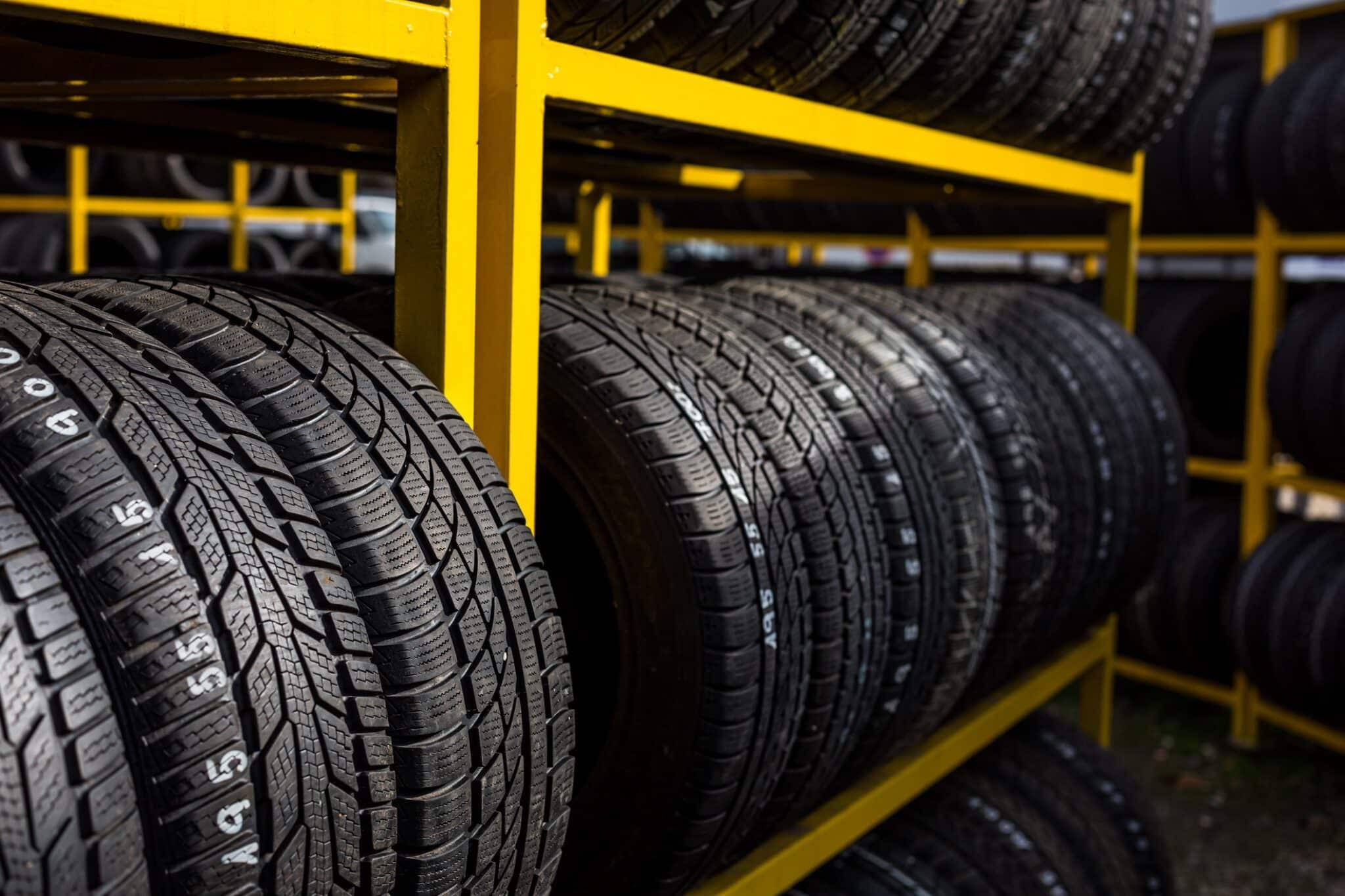
Winter tires also feature specialized tread patterns that help grip snow-covered roads.
Drivers in areas with frequent snowstorms or icy winters often benefit greatly from dedicated winter tires.
Driving on winter roads with proper winter tires can feel like switching from dress shoes to mountain boots halfway through a blizzard.
Summer Tires
Summer tires prioritize dry and wet road performance during warm weather.
They typically offer:
- Sharper handling
- Better cornering grip
- Shorter braking distances
However, summer tires perform poorly in cold weather and should not be used in freezing temperatures or snow.
These are often popular among sports car owners or performance-oriented drivers.
Match Tires to Your Driving Habits
The best tire for one driver may be completely wrong for another.
Consider how and where you drive most often.
Highway Commuters
Drivers who spend long hours on highways often prioritize:
- Quiet rides
- Fuel efficiency
- Long tread life
- Comfort
Touring tires are frequently a strong option for highway driving because they focus on smoothness and durability.
City Drivers
Urban driving involves frequent stops, potholes, rough pavement, and constant turning.
Drivers in cities may benefit from tires with:
- Strong sidewalls
- Good wet traction
- Comfortable ride quality
Off-Road Drivers
Drivers who frequently travel on dirt roads, gravel, mud, or trails need more aggressive tread designs.
All-terrain or mud-terrain tires offer improved traction on rough surfaces but may create additional road noise and reduce fuel efficiency on pavement.
Performance Enthusiasts
Drivers who value handling and cornering precision may prefer performance tires with enhanced grip and responsiveness.
These tires often trade longer tread life for improved driving dynamics.
Understand Tire Tread Patterns
Tread design affects traction, noise, and performance in different conditions.
Symmetrical Tread
Symmetrical tread patterns are common on passenger vehicles and provide:
- Quiet rides
- Long tread life
- Smooth handling
Directional Tread
Directional tread patterns are designed to channel water efficiently and improve wet traction.
These tires must rotate in a specific direction.
Asymmetrical Tread
Asymmetrical tires combine different tread features to balance handling, traction, and comfort.
These are often found on performance-oriented vehicles.
Tread patterns may look like abstract futuristic art carved into rubber, but every groove and channel serves a purpose.
Pay Attention to Tread Life Ratings
Many tires include treadwear ratings that estimate expected lifespan under controlled testing conditions.
Higher treadwear numbers generally indicate longer-lasting tires.
For example:
- 300 rating = softer, higher-grip tire
- 700 rating = longer-lasting tire
Drivers should remember that real-world lifespan depends heavily on:
- Driving habits
- Road conditions
- Tire maintenance
- Alignment
- Tire pressure
Aggressive driving can erase tread life with astonishing speed, like a raccoon attacking an unattended sandwich.
Check Tire Traction and Temperature Ratings
Tires are often graded for traction and heat resistance.
Traction Ratings
Common traction grades include:
- AA
- A
- B
- C
Higher grades indicate better wet braking performance.
Temperature Ratings
Temperature ratings measure how well tires resist heat buildup.
Common ratings include:
- A
- B
- C
Heat resistance becomes especially important during highway driving and hot weather.
Think About Ride Comfort and Noise
Some tires prioritize sporty handling while others focus on quiet, comfortable driving.
Low-profile performance tires may improve cornering but can create:
- More road noise
- Firmer rides
- Increased vulnerability to pothole damage
Touring tires generally provide smoother and quieter rides, making them ideal for daily commuting and long-distance travel.
Choosing between comfort and performance often depends on personal preference and driving style.
Fuel Efficiency Matters Too
Certain tires are designed to reduce rolling resistance, which can improve fuel economy.
Low rolling resistance tires help engines work less to keep the vehicle moving.
For drivers with long commutes or high annual mileage, fuel-efficient tires may provide noticeable savings over time.
However, maximizing fuel efficiency sometimes involves slight trade-offs in grip or performance.
Don’t Ignore Load and Speed Ratings
Tires are engineered to support specific weight loads and speed capabilities.
Load ratings determine how much weight each tire can safely carry.
Speed ratings indicate the maximum speed the tire can safely sustain under proper conditions.
Using tires with inadequate load or speed ratings can create serious safety risks.
Most drivers should simply choose tires that meet or exceed manufacturer recommendations.
Consider Tire Maintenance Costs
Some tires may cost less initially but wear out much faster.
Others may offer better long-term value through:
- Longer tread life
- Better fuel efficiency
- Improved durability
When comparing tires, consider total ownership value rather than only purchase price.
Installation, balancing, alignment, and future replacement frequency all affect long-term costs.
Regular Tire Maintenance Is Essential
Even the best tires perform poorly if neglected.
To maximize tire lifespan and safety:
- Check tire pressure monthly
- Rotate tires regularly
- Maintain proper wheel alignment
- Inspect for uneven wear
- Replace damaged tires promptly
Underinflated or misaligned tires wear faster and reduce performance.
Proper maintenance helps protect your investment and improve safety year-round.
Know When It’s Time to Replace Tires
Tires should be replaced when tread becomes dangerously worn or damage appears.
Warning signs include:
- Low tread depth
- Cracks in sidewalls
- Bulges
- Frequent air loss
- Uneven wear
- Vibrations
Many tires include built-in tread wear indicators that become visible when replacement is needed.
Driving on severely worn tires increases stopping distances and reduces traction dramatically, especially during rain or snow.
Final Thoughts
Choosing the right tires is about more than rubber and tread patterns. It is about matching your vehicle to your driving habits, weather conditions, comfort preferences, and safety priorities.
The best tire for your needs depends on where you drive, how you drive, and what kind of performance matters most to you.
A thoughtful tire choice can improve traction, comfort, fuel economy, braking performance, and overall driving confidence throughout the year.
After all, tires are not merely accessories bolted onto your vehicle. They are the four loyal guardians standing between your car and the unpredictable chaos of the road ahead.