
























In this article
You don’t need to be an expert negotiator to get a great price on your next car. It really just comes down to being prepared and knowing what to look for. If you do your homework before even stepping into a dealership or meeting a private seller, you’ll feel much more confident and clear-headed during the conversation.
Preparation Before You Shop
Doing your research is your biggest advantage when negotiating. Before you start shopping, look up the specific makes and models you’re interested in. Websites like Kelley Blue Book or Edmunds can help you figure out a fair market value for the car, considering its age, mileage, and condition. This gives you a realistic price range and a good starting point. It’s also smart to get pre-approved for a loan from your bank or credit union. This shows sellers you’re serious and keeps you from getting stuck with potentially bad financing options from a dealer. Understanding the basics of negotiating the car deal before you begin is just as important as knowing what the car is worth.
Assessing Vehicle Condition
What a car is advertised as and what it’s actually like can be totally different. A thorough inspection is a must-do. When you take it for a test drive, pay attention to how it handles, brakes, and speeds up. Listen for any weird noises from the engine or suspension. Make sure all the electronics work, from the power windows to the entertainment system. For any used car, it’s a really good idea to have a neutral, third-party mechanic do a pre-purchase inspection (PPI). The small cost of a PPI is nothing compared to how much you might pay for hidden mechanical problems later. Any issues found during this check give you strong leverage when you talk about the price.
The Role of Tires in Vehicle Value
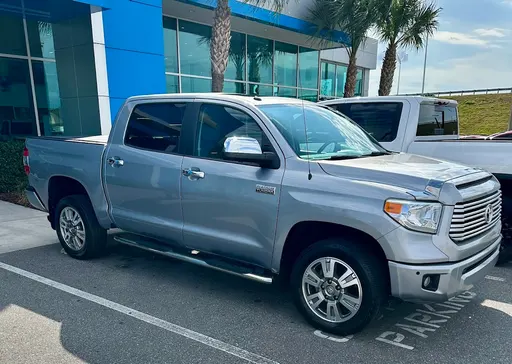
Buyers often overlook tires, but they’re an important part of a vehicle’s safety and overall value. Worn or mismatched tires can indicate that a vehicle hasn’t been well maintained and may need replacement sooner than expected. The cost of replacing them is worth factoring into your negotiations. Check the tread depth on all four tires and look for uneven wear, which could point to alignment or suspension issues. Some sellers may install inexpensive tires simply to make a vehicle more appealing for sale. If you’re looking at a pickup, don’t overlook the condition of its current tires. If a replacement is likely in the near future, budgeting for a quality set of truck tires can help you better estimate the vehicle’s overall ownership costs.
Mastering the Negotiation Process
Once you’ve done your research and checked out the car, you’re ready to talk numbers. Always negotiate based on the “out-the-door” price, which includes all taxes, fees, and charges. This stops dealers from agreeing to a low car price only to tack on thousands in hidden fees later. Start with a reasonable offer that’s below your target price, but not so low that it seems like a joke. Be polite, firm, and ready to back up your offer with the research and inspection findings you’ve gathered. There are many expert tips for buyers that can help guide you, but your most powerful tool is being willing to walk away if the deal isn’t right.
Avoiding Common Pitfalls
Sellers, especially at dealerships, have a bunch of tricks they use to make the most profit. One common tactic is to focus on the monthly payment instead of the total price, which can hide a higher overall cost. Be careful of high-pressure sales that try to rush your decision. Another area to watch out for is the finance office, where they’ll often offer you a long list of extras like extended warranties, paint protection, and VIN etching. While some might be useful, they’re often way overpriced. Politely say no to any extras you haven’t researched and decided you actually need beforehand.
Going through the process step-by-step can turn what might be a stressful experience into one where you feel in control. A great deal is out there for the buyer who’s ready to find it.