In this article
A new car can lose its showroom finish faster than most owners expect, especially on Houston’s debris-heavy freeways where rock chips can appear within miles of leaving the dealership. Jay The Wrap Specialist, based in Sugar Land at 10555 Synott Rd #B-700, is the shop that wrapped NASA’s Orion Space Capsule for the Artemis Project, bringing that same precision to protecting everyday vehicles.
Houston Roads Are Harder on Paint Than Most Drivers Realize
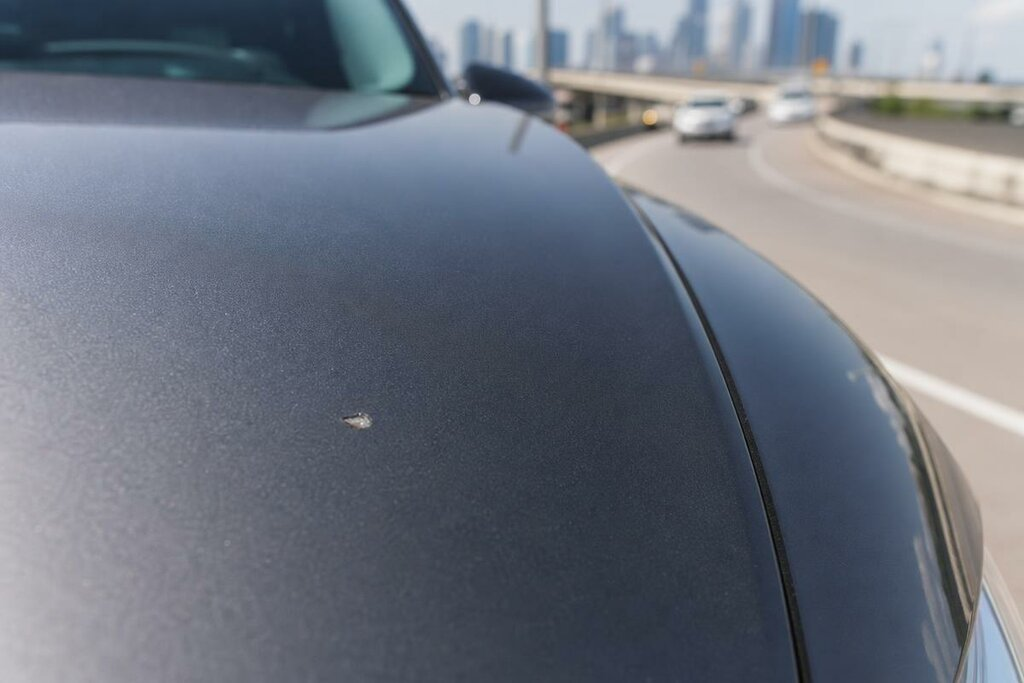
Houston’s I-10, Beltway 8, and US-59 work zones throw loose aggregate constantly. Gulf Coast UV and triple-digit summer heat begin degrading unprotected paint from day one. Most Sugar Land and Missouri City drivers log serious freeway miles before the car ever reaches the garage. Between the humidity, pollen, and relentless sun, factory clear coatsface a tougher climate here than in drier or milder regions.
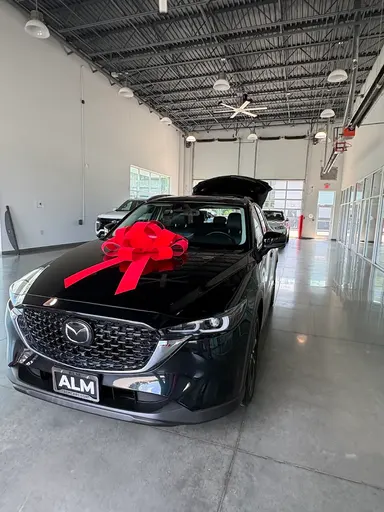
Jay The Wrap Specialist paint protection film is applied before the car ever sees that first highway. It shields factory clear coats from chips, UV oxidation, and highway gravel from the start.
What Paint Protection Film Actually Does to Your Car's Surface
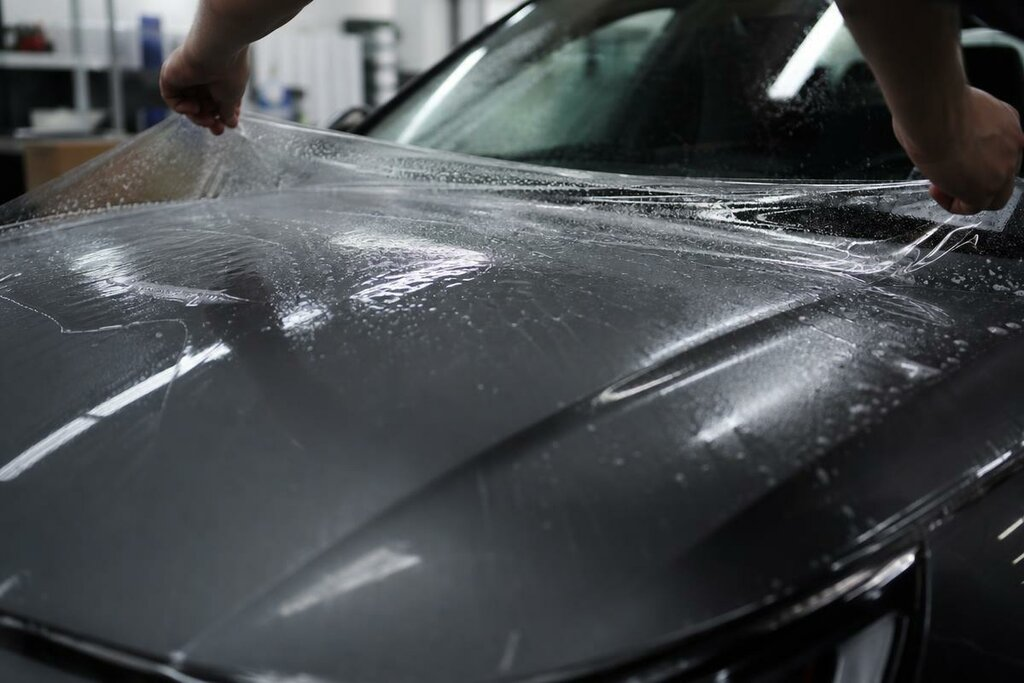
Paint protection film is a thermoplastic urethane (TPU) film bonded directly over factory paint. It absorbs kinetic energy from freeway projectiles and minor abrasions before any force can cut through the clear coat. The shop works with premium film lines including XPEL, SunTek, and 3M, matching the product to the vehicle and the owner’s priorities.
The film is available in gloss and matte finishes. Gloss is nearly invisible and enhances paint depth; matte delivers a striking satin appearance without repainting. Both preserve the original surface underneath. Coverage packages range from a partial front (bumper, partial hood, mirrors, and fenders) to a full-vehicle wrap, depending on weekly highway mileage.
The Physical Barrier
TPU film acts as a sacrificial layer, when debris strikes, the film flexes and absorbs the impact while factory paint stays untouched. Professional-grade PPF holds up for a decade or more with proper maintenance, covering years of I-10 commutes, Gulf Coast UV exposure, and 100°F+ heat that pushes clear coat to its limits. Unprotected paint oxidizes noticeably faster under those same conditions.
Self-Healing Technology
The self-healing top coat is a polymer layer formulated to flow back into minor surface scratches when heat is applied. On a July afternoon in Sugar Land, sunlight alone can erase light car-wash brush marks or faint scuffs; a warm-water rinse produces the same result. Owners who park under oak canopy deal with sap, pollen, and grit constantly, and the self-healing surface prevents those contaminants from leaving permanent marks.
Self-healing is not unlimited, however. It addresses surface-level marks only. A scratch deep enough to feel with a fingernail, one that cuts through the film itself, will not disappear with heat.
Frequently Asked Questions
How Long Does PPF Last?
Professional-grade PPF typically lasts a decade or more with proper care. Reputable lines such as XPEL, SunTek, and 3M carry manufacturer warranties of roughly ten years covering yellowing, cracking, and delamination. Longevity depends heavily on installation quality and film brand.
Will PPF Change the Way My Car Looks?
Gloss PPF enhances factory paint depth and sits nearly invisible on the surface. Matte PPF delivers a satin finish that shifts the vehicle’s visual character without obscuring the original color. Neither option hides what is underneath.
Can PPF Be Installed Over a Vinyl Wrap?
PPF goes under a vinyl wrap, not over it. The film protects factory paint before a color-change wrap is applied on top. For vinyl surfaces, ceramic coating is the preferred topcoat. Drivers planning a full color change should address paint protection film first, before any wrap goes on.
How Soon After Buying a New Car Should PPF Be Applied?
Apply PPF within the first week of purchase, before the first highway drive. Sugar Land and Missouri City commuters heading into downtown via US-59 or Beltway 8 encounter loose aggregate on nearly every trip, and active work zones along I-10 and the Beltway can produce rock chips almost immediately after leaving the lot. A chip-free surface is the ideal substrate for film adhesion and ensures the paint being protected is still factory-perfect.
Does PPF Help With Resale Value?
Factory paint in flawless, chip-free condition commands a measurably higher resale price. Houston’s Gulf Coast UV index and triple-digit summer heat accelerate oxidation on unprotected paint, directly lowering condition scores used by dealerships and private buyers. PPF preserves the original paint beneath it, making that protection a verifiable selling point at trade-in, one of the strongest ROI arguments for the product.
What Maintenance Does PPF Require?
No special soap or wax is required after installation. During Houston’s heavy pollen and humidity months, washing every one to two weeks keeps organic buildup off film edges. Use a pH-neutral car soap, hand-dry to prevent water spotting, and avoid aiming high-pressure jets directly at seams. The self-healing top coat handles minor surface marks on its own, and post-install inspections allow any lifted edges to be addressed early.
About Jay The Wrap Specialist
Jay The Wrap Specialist is a vehicle wrap and paint protection studio based at 10555 Synott Rd, #B-700, Sugar Land, TX 77498, serving drivers across the Greater Houston Area including Bellaire, Missouri City, Stafford, and Memorial. The team’s credentials include wrapping the NASA Orion Space Capsule for the Artemis Project and recognition by BuzzFeed as one of the most sought-after wrap installers in the United States.
With more than 4 million social media followers, the studio has built a nationally recognized reputation for flawless results across vehicle wraps, color change wraps, chrome finishes, and paint protection film.
Business Name: Jay The Wrap Specialist
Address: 10555 Synott Rd, #B-700, Sugar Land, TX 77498
Phone Number: (346) 245-4998