










Buying a car is one of the biggest financial decisions many of us make. While everyone focuses on the initial price tag, the true cost of ownership is over years of use. Protecting that investment means more than just driving carefully; it requires a smart, consistent approach to maintenance.
This keeps your vehicle valuable, safe, and reliable for the long haul.
Beyond the Purchase Price
The true cost of owning a vehicle goes far beyond the monthly payment. It includes fuel, insurance, and the unavoidable costs of maintenance and repairs. It helps to think of these ongoing costs as part of the original investment.
When you plan for regular upkeep from the start, you switch from just fixing problems when they happen to actively preserving what you own. This approach not only prevents expensive, unexpected repairs but also boosts your car’s resale value and makes it last longer. A well-maintained car is simply more dependable and cheaper to own over time.
Essential Servicing Schedules
Your car’s manufacturer provides a detailed service schedule for good reason. These guidelines are designed to keep your car running well and deal with wear and tear before it becomes a big issue. Following these intervals for things like oil changes, tire rotations, fluid checks, and brake inspections is the most effective way to protect your investment.
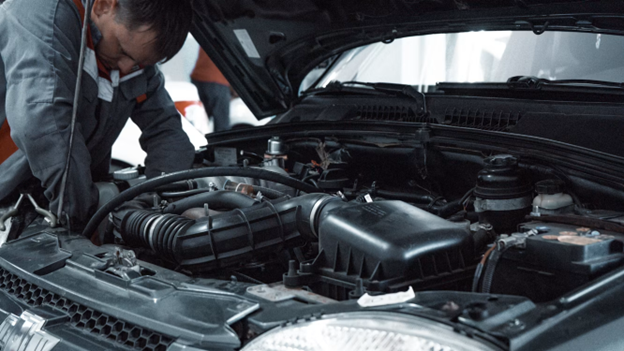
While you can do some minor tasks at home, a qualified mechanic has the right diagnostic tools and expertise to spot hidden problems you might miss. Regular professional servicing makes sure critical systems work correctly, keeping you safe and stopping small issues from turning into huge failures.
Proactive vs. Reactive Repairs
There are two main ways to approach car care: proactive maintenance or reactive repairs. The reactive way means waiting for something to break before you deal with it, like a dashboard warning light, a strange noise, or a complete breakdown. This often leads to higher costs, more hassle, and possible safety risks.
Proactive maintenance, on the other hand, focuses on preventing problems. It means replacing parts like belts, hoses, and fluids at recommended times, even if they haven’t failed yet. This strategy helps you make your car last longer and greatly reduces the chance of getting stuck on the side of the road. For example, replacing a timing belt on schedule might cost a few hundred dollars, but if you wait for it to break, you could face thousands in engine damage.
Understanding Your Vehicle’s Needs
Every car is different, and its maintenance needs depend on its age, model, and how you drive. A car used mostly for short city trips will wear differently than one used for long highway commutes. Extreme weather, whether hot or cold, can also put extra stress on the engine, battery, and tires.
Take the time to read your owner’s manual to understand your car’s specific needs. Pay attention to how your car performs, listen for unusual sounds, and check fluid levels regularly. A little awareness goes a long way and is a key part of any plan that protects your engine and other vital components.
Thinking of car maintenance as a necessary part of ownership, rather than an annoying expense, is crucial for protecting your investment. Consistent care ensures your vehicle stays safe, reliable, and holds its value for years to come.