





In this article
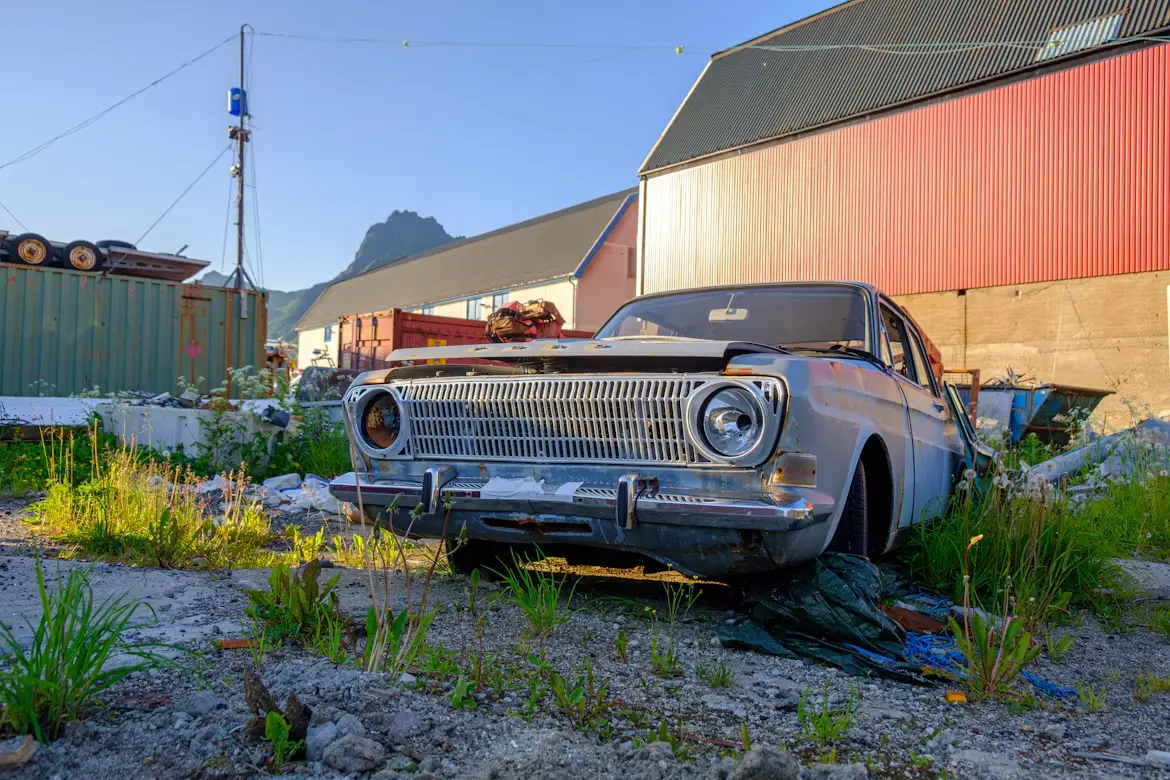
An unwanted car can still hold real value, even when it no longer starts or costs more to repair than it’s worth. The key is separating recoverable value from wishful thinking. Parts, recyclable materials and remaining market demand can all influence what you receive.
Before accepting the first offer, gather the car’s details, check your financial position and compare disposal options. A few accurate numbers can keep hundreds of dollars from disappearing during the sale.
Stop Leaving Free Equity on the Table
Start with the basics: record the make, model, year, mileage and overall condition. Note any working parts, recent replacements and major damage. Keep the title or ownership documents nearby since missing paperwork may reduce an offer or delay removal.
Request several quotes based on the same description so you can compare them fairly. Ask if towing, paperwork and processing are included. If you’re in Albury or Wodonga, car wreckers can assess unwanted vehicles for removal and responsible recycling. Remove personal belongings and cancel any toll account linked to the license plate before pickup.
Why Private Sales Fail for Broken Cars
Private listings work best when a vehicle runs, passes inspections and can be test-driven. A broken car attracts a much smaller group of buyers, many of whom expect a steep discount to cover unknown repair costs. You may also spend weeks answering messages, arranging viewings and renegotiating after each inspection.
Outstanding finance creates another complication. Check the exact payoff figure before advertising because the loan balance may exceed the vehicle’s sale value. Guidance on an upside-down car loan explains why owners may need to cover a shortfall. Never promise clear ownership until you know how the lender will release its interest.
Contact Car Wreckers for Immediate Removal
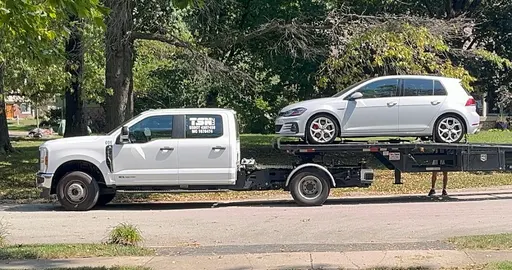
Vehicle removal services can be practical when repair estimates exceed the car’s realistic value or storage fees are growing. Give the service an accurate description, including whether the car rolls, whether all major components remain and how easily a tow vehicle can access it. Clear details reduce the chance of a revised quote at pickup.
Confirm the payment amount, pickup window and paperwork requirements in writing. Ask what happens to the vehicle after collection, especially if responsible material recovery matters to you. Before handing it over, remove registration plates if local rules require it, photograph the condition and keep a signed receipt showing the date of transfer.
Roll Salvage Proceeds Into Your Next Deal
Treat the proceeds as part of your next car budget, not as spare cash. Put the payment toward a down payment, inspection fee or registration costs. Even a modest amount can lower the sum you need to finance and reduce interest over the loan term.
Avoid carrying an old shortfall into a new agreement if possible. Reporting on negative equity car loans shows how rolled-over balances can leave buyers owing more than their replacement vehicle is worth. Set your maximum purchase price before visiting sellers and reserve money for an independent inspection. Once the old car is collected, transfer its proceeds into that dedicated vehicle fund the same day.