












In this article
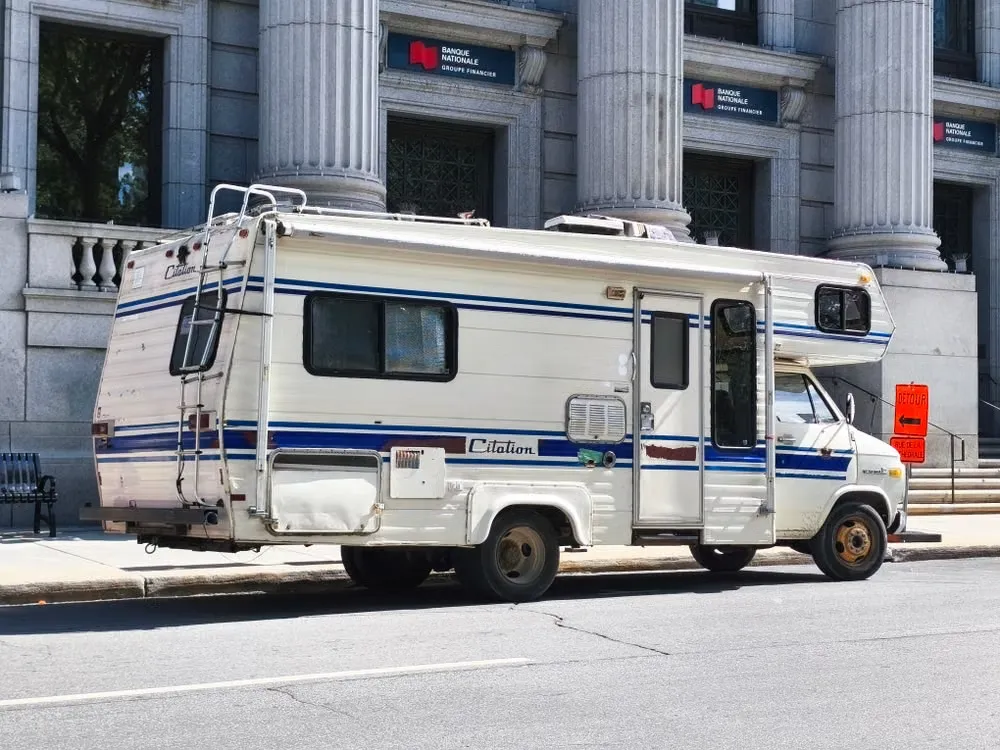
An RV purchase combines a vehicle, living space, and several onboard systems into one expensive package. That complexity changes how you should compare prices, inspect condition and negotiate terms. A low monthly payment can hide a long loan, while attractive interior finishes can distract from payload limits or poor access to service.
Treat the process as a specialty purchase and arrive with written priorities, independent financing options and enough time to inspect every major system.
Dealership Tactics on Specialty Lots
Expect the salesperson to shift attention among the trade-in value, down payment, monthly cost, and purchase price, a common tactic before car negotiation services save buyers thousands. This resembles the four-square sales tactic used at car dealerships, but an RV’s extra equipment creates even more room for confusing numbers.
Keep each part of the deal separate. First, ask for the full selling price, with destination fees and dealer-installed items listed. Discuss financing only after settling that figure, then handle your trade-in as its own transaction. Ask for a printed buyer’s order before leaving a deposit. If the dealership won’t provide an itemized total, you don’t have enough information to compare its offer with another lot.
Chassis Mechanics Versus Interior Amenities
Inspect the mechanical platform before getting attached to theater seating, decorative lighting or premium cabinetry. Record the chassis maker, engine specifications, mileage, tire age and maintenance history. Pay close attention to cargo capacity because passengers, water, and personal belongings can quickly use up the available allowance.
Once those basics pass inspection, compare floor plans and household features. A best class C RV guide can help you identify models and features worth adding to your shortlist. For a used unit, hire qualified inspectors who can assess both the vehicle components and the living area. A test drive won’t reveal a roof leak, faulty refrigerator or hidden moisture behind a wall.
Pinpoint the Right Platform Size
Choose dimensions based on how you’ll use the RV most often. A family taking month-long trips may need permanent beds and generous storage, while two people making weekend visits may prefer easier parking and a shorter wheelbase. Don’t size the unit around one hypothetical trip that may never happen.
Measure your driveway or storage space, then check height restrictions at places you expect to visit. Review the manufacturer’s weight label and estimate the combined load of passengers, supplies, water and accessories. During the test drive, use city streets, highway ramps and a parking lot. You should know how the RV accelerates, turns, brakes and fits into a standard space before discussing final numbers.
Walk Away from Inflated Add-On Packages
Extended service contracts, paint treatments, interior protection plans and bundled accessories can add thousands of dollars at the finance desk. Ask for the price and terms of every product in writing. Check deductibles, exclusions, claim procedures and cancellation rules before accepting any coverage.
Protect your negotiating position by avoiding the personal details covered in this list of salesperson conversation mistakes. Revealing your maximum monthly budget gives the dealership room to stretch the loan term while keeping the payment familiar. Focus on the total amount paid, including interest and fees. Decline any package you haven’t researched independently, especially when the seller claims it’s available only that day.
Before signing, compare the final buyer’s order with the quote you approved. Verify the model year, mileage, fees, warranty terms and promised repairs. The right deal should still look reasonable when every number appears on one page, without verbal assurances filling the gaps.