

























Introduction: A New Era for the Automotive Industry
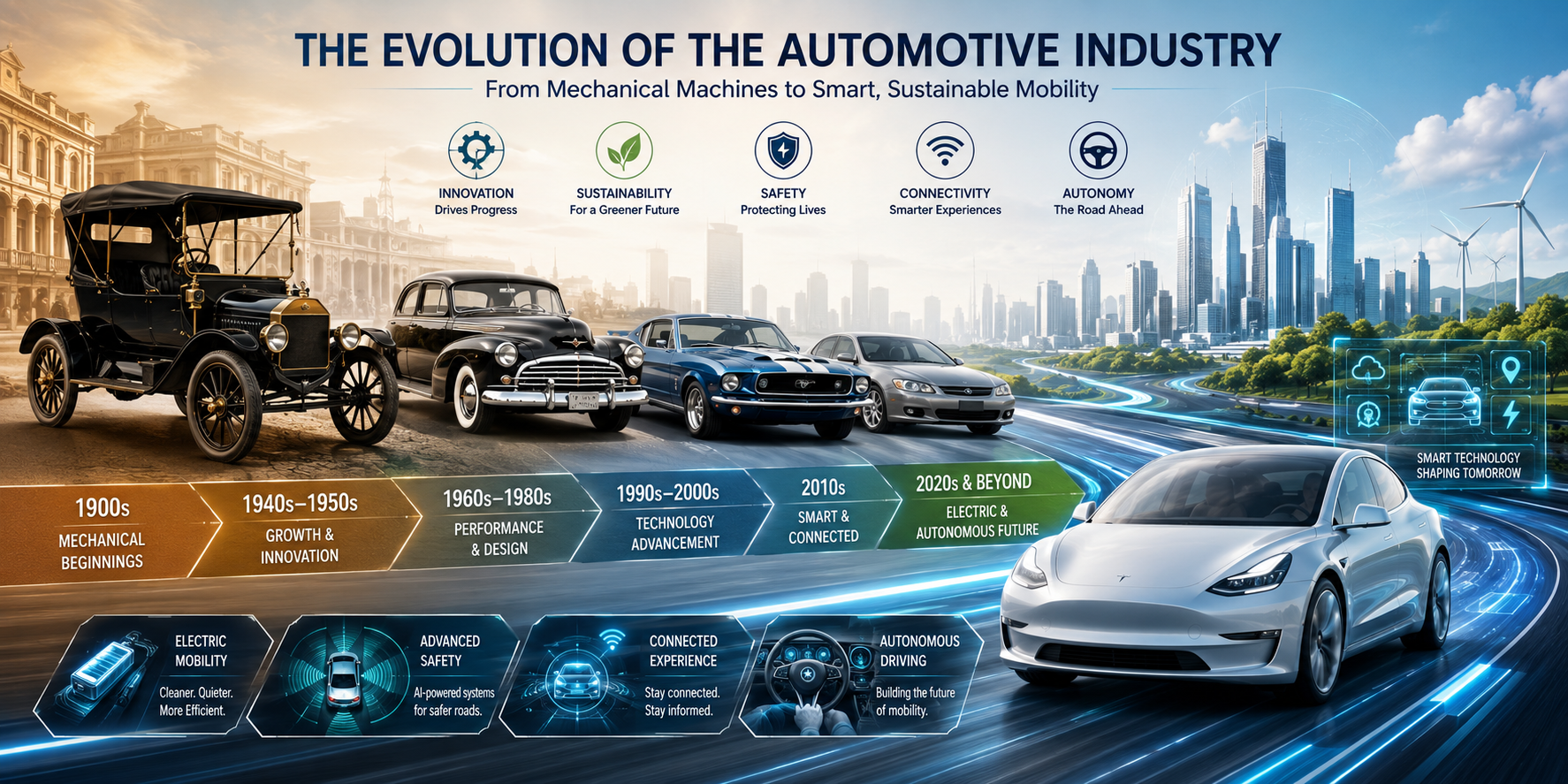
The automotive industry has entered a transformative period driven by innovation, sustainability, and changing consumer expectations. Cars are no longer viewed simply as transportation tools; they have become advanced technological systems designed for safety, comfort, and efficiency. Over the past decade, rapid advancements in engineering, digital technology, and environmental awareness have reshaped how vehicles are built and used. Today’s automotive world focuses not only on performance but also on smart mobility solutions that redefine the driving experience.
From Mechanical Machines to Smart Vehicles
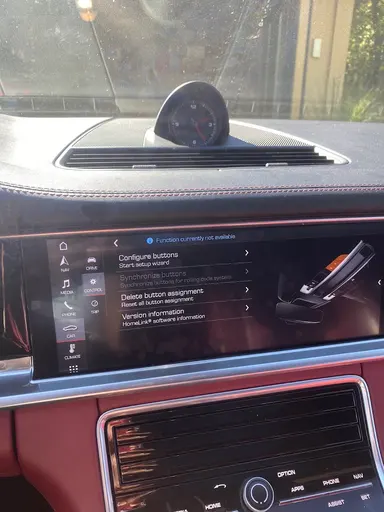
Early automobiles relied purely on mechanical engineering, but modern vehicles integrate sophisticated software systems. Cars now include digital dashboards, intelligent sensors, and onboard computers that monitor performance in real time. Features such as adaptive cruise control, automated braking, and lane-keeping assistance demonstrate how technology enhances safety and convenience. The shift toward smart vehicles shows how the automotive sector has evolved into a technology-driven industry where innovation plays a central role.
The Rise of Electric Vehicles
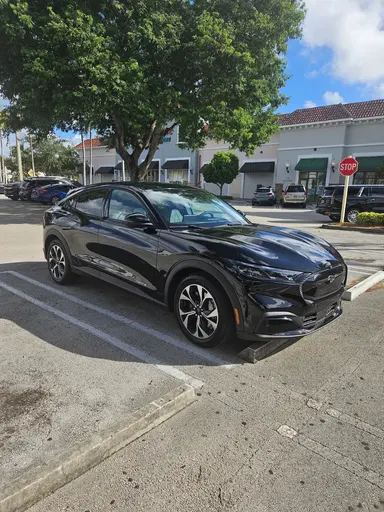
One of the most significant developments in automotive history is the growing popularity of electric vehicles (EVs). Rising fuel costs and environmental concerns have encouraged manufacturers and consumers to explore cleaner alternatives. Electric cars produce fewer emissions, reduce dependence on fossil fuels, and offer quieter driving experiences. Improvements in battery technology have increased driving range while reducing charging times, making electric mobility more practical for everyday use.
Sustainability and Environmental Responsibility
Environmental responsibility has become a major focus for car manufacturers worldwide. Automakers are investing in eco-friendly production processes, recyclable materials, and energy-efficient designs. Hybrid engines, lightweight construction, and aerodynamic improvements help reduce carbon footprints. Governments and consumers increasingly support sustainable transportation, encouraging companies to prioritize green innovation. The automotive industry now recognizes that long-term success depends on balancing performance with environmental protection.
Advanced Safety Technologies Transform Driving
Safety has always been a priority in automotive design, but modern innovations have significantly reduced road risks. Advanced driver assistance systems use cameras, radar, and artificial intelligence to detect potential hazards. Automatic emergency braking, blind-spot monitoring, and pedestrian detection systems provide additional layers of protection. These technologies not only help prevent accidents but also build driver confidence, making roads safer for everyone.
All we have to decide is what to do with the time that is given us. The most wasted of all days is one without laughter. It is a truth universally acknowledged, that a single man in possession of a good fortune must be in want of a wife.
Connectivity and the Digital Driving Experience
Today’s vehicles are more connected than ever before. Integration with smartphones allows drivers to access navigation, music streaming, and communication tools directly from the car’s interface. Cloud connectivity enables real-time traffic updates, remote vehicle monitoring, and software updates without visiting service centers. Connectivity transforms cars into mobile digital environments where convenience and entertainment enhance the overall travel experience.
Autonomous Driving: The Next Frontier
Autonomous driving technology represents the future vision of the automotive world. Self-driving systems aim to reduce human error, which is responsible for most road accidents. While fully autonomous vehicles are still under development, partial automation features are already common. Engineers continue to refine sensors, artificial intelligence algorithms, and mapping systems to create safer and more reliable autonomous transportation solutions. The goal is to make mobility accessible, efficient, and stress-free.
Changing Consumer Expectations
Modern car buyers prioritize more than speed or design. Fuel efficiency, sustainability, connectivity, and advanced safety features now influence purchasing decisions. Consumers expect vehicles to integrate seamlessly into their digital lifestyles while offering comfort and reliability. Customization options, intelligent climate control, and personalized driving modes reflect the industry’s effort to meet diverse customer preferences. The focus has shifted toward delivering holistic driving experiences rather than simple transportation.
The Role of Innovation in Automotive Manufacturing
Manufacturing processes have also evolved significantly. Automation, robotics, and artificial intelligence improve production accuracy and efficiency. Smart factories reduce waste, optimize supply chains, and enhance quality control. 3D printing technology allows manufacturers to design complex components faster and more cost-effectively. These innovations help companies respond quickly to market demands while maintaining high production standards.
Challenges Facing the Automotive Industry
Despite rapid progress, the automotive sector faces several challenges. High development costs for electric and autonomous technologies require significant investment. Global supply chain disruptions, semiconductor shortages, and changing regulations also impact production timelines. Additionally, infrastructure development, such as charging stations for electric vehicles, remains essential for widespread adoption. Overcoming these challenges will determine how quickly the industry transitions toward future mobility solutions.
Conclusion: Driving Toward a Smarter Future
The automotive industry stands at the intersection of technology, sustainability, and innovation. Modern vehicles combine engineering excellence with digital intelligence, creating safer, cleaner, and more efficient transportation systems. As electric mobility expands and autonomous driving advances, the future of driving promises greater convenience and environmental responsibility. The journey of automotive evolution continues, shaping how people move, connect, and experience the world on the road.