















In this article

A roadside breakdown can turn a routine drive into an expensive and stressful interruption. The car you choose, the coverage you buy, and the supplies you keep on hand all affect how well you handle that interruption. Knowing the basics of roadside emergency safety before buying your next vehicle can help you assess ownership costs beyond the monthly payment.
Roadside readiness also deserves a place in your test-drive and purchase process. A vehicle's tire setup, onboard technology, and maintenance history can determine whether a minor problem takes 20 minutes to resolve or leaves you waiting for professional help.
Beyond the Showroom Floor
Purchase price tells only part of a vehicle's financial story. Insurance, routine maintenance, expected repairs, and roadside coverage contribute to what you'll spend over several years. That whole figure is what total cost of ownership sets out to capture.
Start by checking the vehicle's roadside features. Does it have a spare tire, a temporary tire, or only an inflator kit? Many newer cars omit a traditional spare to reduce weight and create more storage space. That setup may work for a small puncture, but it offers little help when a tire has sidewall damage or separates from the wheel.
Review the owner's manual before buying, especially if the model uses unfamiliar technology. Find out how to shift the vehicle into neutral if the battery fails, where its approved recovery points are located, and how the electronic parking brake works without normal power. Electric and hybrid vehicles can have model-specific transport procedures that roadside professionals need to follow.
Check the vehicle identification number for open vehicle safety recalls, too. An unresolved issue involving electrical components, steering, or fuel delivery could increase the chance of an unexpected stop. Recall repairs are generally completed by authorized dealers at no charge, but you'll need to schedule the work.
Common Roadside Surprises
A flat tire remains one of the most familiar roadside problems, yet modern vehicle design can make it harder to solve without assistance. Large wheels are heavy, lug nuts may be overtightened, and some vehicles lack the equipment needed for a roadside tire change. Before leaving the dealership, confirm exactly what tire equipment comes with the car and where it's stored.
Battery trouble is another common source of disruption. A conventional 12-volt battery may show few obvious symptoms before it stops working, particularly during very hot or cold weather. Slow starting, flickering interior lights, and repeated warnings can signal that the battery needs testing. Even electric vehicles depend on a low-voltage battery for locks, controls, and startup functions.
Drivers may also encounter overheating, warning lights, lost keys, or damage from road debris. Treat a red temperature or oil-pressure warning as a reason to stop as soon as you can safely do so. Continuing to drive can turn a manageable repair into serious engine damage.
If the car starts behaving abnormally, reduce speed smoothly and move toward a safe location away from moving traffic. Turn on the hazard lights and avoid sudden lane changes. Once stopped, note your location using an exit number, street address, or map pin. Clear location information helps a service provider find you faster, especially on a divided highway or in a large parking complex.
Planning for the Unexpected
Review roadside assistance options before you need them. Coverage may come from the vehicle manufacturer, an insurance policy, a membership program, or a credit card benefit. Read the terms carefully because towing distance, service limits, and covered incidents vary. A plan that covers five miles may not be enough if your preferred repair shop is across town.
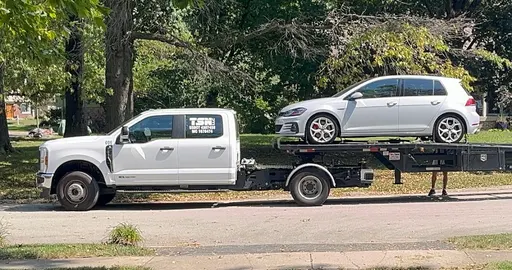
Save contact information for help directly in your phone and keep a written copy in the car. Drivers can include reliable towing services in that plan for breakdowns, accidents, and other roadside emergencies. Local service information is especially useful when you regularly commute through the same area.
Your plan should also account for passengers. If you drive with children, older adults, or pets, think through how you'll keep everyone safe during a long wait. Store seasonal supplies such as extra water during warm months and blankets during cold months. Tell a trusted person your route when taking a long trip through an area with limited cellular coverage.
Before accepting help, ask where the vehicle will be taken and request an estimated arrival time. Confirm any service fee that your coverage won't pay. If the car was involved in a collision, take photos from a safe location and contact your insurer when circumstances permit. Don't stand between vehicles or close to traffic while inspecting damage.
Emergency Kit Essentials
A useful car emergency kit addresses visibility, communication, minor medical needs, and short delays. Keep the kit in a secure container that won't slide around the cargo area. At a minimum, consider including:
- A bright flashlight with spare batteries
- Reflective triangles or an LED warning beacon
- A phone charging cable and charged power bank
- A basic first-aid kit
- Bottled water and shelf-stable snacks
- Work gloves and a rain poncho
- A tire-pressure gauge
- A blanket or compact thermal cover
- Paper copies of emergency contacts
- A small notepad and pen
Equipment only helps when it works. Inspect the kit every six months, replace expired food and medical supplies, and recharge the power bank. Check flashlight batteries for corrosion and confirm that seasonal clothing still fits the people who usually ride in the car.
Keep important vehicle information accessible without leaving sensitive paperwork in plain view. A digital copy of the owner's manual can help you interpret warning lights, while insurance details and roadside membership information should be easy to find. If your vehicle includes a tire inflator or sealant canister, check its expiration date and learn how to use it at home. The side of a busy road is a poor place to read those instructions for the first time.
The Value of Quick Response
Fast action limits risk during a roadside emergency, but the safest response depends on your surroundings. If the vehicle still moves normally, aim for a parking lot, rest area, or wide shoulder. A few extra seconds spent reaching a safer stopping point can create more distance between you and passing traffic. If smoke, unusual odors, or severe mechanical noises appear, stop as soon as conditions allow and move passengers to a protected location.
Stay inside with your seat belt fastened when the vehicle is well off the travel lane, and there's no immediate danger. In some situations, such as a car stopped in an exposed traffic lane, remaining inside may be unsafe. Use your judgment, follow instructions from emergency personnel, and move behind a barrier if you can reach one without crossing active lanes.
Accurate details speed up assistance. Give the dispatcher your vehicle's make, model, and color along with its exact location and the symptoms you noticed. Mention low-clearance bodywork, all-wheel drive, or an electric powertrain because those details may affect the equipment sent.
Your next car should support this plan through dependable maintenance, suitable roadside coverage, and equipment you understand. Before the first long drive, locate the hazard-light control, check the tire supplies, and save the numbers you'd call if the car stopped. Those details are easiest to learn in your driveway and hardest to figure out beside a busy road.