

















In this article
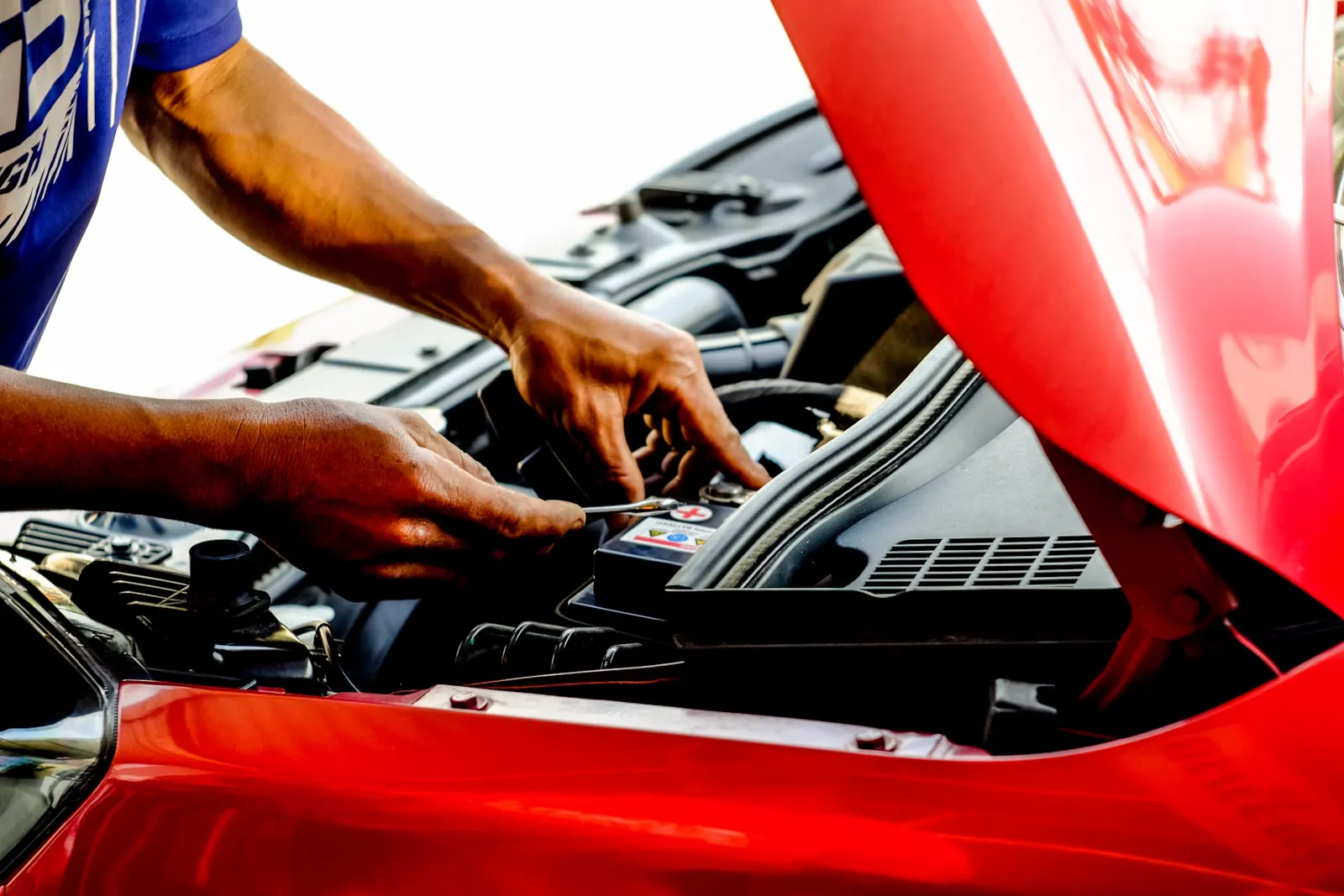
Image Credit: Unsplash
A mechanical inspection can turn vague concerns about a used car into specific facts that affect its price. Instead of relying on appearance, mileage and a short drive, you gain a clearer view of the vehicle's condition and likely repair costs.
That information strengthens your position at the dealership. You can ask for repairs, negotiate a lower price or leave before an expensive problem becomes yours. The key is arranging the right inspection and using the findings calmly, with written evidence to support your request.
The Real Cost of Buying Blind
A clean interior and polished exterior reveal little about leaks, worn suspension parts or stored diagnostic codes. A detailed pre-purchase inspection guide explains the systems that deserve attention before money changes hands.
Hidden problems can quickly erase what looked like a good deal. Suppose you pay $18,000 for a car and discover a week later that it needs $1,400 in cooling-system work and $900 in suspension repairs. Your real cost has jumped to $20,300 before registration, taxes and routine maintenance. An inspection fee gives you the chance to identify those expenses while the seller still owns the car.
What Basic Test Drives Miss
A 15-minute test drive may reveal pulling, vibration or unusual noises, but many defects only appear on a lift or through electronic testing. Warning lights can also be cleared shortly before a sale, leaving stored or pending codes that a scan tool may uncover.
Arrange an independent evaluation with a qualified repair shop. Greater DFW vehicle owners can review the diagnostic, brake, suspension and electrical services described at chandlerallenautomotive.com when deciding what kind of professional assessment their vehicle needs. Ask the technician to check for fluid leaks, uneven tire wear, corrosion, evidence of prior repairs and signs that maintenance has been delayed. Our own pre-purchase inspections are arranged the same way, in the buyer's name rather than the seller's.
Leverage Diagnostics at the Dealership
Request permission for an independent inspection before discussing your final offer. If the dealership refuses without a practical reason, treat that response as useful information. A seller confident in the car's condition should usually be willing to allow a reasonable inspection.
Bring the written report back to the salesperson and focus on verified defects. Statements such as "the car feels rough" are easy to dismiss, while a diagnostic code and technician's notes are harder to ignore. This approach works well alongside the broader tactics covered in this guide to using a car negotiation service. Discuss the vehicle's condition before financing, trade-in value or monthly payments complicate the numbers.
Turning Repair Estimates Into Discounts
Ask the inspecting shop to separate urgent repairs from maintenance that can wait. Then obtain written estimates for the urgent items, including parts, labor and applicable fees. A report showing $1,800 in necessary work gives you a concrete basis for requesting a comparable price reduction.
Present the estimate without exaggerating. You might say, "The inspection identified a leaking water pump and worn front control arm bushings. The quoted repair total is $1,750, so I'm prepared to buy at a price reduced by that amount." The hidden costs of buying blind can extend beyond immediate repairs, so leave room in your budget for tires, fluids and scheduled service.
Walk Away When Red Flags Appear
Some inspection results support negotiation. Others signal that the safest financial decision is to leave. Structural damage, recurring overheating, major fluid contamination or several incomplete repairs can point to risks that no modest discount will cover.
Also pay attention to the seller's behavior. Missing records alone may have an innocent explanation, but inconsistent answers, pressure to skip an inspection or attempts to minimize documented faults should slow the transaction down. Don't let a deposit or hours spent shopping trap you in a bad purchase. Set your maximum acceptable repair exposure before negotiations begin and keep to it. If the numbers no longer work, thank the seller and keep the inspection report for your records.